


Njonjela Accommodation
Showing 1 - 1 of 1 results
From
R 1,989
Per unit per night in May
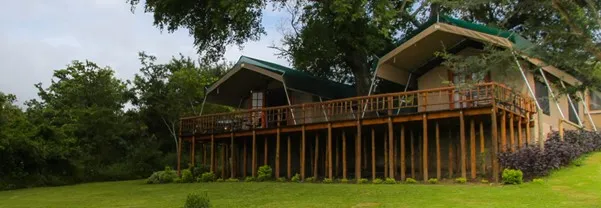
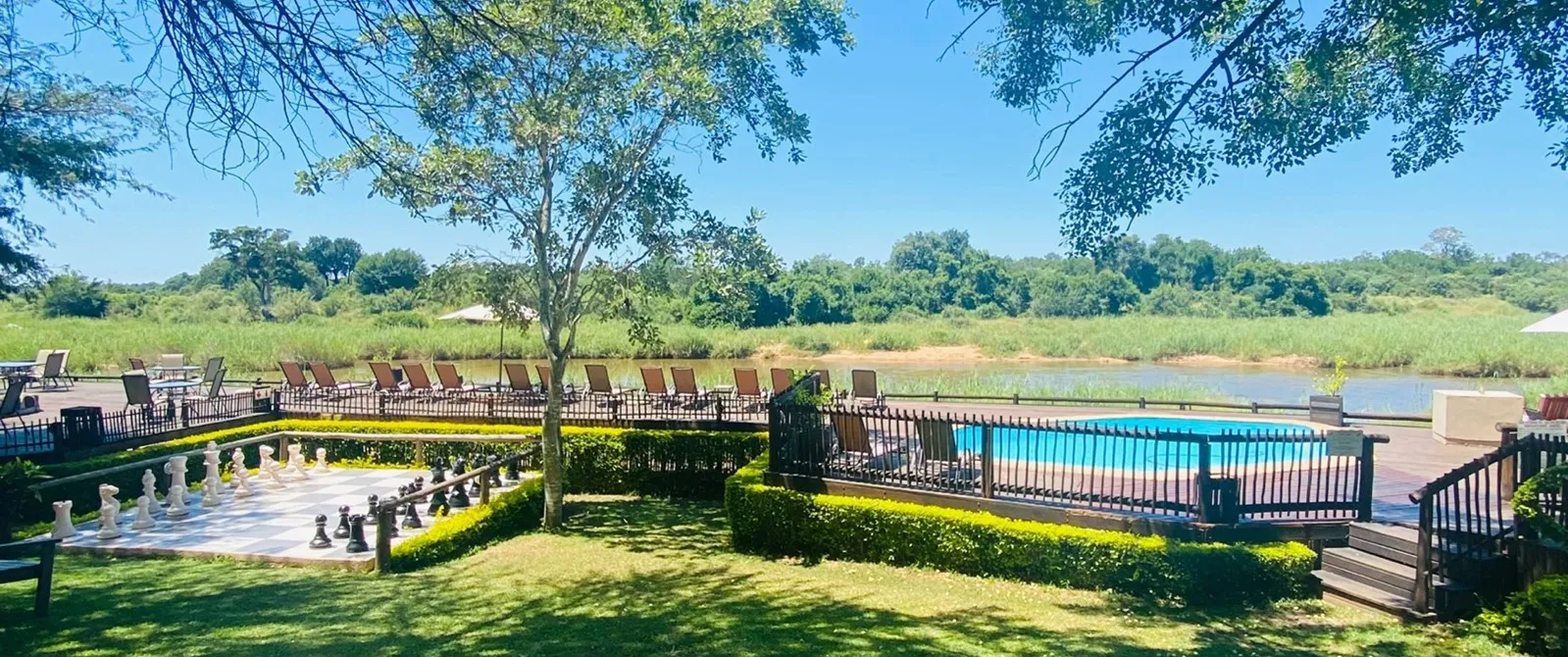
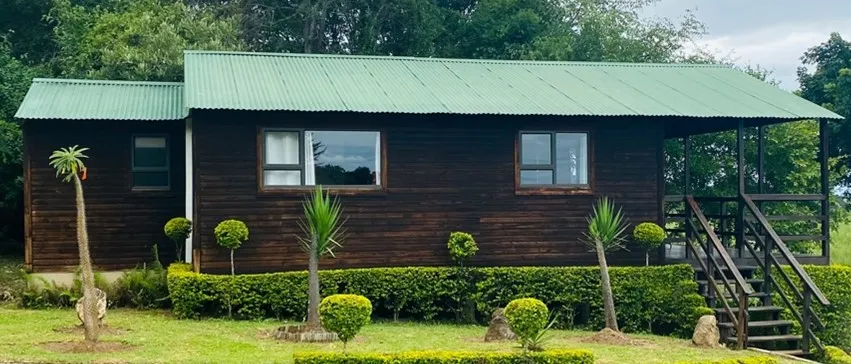
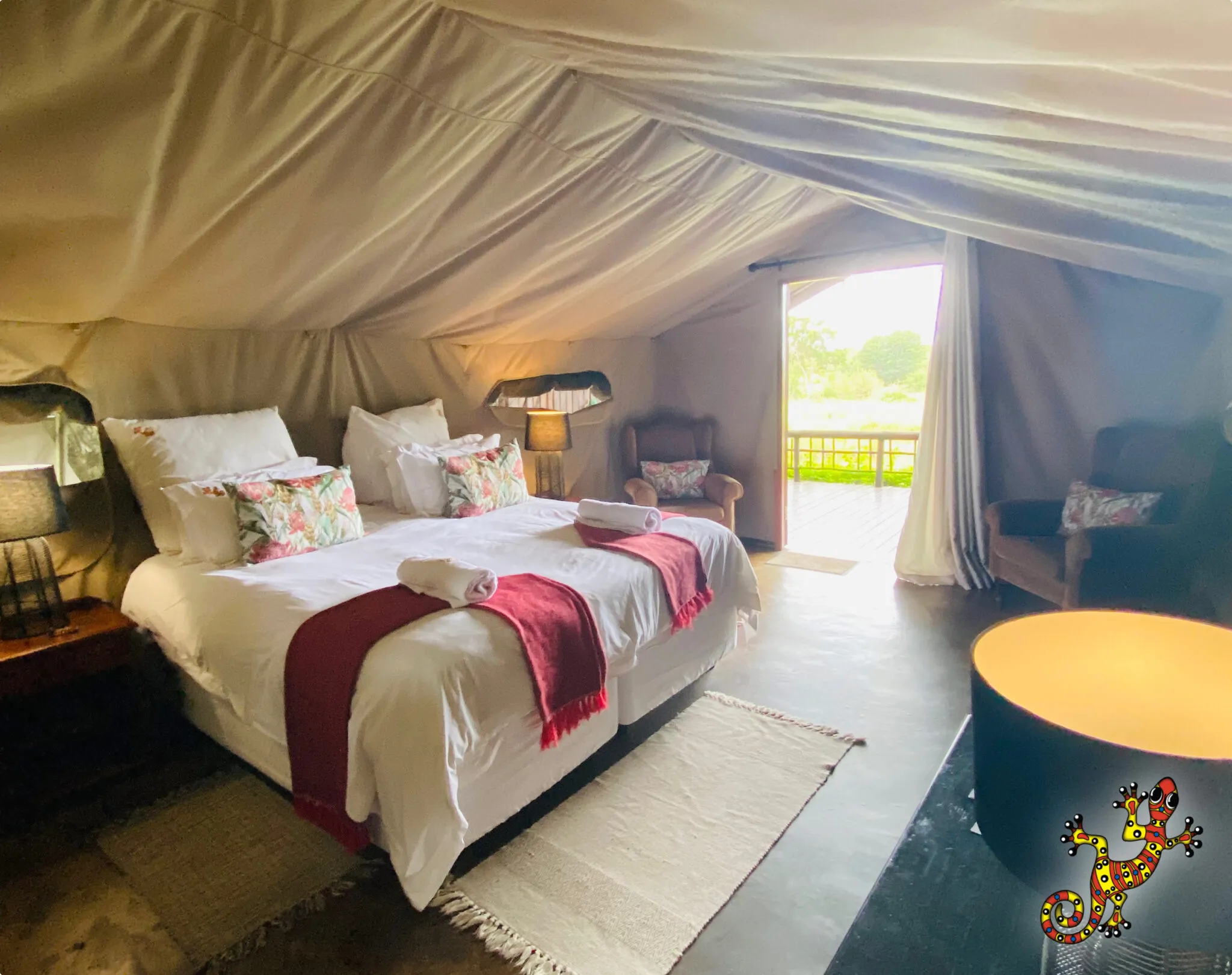
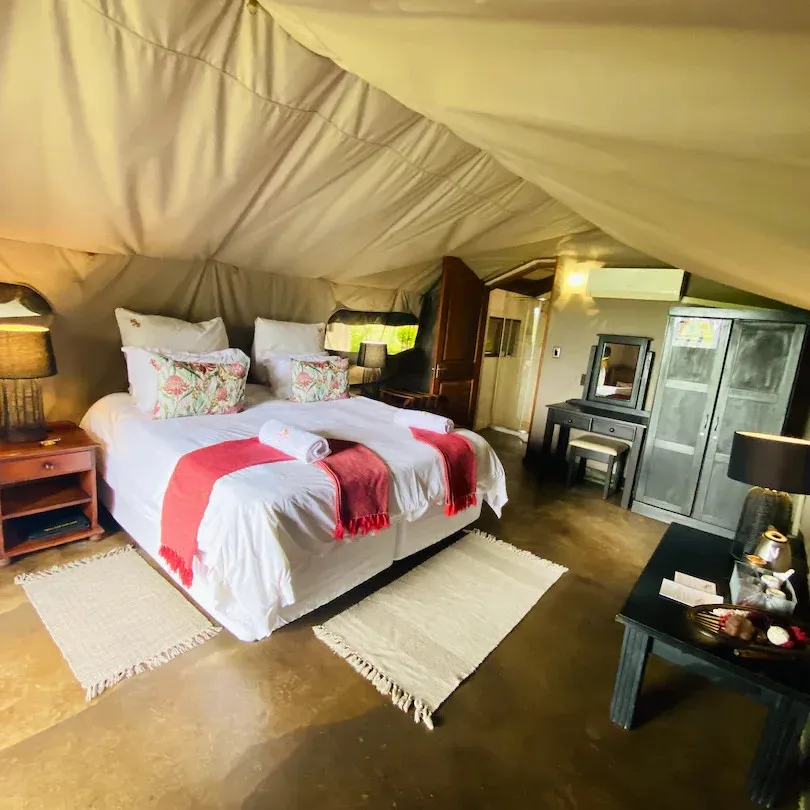
Accommodation on the banks of the Sabie River overlooking Kruger National Park offers 3 luxury en-suite river facing rooms, 8 luxury en-suite rooms, 2 luxury river frontage bush tents en-suite, 3 luxury self-catering bush tents, and 2 luxury river frontage log cabins en-suite.
Restaurant
Balcony
Sabie River Bush Lodge
Lodge
6km from Sabi Sand Game Reserve
From
R 1,989
Per unit per night in May
Restaurant
Balcony
About Njonjela
Njonjela is a small rural settlement in the Greater Giyani area of Limpopo Province, positioned in the lowveld region east of the Kruger National Park. The area serves as a gateway to exploring the Tsonga cultural heartland and offers access to nearby nature reserves and traditional villages.
Njonjela sits in the eastern reaches of Limpopo, approximately 80 kilometres from Phalaborwa and roughly 500 kilometres northeast of Johannesburg. The settlement forms part of the Greater Giyani Municipality, an area predominantly inhabited by the Tsonga people. The landscape here is characteristic of the lowveld, with scattered acacia trees, seasonal rivers, and warm temperatures year-round.
The town of Giyani, about 30 kilometres to the west, serves as the main service centre for the region and provides access to shops, fuel stations, and other amenities. Visitors staying in the area often use it as a base for exploring the cultural sites and natural attractions of the eastern lowveld. The region has strong agricultural ties, with many local communities engaged in farming activities suited to the semi-arid climate.
Access to the southern sections of Kruger National Park is possible from this area, with the Phalaborwa Gate being the closest entry point. The Letaba River, which flows through parts of the region during the rainy season, supports diverse birdlife and small game. Those seeking Njonjela accommodation will find themselves in an area where traditional rural life continues much as it has for generations, with opportunities to learn about Tsonga customs, language, and daily practices.
The climate is hot and dry for much of the year, with summer rainfall between November and March. Temperatures can exceed 35 degrees Celsius during summer months, while winter days are warm and nights mild. The area experiences its greenest period after the summer rains when the landscape transforms temporarily.
Visitors to this part of Limpopo should be prepared for basic facilities and limited tourist infrastructure compared to more developed regions. The appeal lies in experiencing authentic rural South Africa, interacting with local communities, and exploring an area that sees relatively few international tourists. The nearest major airport is at Phalaborwa, with larger international connections available through Polokwane or Johannesburg.
Njonjela sits in the eastern reaches of Limpopo, approximately 80 kilometres from Phalaborwa and roughly 500 kilometres northeast of Johannesburg. The settlement forms part of the Greater Giyani Municipality, an area predominantly inhabited by the Tsonga people. The landscape here is characteristic of the lowveld, with scattered acacia trees, seasonal rivers, and warm temperatures year-round.
The town of Giyani, about 30 kilometres to the west, serves as the main service centre for the region and provides access to shops, fuel stations, and other amenities. Visitors staying in the area often use it as a base for exploring the cultural sites and natural attractions of the eastern lowveld. The region has strong agricultural ties, with many local communities engaged in farming activities suited to the semi-arid climate.
Access to the southern sections of Kruger National Park is possible from this area, with the Phalaborwa Gate being the closest entry point. The Letaba River, which flows through parts of the region during the rainy season, supports diverse birdlife and small game. Those seeking Njonjela accommodation will find themselves in an area where traditional rural life continues much as it has for generations, with opportunities to learn about Tsonga customs, language, and daily practices.
The climate is hot and dry for much of the year, with summer rainfall between November and March. Temperatures can exceed 35 degrees Celsius during summer months, while winter days are warm and nights mild. The area experiences its greenest period after the summer rains when the landscape transforms temporarily.
Visitors to this part of Limpopo should be prepared for basic facilities and limited tourist infrastructure compared to more developed regions. The appeal lies in experiencing authentic rural South Africa, interacting with local communities, and exploring an area that sees relatively few international tourists. The nearest major airport is at Phalaborwa, with larger international connections available through Polokwane or Johannesburg.