


Saint Helena Bay Accommodation
Filter by type of accommodation
Discover 7 accommodation options in Saint Helena Bay with an average price of R1,337 per night for your perfect getaway. Whether you're looking for luxury hotels, cozy guesthouses, self-catering apartments, or budget-friendly B&Bs, Saint Helena Bay offers diverse lodging choices to suit every traveler's needs and budget.
Planning your Saint Helena Bay adventure? With prices averaging around R1,337 per night, you can find accommodation near popular attractions, business centers, and transport hubs. Book your ideal Saint Helena Bay stay today and experience the best of what this destination has to offer.
Shelley Point


Nestled in Shelley Point, just 90 minutes from Cape Town, this idyllic accommodation offers private beaches and unspoilt wildlife, perfect for a serene getaway. With ocean views, a braai patio, and easy beach access, it's a holiday seeker's dream.
Goblin's Creek
R 1,208
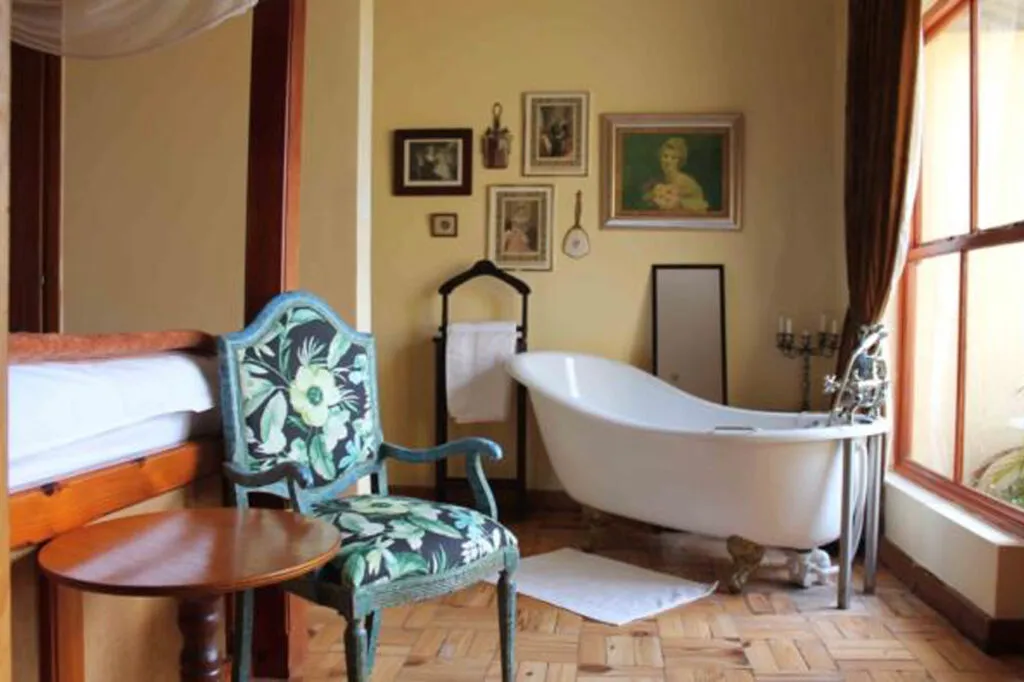
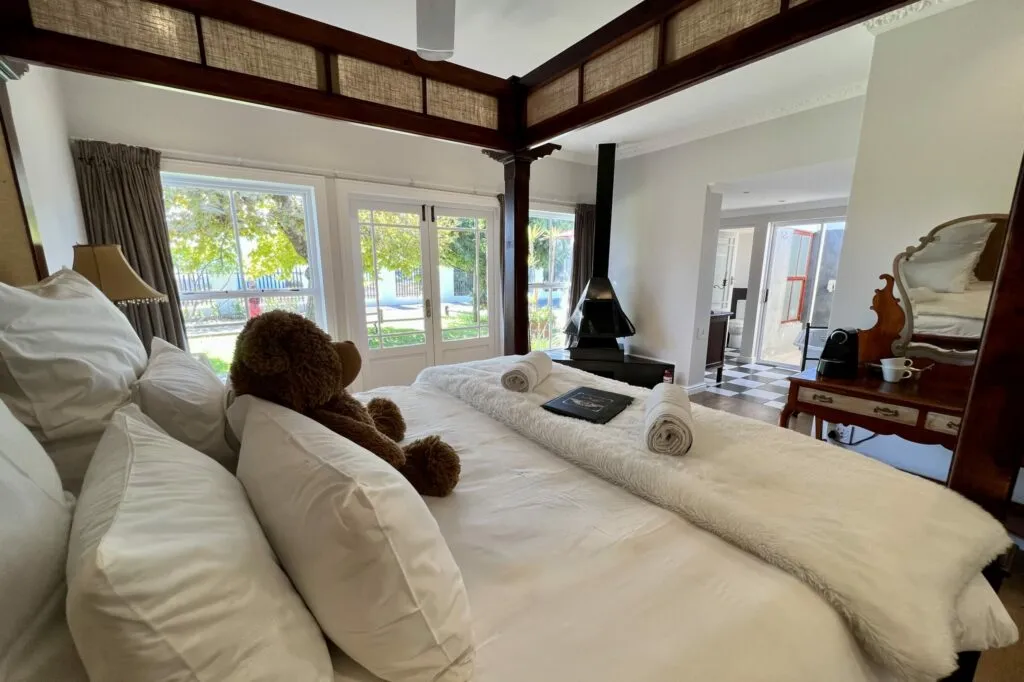
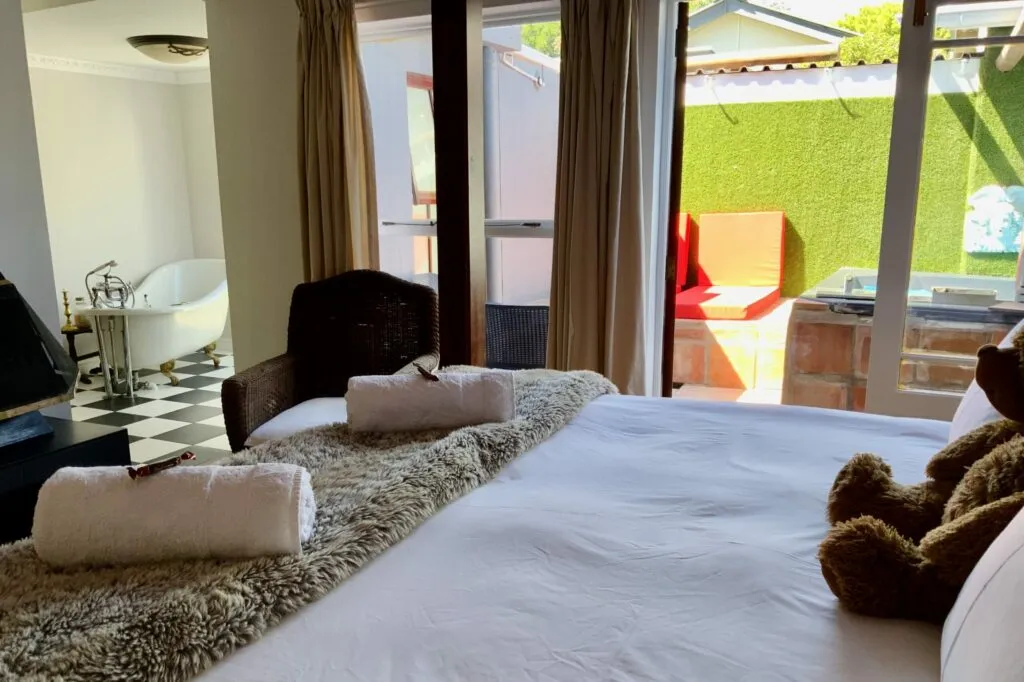
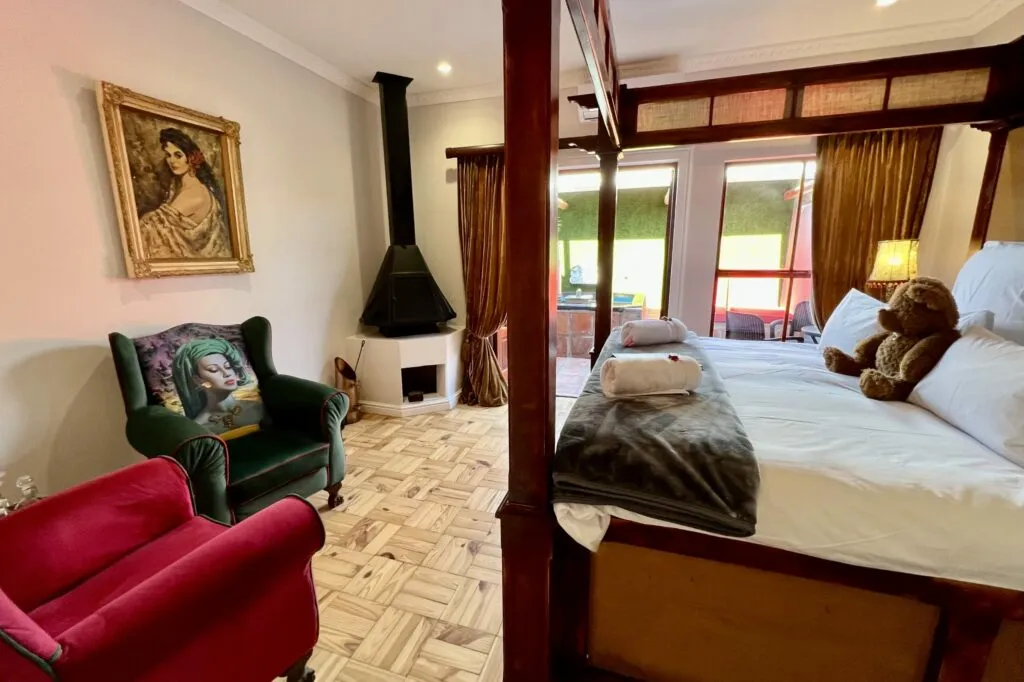
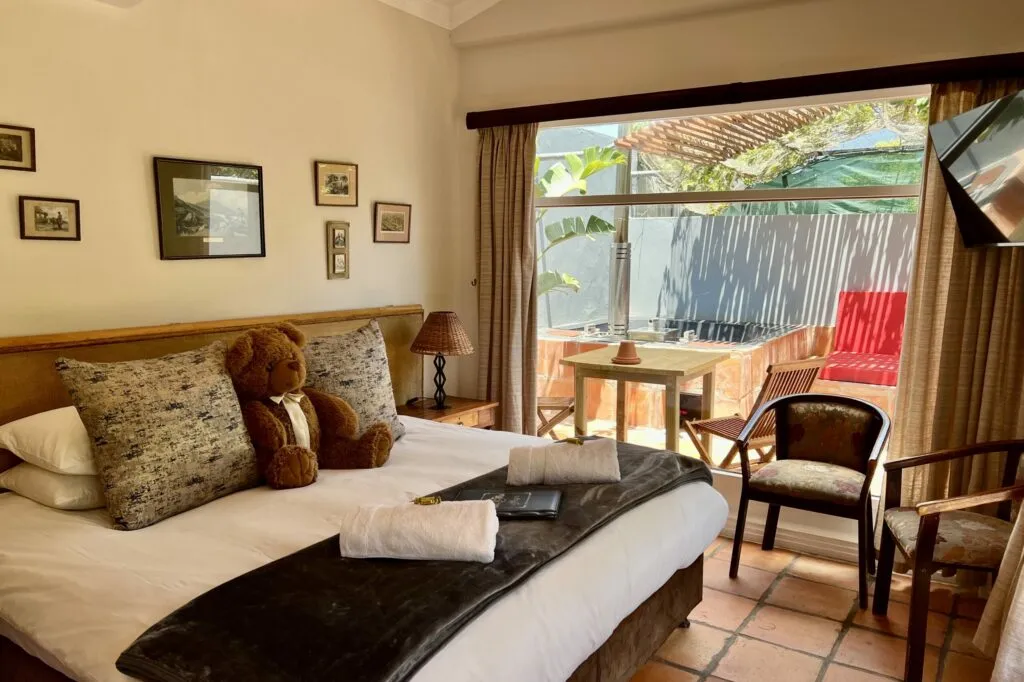
Goblin's Creek accommodation in Stompneusbaai offers 4 bedrooms with log fireplaces and 2 garden rooms with TVs and showers. Features 5 private wood fired hot tubs, inverter battery backup system, swimming pool, and proximity to Stompneus Bay beach.
St Helena Bay Hotel
R 1,100
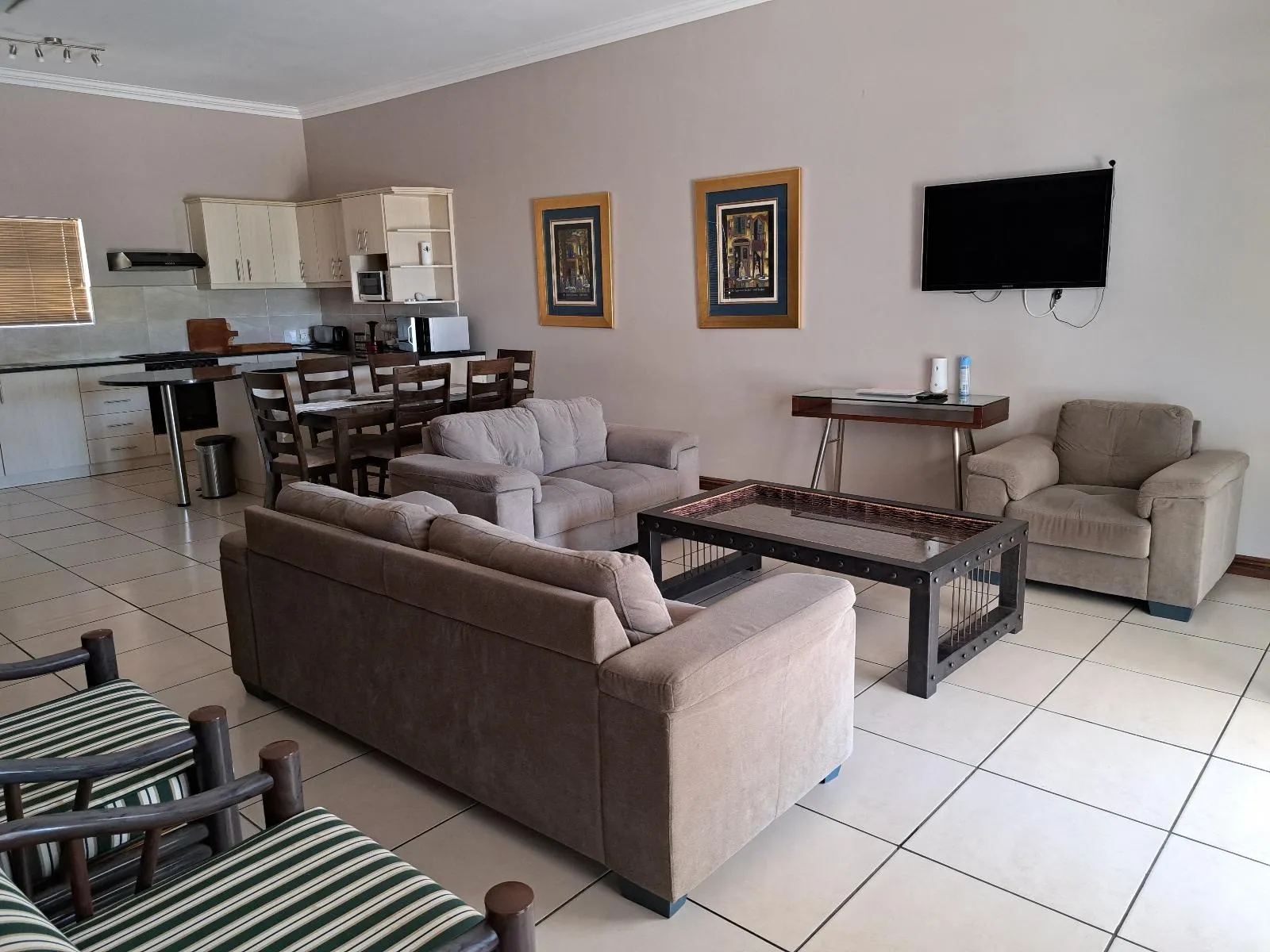
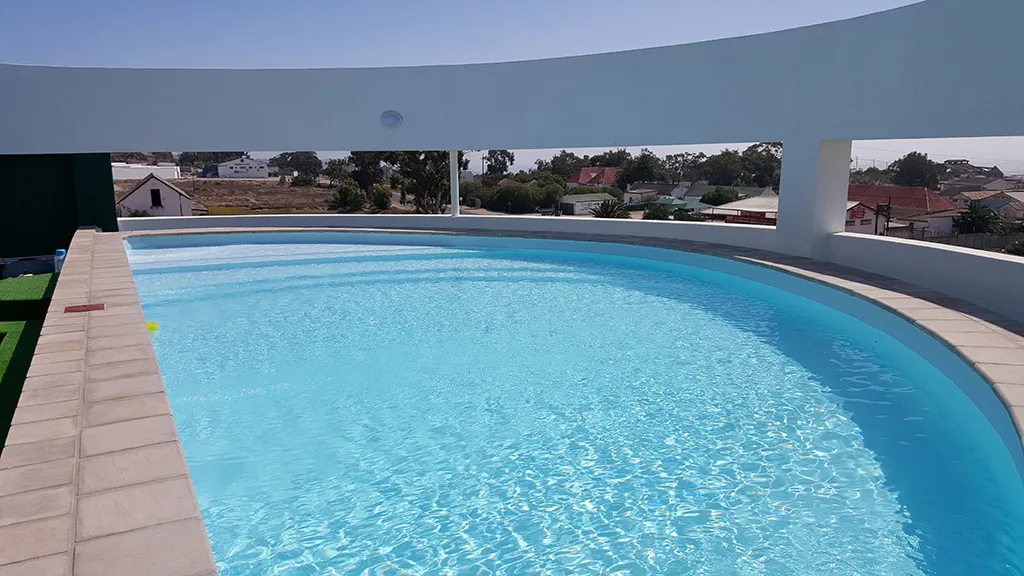
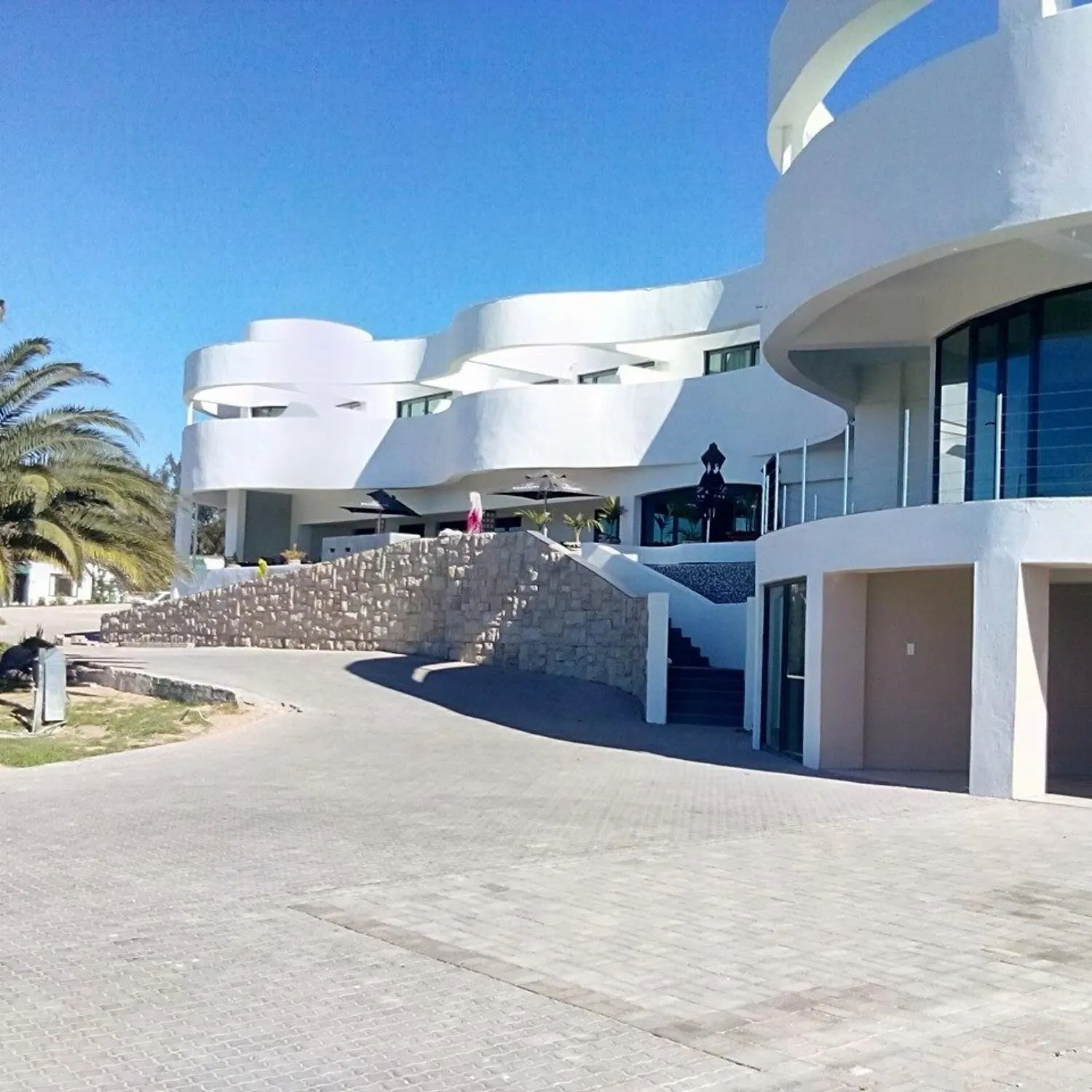
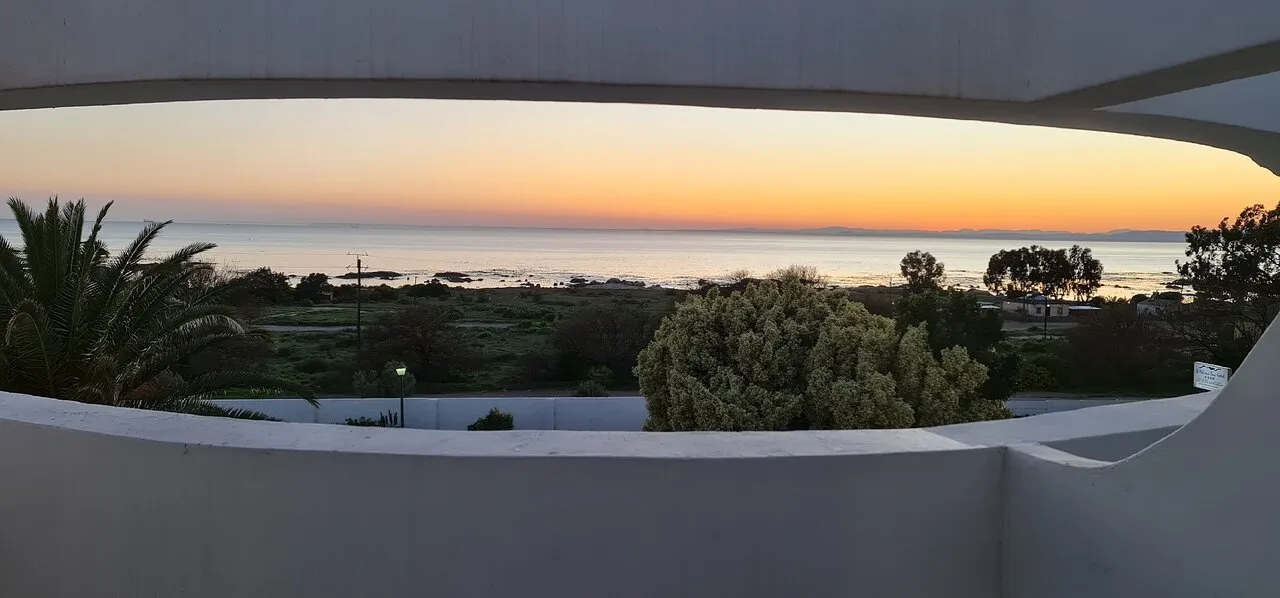
St Helena Bay Hotel is a West Coast accommodation option roughly two hours from Cape Town. Set in a working fishing village, the hotel has sea-view and non-sea-view rooms alongside self-catering chalets, with a rooftop pool and enclosed braai area.
St Helena Bay Hotel
R 1,100
Paternoster Self-Catering Accommodations
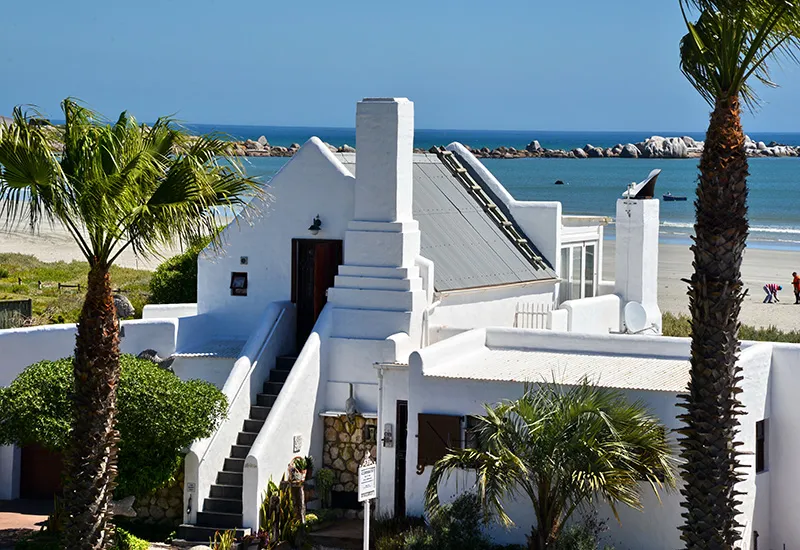
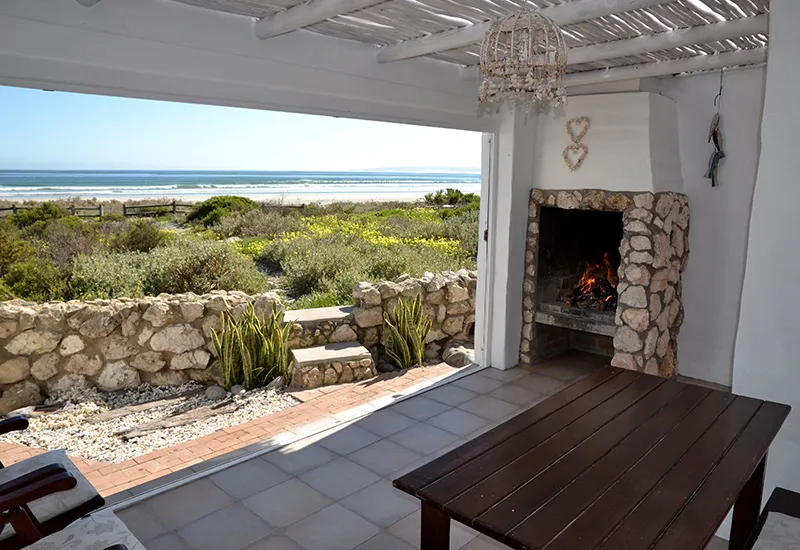
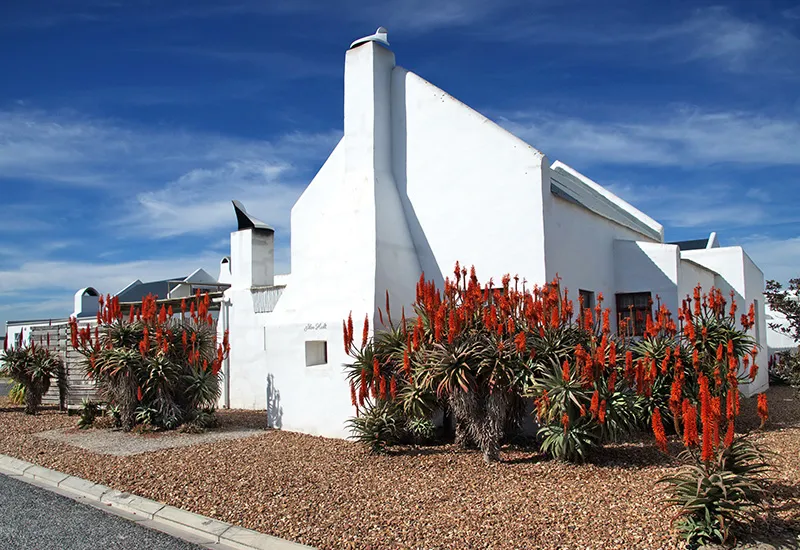
Three self-catering cottages and a lofted apartment in Paternoster, a fishing village on the West Coast, 145 km north of Cape Town and 15 km north-west of Vredenburg.
Blikkie Pizzeria
Travelers exploring Paternoster uncover Blikkie Pizzeria, the West Coast's pizza haven with stunning beach views and mouthwatering slices—founded in 2010 for top-notch flavors. After dining, seek nearby accommodation for a seamless holiday adventure! Contact them for take-away thrills.

R 3,040
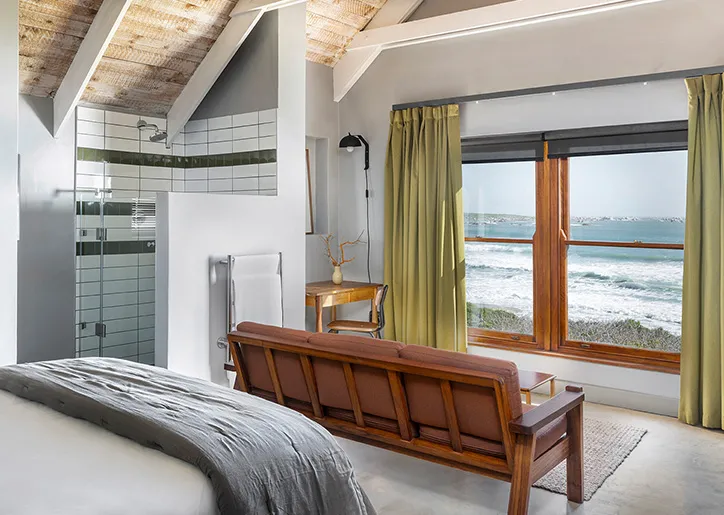
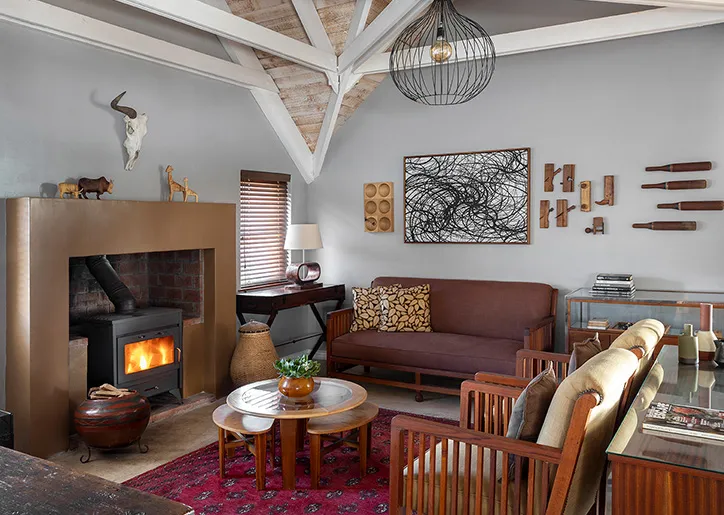
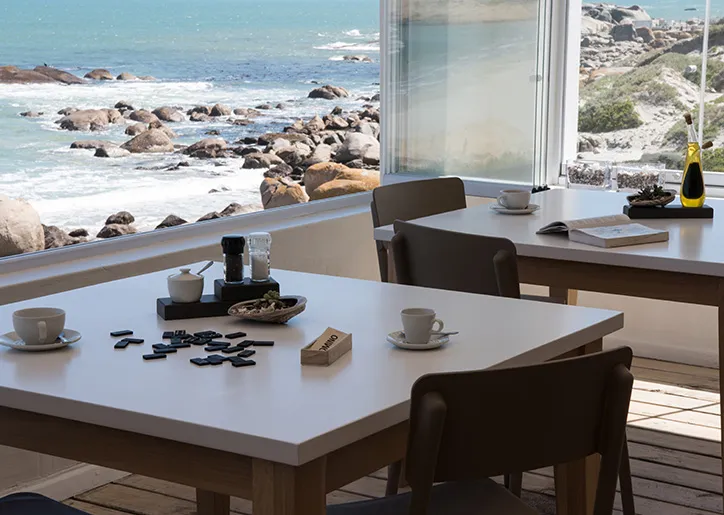
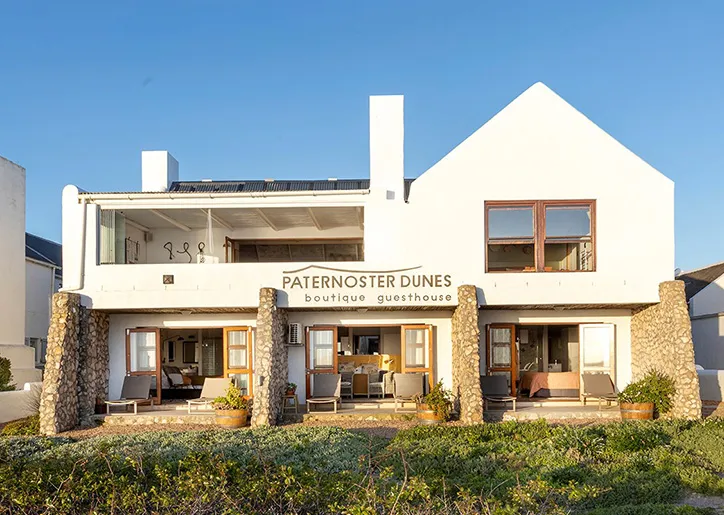
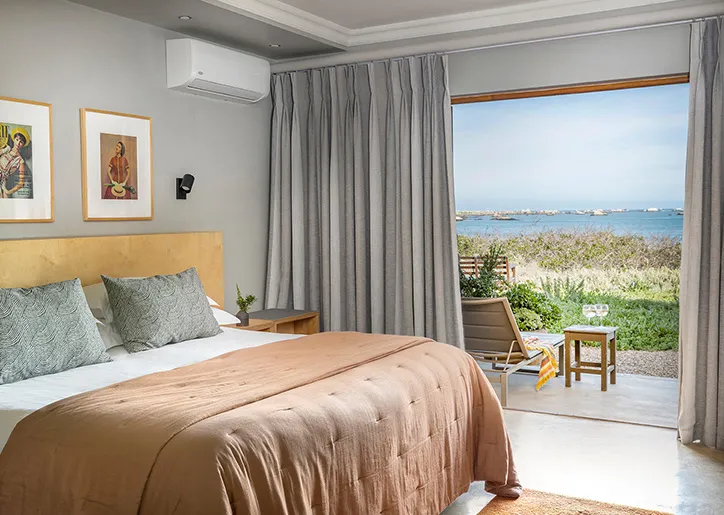
Paternoster Dunes Boutique Guesthouse is a bed and breakfast accommodation in Paternoster, a traditional South African fishing village 150 kilometres from Cape Town, with private access to Bek Bay Beach and unbroken Atlantic Ocean views.
R 2,650
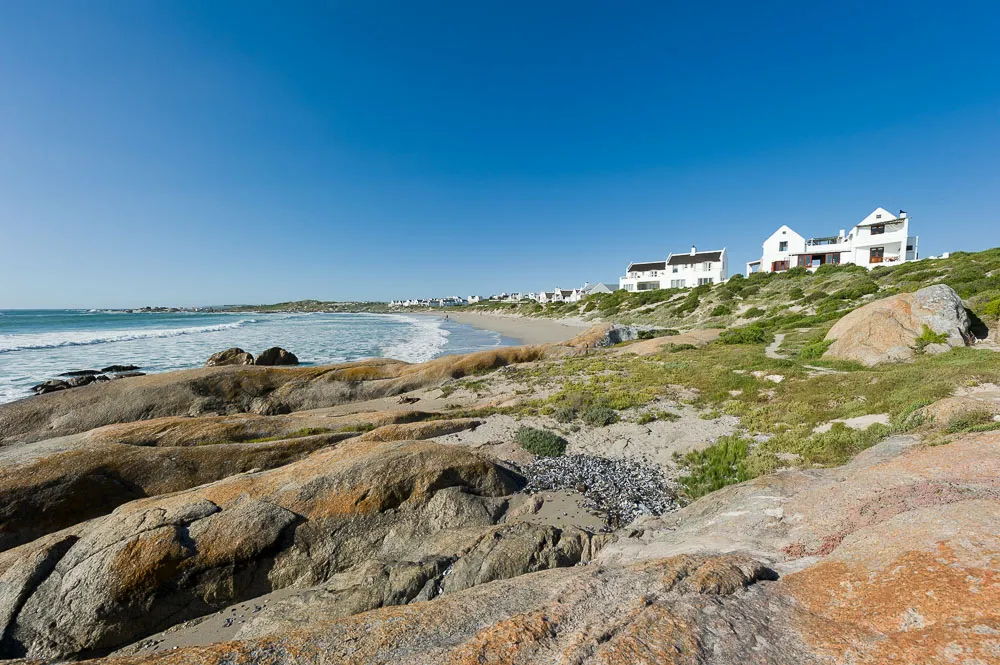
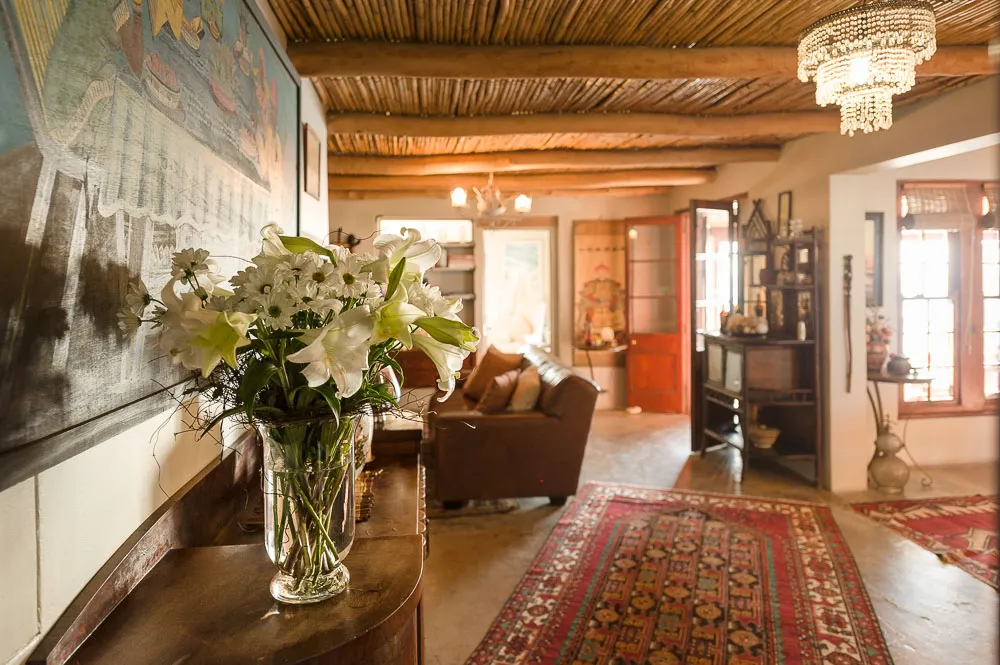
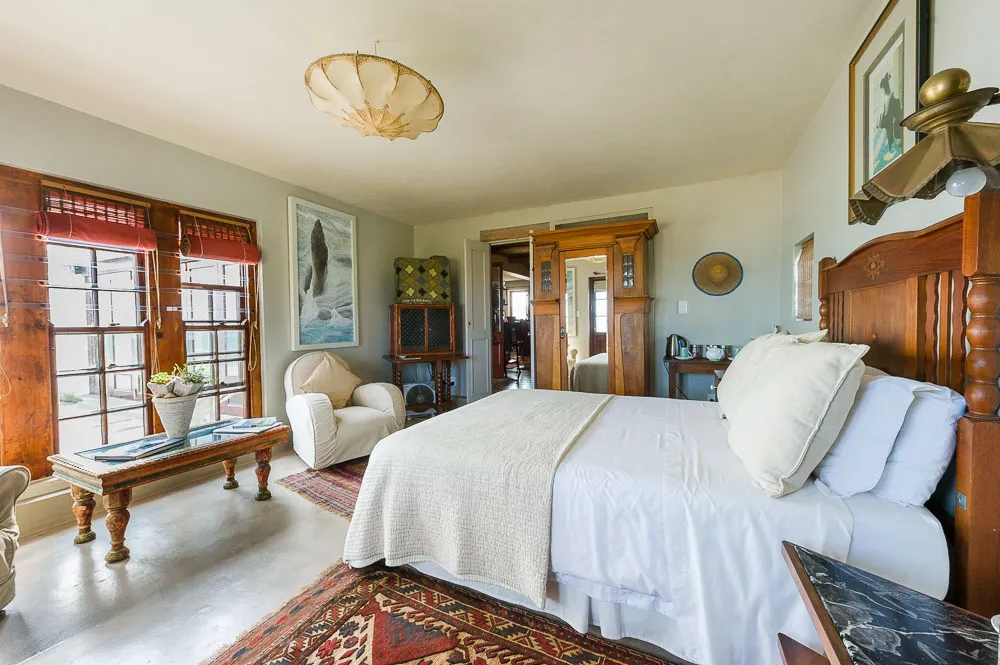

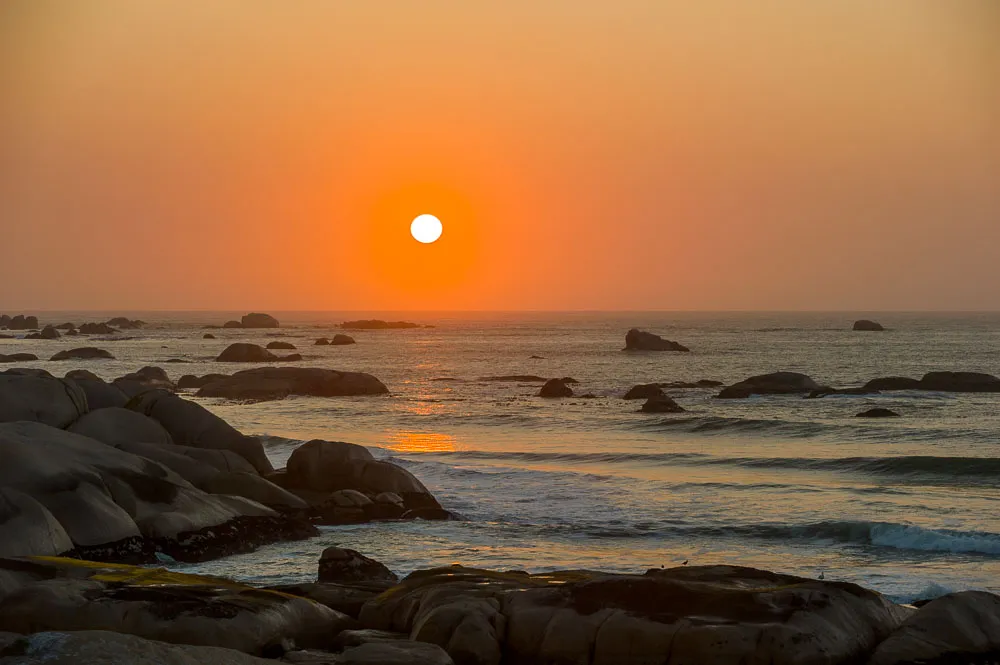
Oystercatchers' Haven is a 4-star guesthouse in Paternoster, 40 meters from the shoreline. This accommodation offers four sea-facing rooms with Atlantic Ocean views, a distinctive interior design, and proximity to the village's restaurants, art galleries, and curio shops.
About Saint Helena Bay
Saint Helena Bay sits along the West Coast of the Western Cape, roughly 150 kilometres north of Cape Town. The bay itself is one of the largest on the South African coastline, and the surrounding area includes several small towns and fishing communities, most notably Velddrif, Laaiplek, and the village of St Helena Bay itself. The region is part of the broader West Coast District, where the cold Benguela Current drives exceptional marine life and supports one of the country's most productive fishing grounds.
The bay has a long connection to maritime history. Portuguese explorer Vasco da Gama anchored here in 1497, and the bay was named in his honour. That history sits quietly in the background of what is today a working coastal community, where fishing boats head out early and the smell of the sea is a constant presence. The town is not a resort destination in the conventional sense, which is part of its appeal to visitors looking for something low-key.
Whale watching is a genuine draw between June and December, when southern right whales move into the sheltered waters of the bay to calve. Dolphins are common year-round, and the area is popular with birdwatchers, particularly those interested in seabirds and the species that gather around the river mouth at Velddrif, where the Berg River meets the sea. The Langebaan Lagoon and West Coast National Park are within an hour's drive, giving visitors easy access to more formal conservation areas.
For those searching for Saint Helena Bay accommodation, the options tend toward self-catering cottages, guesthouses, and small holiday homes rather than large hotels. This suits the character of the place. Stays here are typically quiet, centred around beach walks, fishing, and watching the light change over the water in the late afternoon.
The West Coast as a whole has a distinct seasonal rhythm. Spring brings wildflowers to the surrounding fynbos and Namaqualand regions, and the annual West Coast wildflower season draws visitors from across the country between August and October. Temperatures along the coast remain moderate through summer, though the south-easterly wind can be strong. Winters are mild and often clear, which is when the whale activity peaks and the crowds are thinnest.