


Jacobs Bay Accommodation
Filter by type of accommodation
Discover 2 accommodation options in Jacobs Bay with an average price of R990 per night for your perfect getaway. Whether you're looking for luxury hotels, cozy guesthouses, self-catering apartments, or budget-friendly B&Bs, Jacobs Bay offers diverse lodging choices to suit every traveler's needs and budget.
Planning your Jacobs Bay adventure? With prices averaging around R990 per night, you can find accommodation near popular attractions, business centers, and transport hubs. Book your ideal Jacobs Bay stay today and experience the best of what this destination has to offer.
Weskushuis Apartments
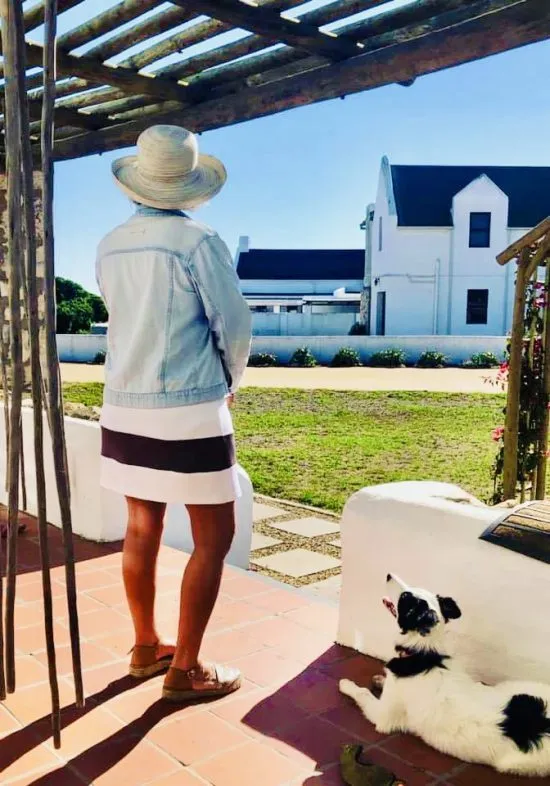
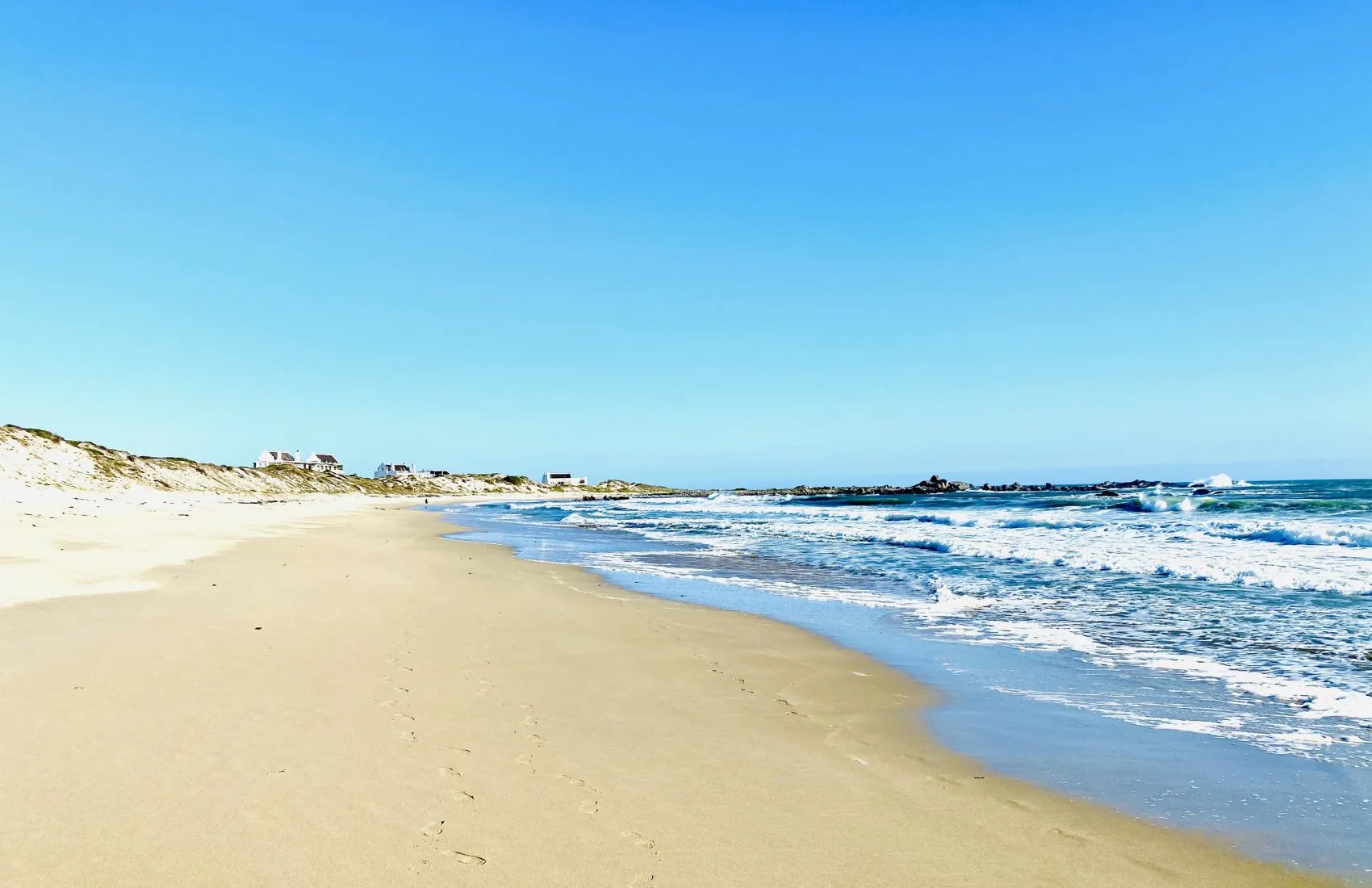
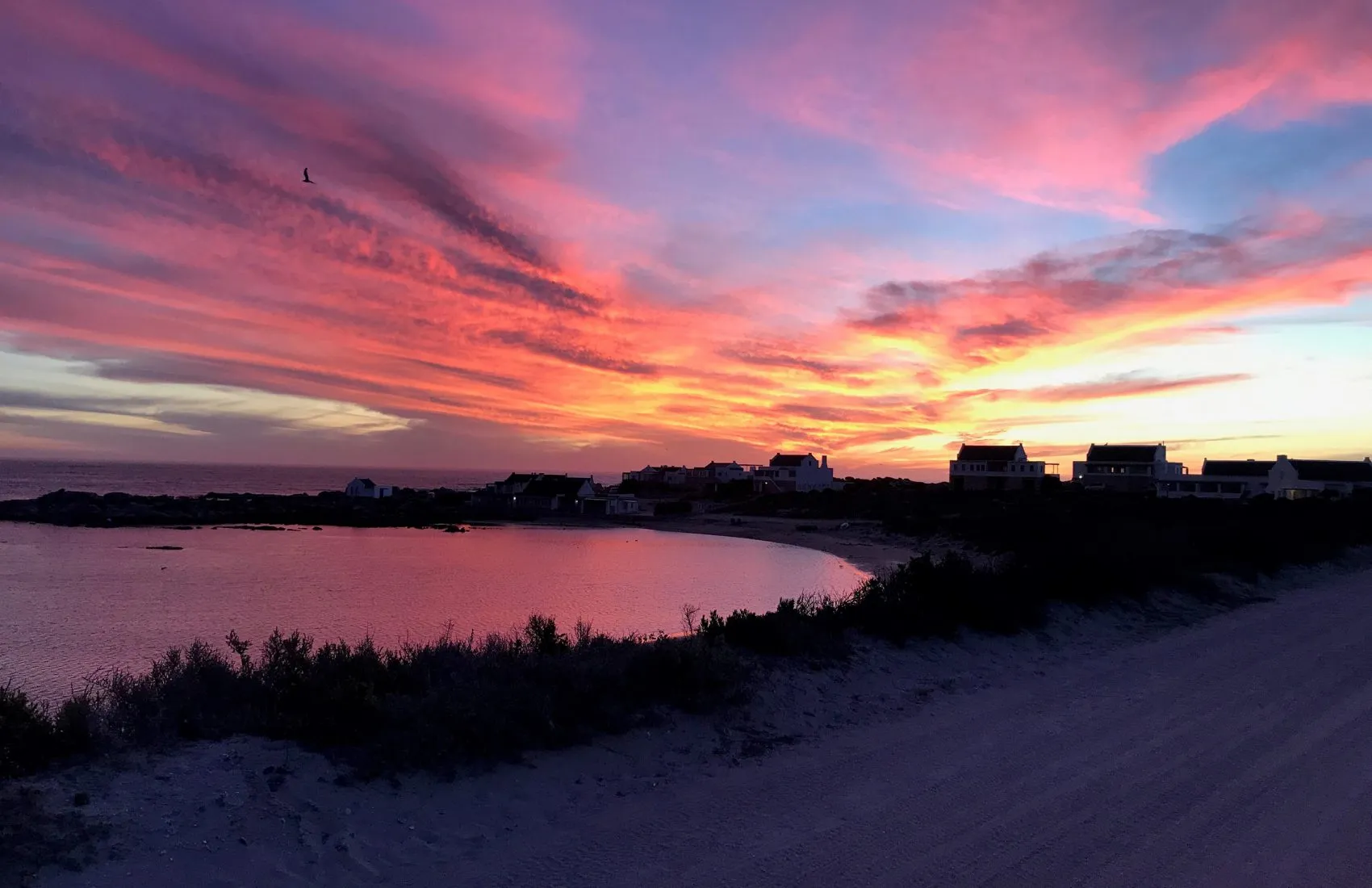
Weskushuis in serene Jacobsbaai offers exceptional accommodation for holiday seekers, with fully equipped apartments featuring private entrances, braai facilities, and sea views. Just minutes from the beach, it's ideal for a relaxing coastal escape, as guests rave about its comfort and hospitality.

R 990
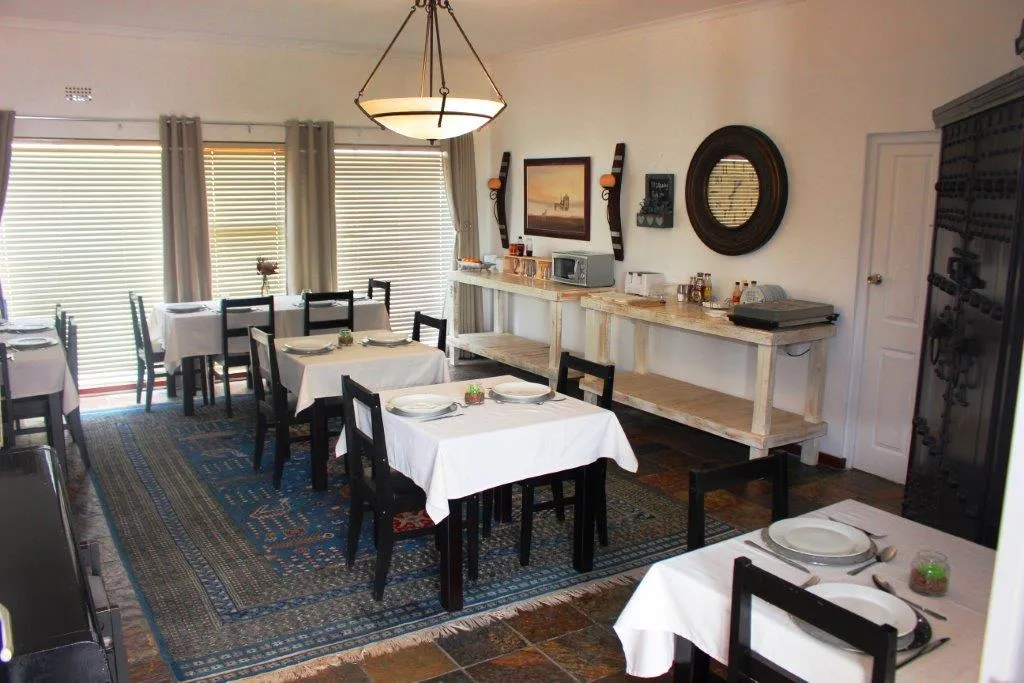
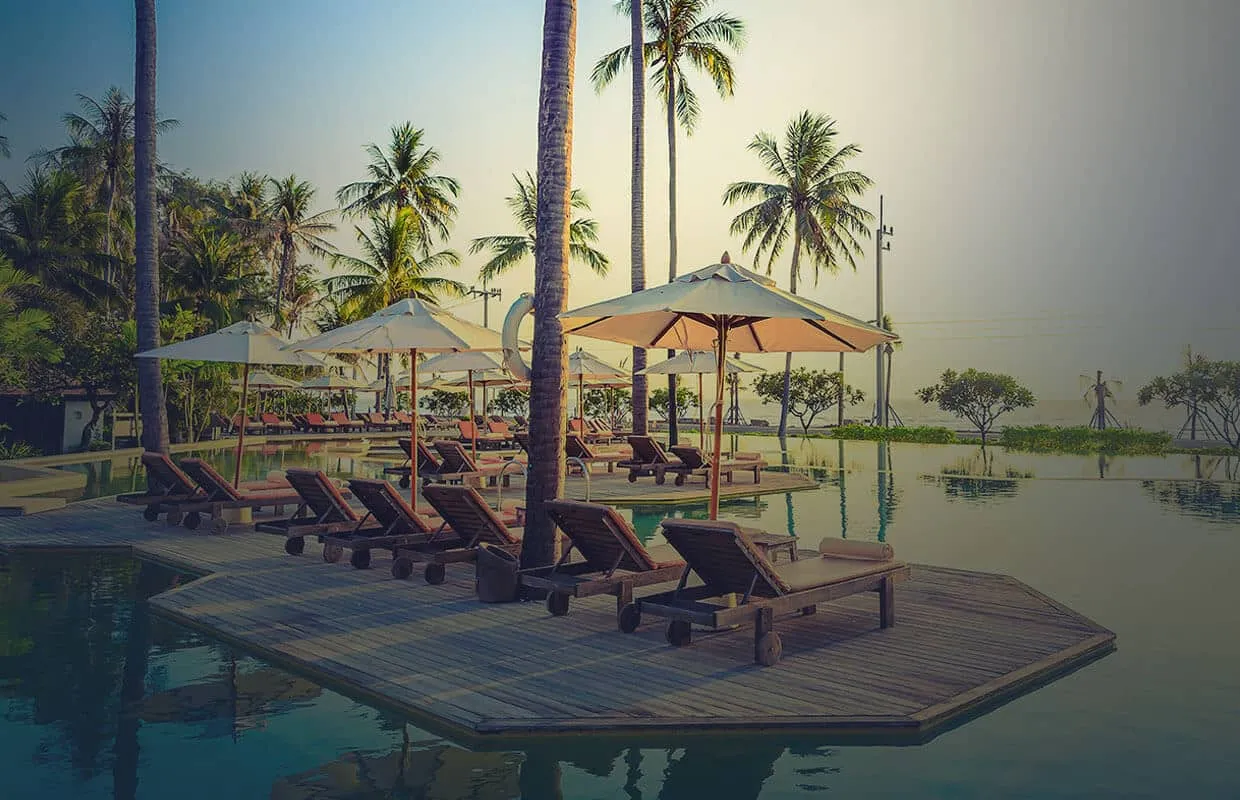
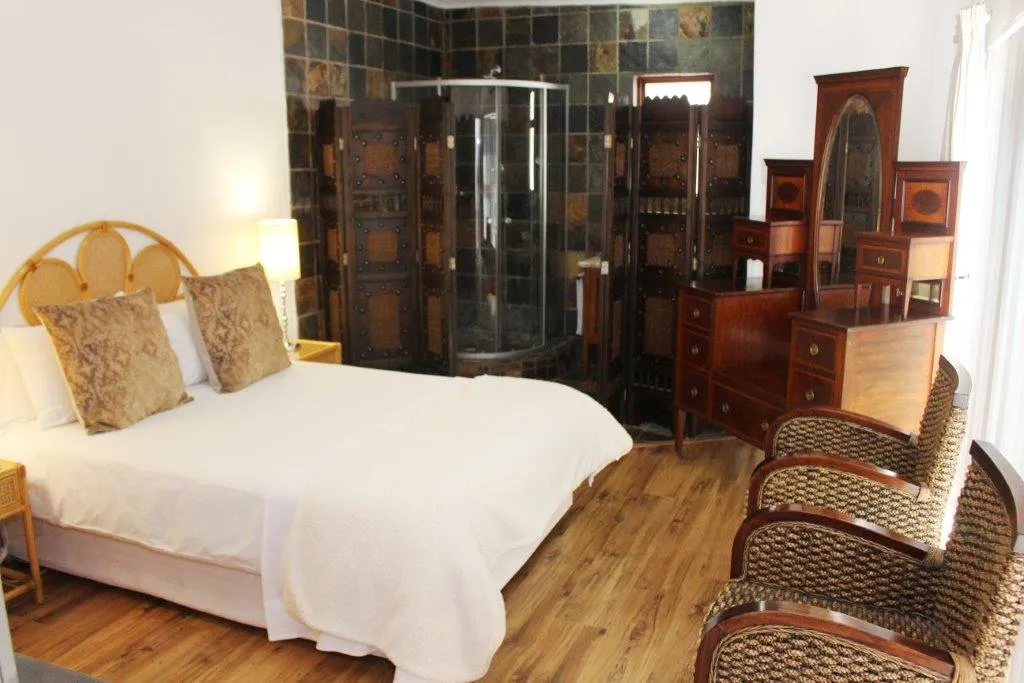
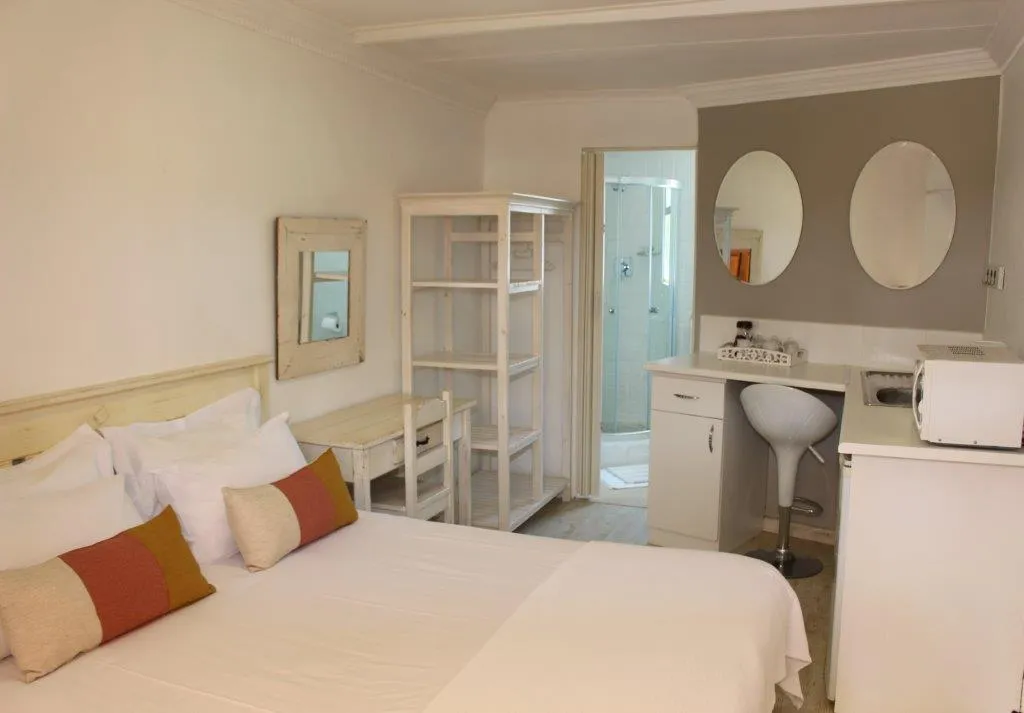
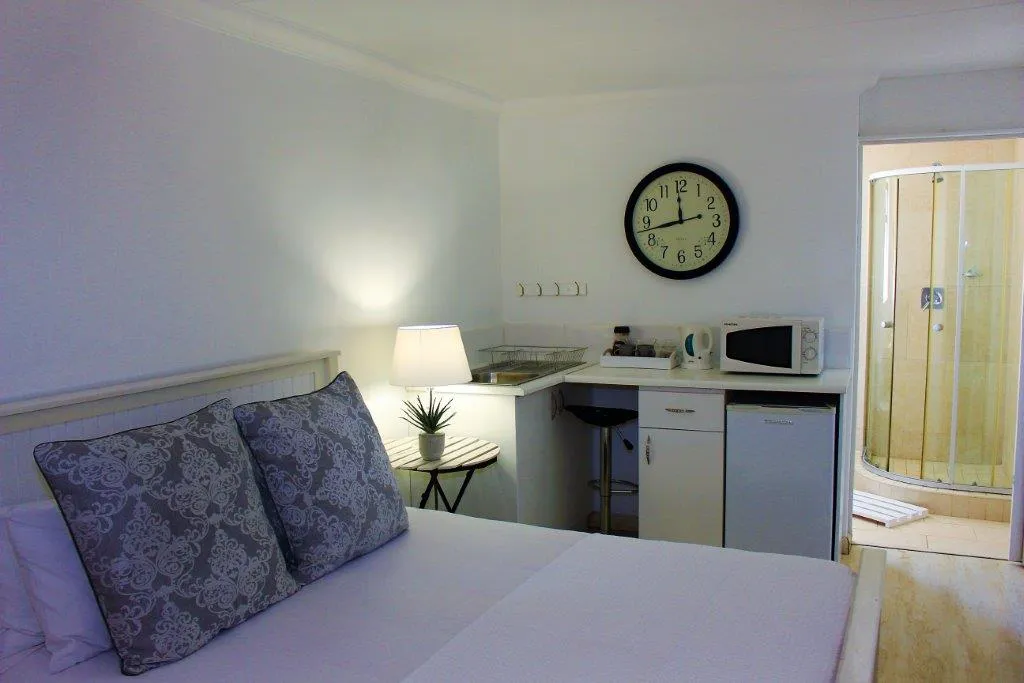
Golden Key Guesthouse is award-winning accommodation in Vredenburg on the West Coast, 125 km north of Cape Town International Airport on the R27.
About Jacobs Bay
Jacobs Bay sits along the Atlantic coastline in the Western Cape, part of the West Coast region that has long been associated with fishing communities and marine life. The village remains relatively undeveloped compared to its more touristy neighbours, maintaining an authentic atmosphere where fishing boats still dominate the small harbour and locals go about their daily routines largely unaffected by seasonal visitors.
The area's main draw is its seafood, particularly the West Coast rock lobster (crayfish) that has made this coastline famous. Several small restaurants and informal eateries serve fresh catches, and during the right season, visitors can purchase directly from fishermen at the harbour. The beaches here are typical of the West Coast: wide, windswept, and often empty except for the occasional beachcomber or angler. The water is cold year-round due to the Benguela Current, so swimming is for the hardy, but the shoreline is excellent for long walks and birdwatching.
Jacobs Bay falls within the greater Saldanha Bay area, and visitors often use it as a base for exploring nearby attractions. The West Coast National Park lies to the south, famous for its spring wildflower displays when the normally dry landscape transforms into carpets of colour. The park also protects important wetland areas around the Langebaan Lagoon, a significant habitat for migratory birds. Those seeking Jacobs Bay accommodation will find options ranging from self-catering cottages to guesthouses, most operated by local families.
The village experiences typical Mediterranean climate patterns with wet winters and dry summers. Winter months from May to August bring rain and cooler temperatures, while summer can be hot but is often moderated by strong south-easterly winds. The wildflower season, usually peaking in August and September, draws day visitors from Cape Town and surrounding areas. Outside of this period, Jacobs Bay returns to its quiet routine, offering visitors a genuine sense of what life is like in a working West Coast fishing village.