


Kuruman Accommodation
Showing 1 - 1 of 1 results

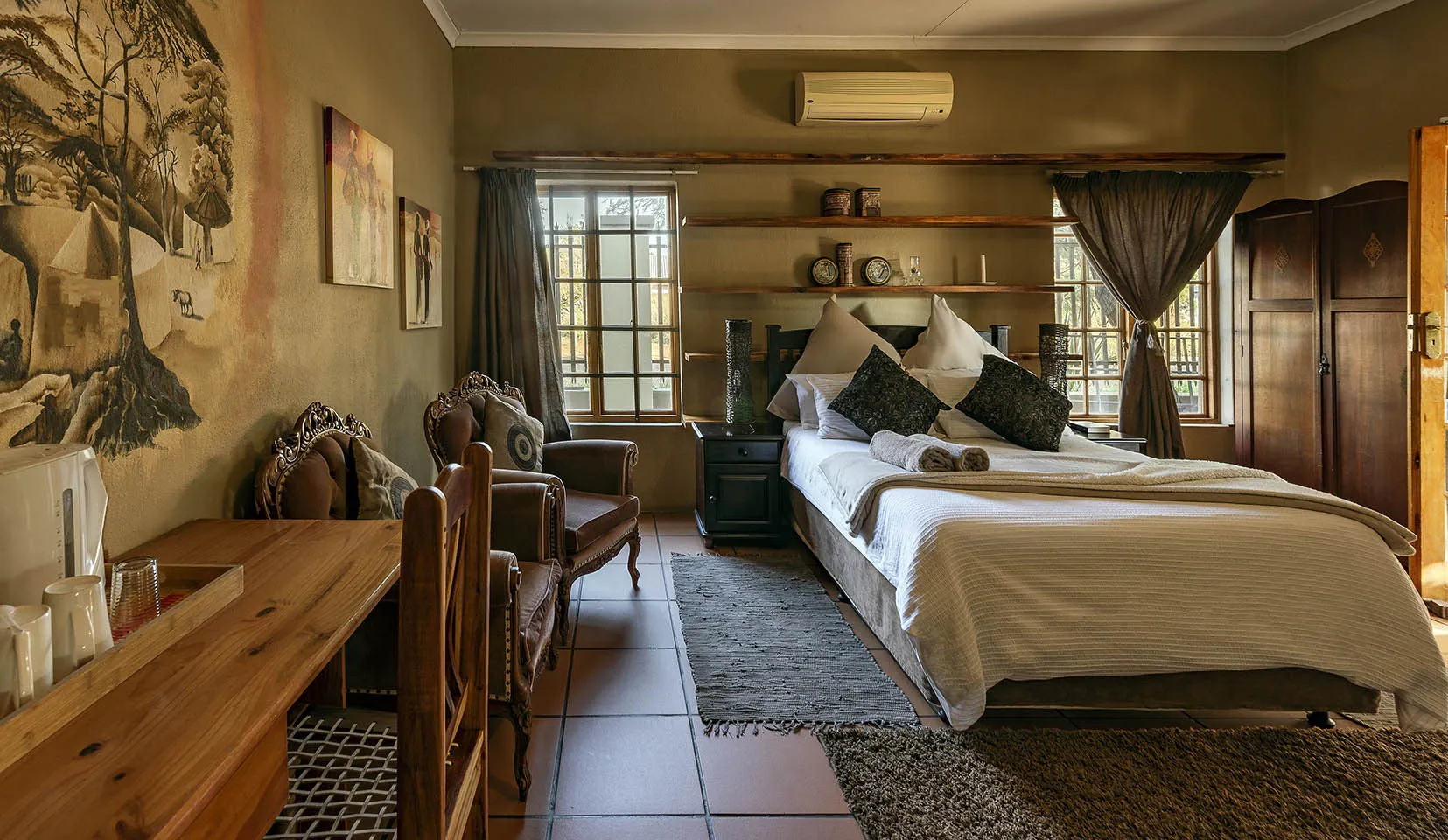
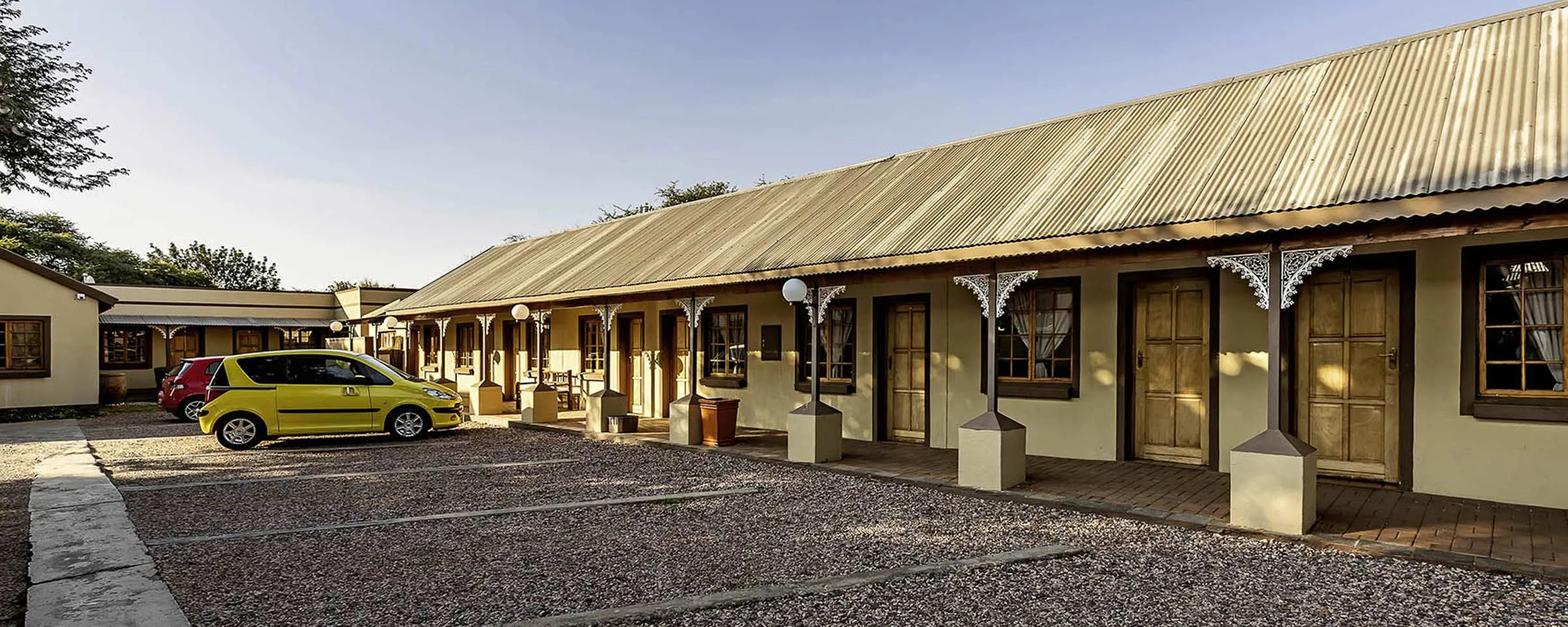
Kuruman Hotel provides comfortable, modern air-conditioned en-suite rooms. The property has a restaurant and bar on the premises. This unique no pretense hotel is in Kuruman, a town of 13,057 inhabitants in the Northern Cape province of South Africa.
Restaurant
Desk
About Kuruman
Kuruman features a fascinating natural spring known as the Eye of Kuruman, which provides a reliable water source in the arid Kalahari. The town has a history tied to early missionaries and exploration. It serves as a base for those interested in desert landscapes and cultural heritage.
Kuruman is a town in the Northern Cape province, situated in a semi-arid region that forms part of the greater Kalahari Desert. The area is characterized by its red sands and sparse vegetation, attracting those who appreciate rugged environments. One of the standout features is the Eye of Kuruman, a large natural spring that bubbles up from underground, supporting local flora and fauna in an otherwise dry landscape.
The town's history dates back to the 19th century when British missionaries established a presence there. Figures like Robert Moffat built a mission station, which influenced local communities and helped spread literacy and Christianity. This period left behind structures such as the Moffat Mission, where visitors can see preserved buildings and learn about early interactions between settlers and indigenous groups. The site's archives offer insights into the social changes of the time.
Natural attractions around Kuruman include the nearby Kuruman Hills, which rise gently from the flat plains and provide opportunities for hiking and birdwatching. The Wonderwerk Cave, located about 40 kilometers away, is a significant archaeological site with evidence of early human activity dating back hundreds of thousands of years. These features make the area appealing for educational trips focused on geology and prehistory. Kuruman accommodation can be found in various guesthouses and lodges that cater to travelers seeking comfort after exploring the outdoors.
Beyond the natural and historical elements, Kuruman supports a community involved in agriculture and mining. The town's economy relies on these industries, which have shaped its development over the years. Visitors might enjoy local markets where crafts and produce are sold, offering a glimpse into daily life.
Kuruman is a town in the Northern Cape province, situated in a semi-arid region that forms part of the greater Kalahari Desert. The area is characterized by its red sands and sparse vegetation, attracting those who appreciate rugged environments. One of the standout features is the Eye of Kuruman, a large natural spring that bubbles up from underground, supporting local flora and fauna in an otherwise dry landscape.
The town's history dates back to the 19th century when British missionaries established a presence there. Figures like Robert Moffat built a mission station, which influenced local communities and helped spread literacy and Christianity. This period left behind structures such as the Moffat Mission, where visitors can see preserved buildings and learn about early interactions between settlers and indigenous groups. The site's archives offer insights into the social changes of the time.
Natural attractions around Kuruman include the nearby Kuruman Hills, which rise gently from the flat plains and provide opportunities for hiking and birdwatching. The Wonderwerk Cave, located about 40 kilometers away, is a significant archaeological site with evidence of early human activity dating back hundreds of thousands of years. These features make the area appealing for educational trips focused on geology and prehistory. Kuruman accommodation can be found in various guesthouses and lodges that cater to travelers seeking comfort after exploring the outdoors.
Beyond the natural and historical elements, Kuruman supports a community involved in agriculture and mining. The town's economy relies on these industries, which have shaped its development over the years. Visitors might enjoy local markets where crafts and produce are sold, offering a glimpse into daily life.