

Kubjaname Travel & Accommodation Guide
Your complete guide to visiting Kubjaname, South Africa.
1Listings
FromR1,822per night
Most popularLodge
About Kubjaname
Kubjaname is a small village in the Limpopo Province, located in the Greater Giyani Local Municipality. This rural settlement serves as a gateway to the Kruger Lowveld region and offers visitors an authentic experience of traditional Tsonga culture and community life.
Kubjaname sits in the eastern part of Limpopo, approximately 70 kilometres from the town of Giyani and roughly 100 kilometres from the Phalaborwa Gate of Kruger National Park. The village is part of a predominantly rural landscape where agriculture and traditional lifestyles remain central to daily existence. The surrounding area is characterised by warm temperatures year-round, with summer rainfall supporting the cultivation of mangoes, papayas, and other subtropical crops that thrive in this lowveld climate.
The region around Kubjaname falls within traditional Tsonga territory, where cultural practices and languages have been preserved across generations. Visitors staying in the area can observe traditional homesteads, attend community events, and gain insight into customs that differ markedly from urban South African life. The local economy relies heavily on subsistence farming, with many households maintaining vegetable gardens and keeping livestock.
For those seeking Kubjaname accommodation, options tend towards guesthouses and homestays that provide direct interaction with local families. The village serves as a practical base for travellers heading to Kruger National Park who prefer to experience rural South African communities rather than tourist-oriented towns. The drive to Phalaborwa takes about an hour and a half, while the route to Letaba Rest Camp via the Orpen Gate is similarly accessible.
The broader Giyani area offers several points of interest within reasonable driving distance. The Nsama Dam, located south of Giyani, provides fishing and picnicking opportunities. Tzaneen, approximately 90 kilometres to the west, offers more developed tourism infrastructure including botanical gardens and tea estates. The region's proximity to both Kruger and the cultural heartland of the Tsonga people makes it suitable for travellers interested in combining wildlife experiences with cultural immersion.
Visitors should be prepared for basic amenities and limited commercial services within the village itself. Giyani town provides the nearest banking, fuel, and shopping facilities. The area experiences hot, humid summers with afternoon thunderstorms common from November through March, while winters are mild and dry. Mobile phone coverage can be inconsistent in rural areas, and travellers should plan accordingly.
Kubjaname sits in the eastern part of Limpopo, approximately 70 kilometres from the town of Giyani and roughly 100 kilometres from the Phalaborwa Gate of Kruger National Park. The village is part of a predominantly rural landscape where agriculture and traditional lifestyles remain central to daily existence. The surrounding area is characterised by warm temperatures year-round, with summer rainfall supporting the cultivation of mangoes, papayas, and other subtropical crops that thrive in this lowveld climate.
The region around Kubjaname falls within traditional Tsonga territory, where cultural practices and languages have been preserved across generations. Visitors staying in the area can observe traditional homesteads, attend community events, and gain insight into customs that differ markedly from urban South African life. The local economy relies heavily on subsistence farming, with many households maintaining vegetable gardens and keeping livestock.
For those seeking Kubjaname accommodation, options tend towards guesthouses and homestays that provide direct interaction with local families. The village serves as a practical base for travellers heading to Kruger National Park who prefer to experience rural South African communities rather than tourist-oriented towns. The drive to Phalaborwa takes about an hour and a half, while the route to Letaba Rest Camp via the Orpen Gate is similarly accessible.
The broader Giyani area offers several points of interest within reasonable driving distance. The Nsama Dam, located south of Giyani, provides fishing and picnicking opportunities. Tzaneen, approximately 90 kilometres to the west, offers more developed tourism infrastructure including botanical gardens and tea estates. The region's proximity to both Kruger and the cultural heartland of the Tsonga people makes it suitable for travellers interested in combining wildlife experiences with cultural immersion.
Visitors should be prepared for basic amenities and limited commercial services within the village itself. Giyani town provides the nearest banking, fuel, and shopping facilities. The area experiences hot, humid summers with afternoon thunderstorms common from November through March, while winters are mild and dry. Mobile phone coverage can be inconsistent in rural areas, and travellers should plan accordingly.
Types of Accommodation in Kubjaname
Featured Stays in Kubjaname

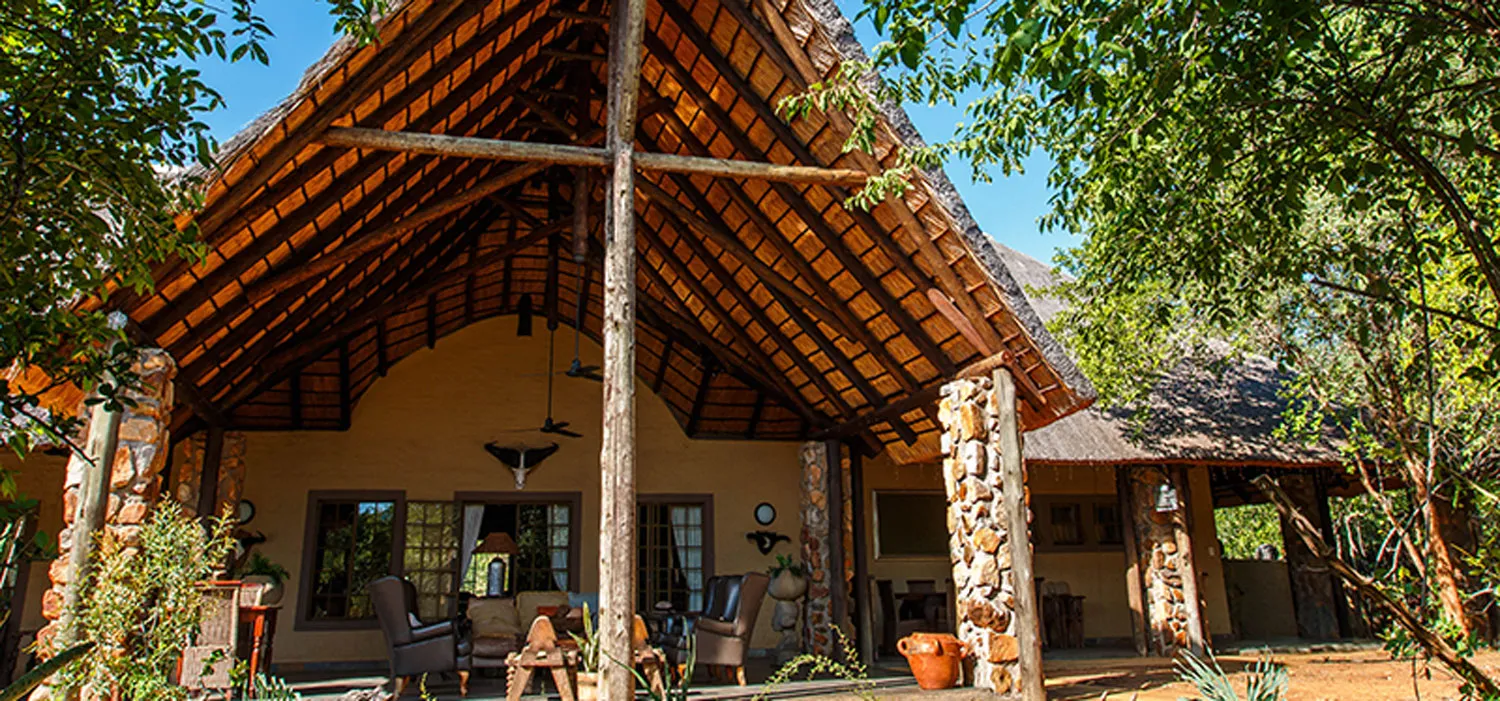
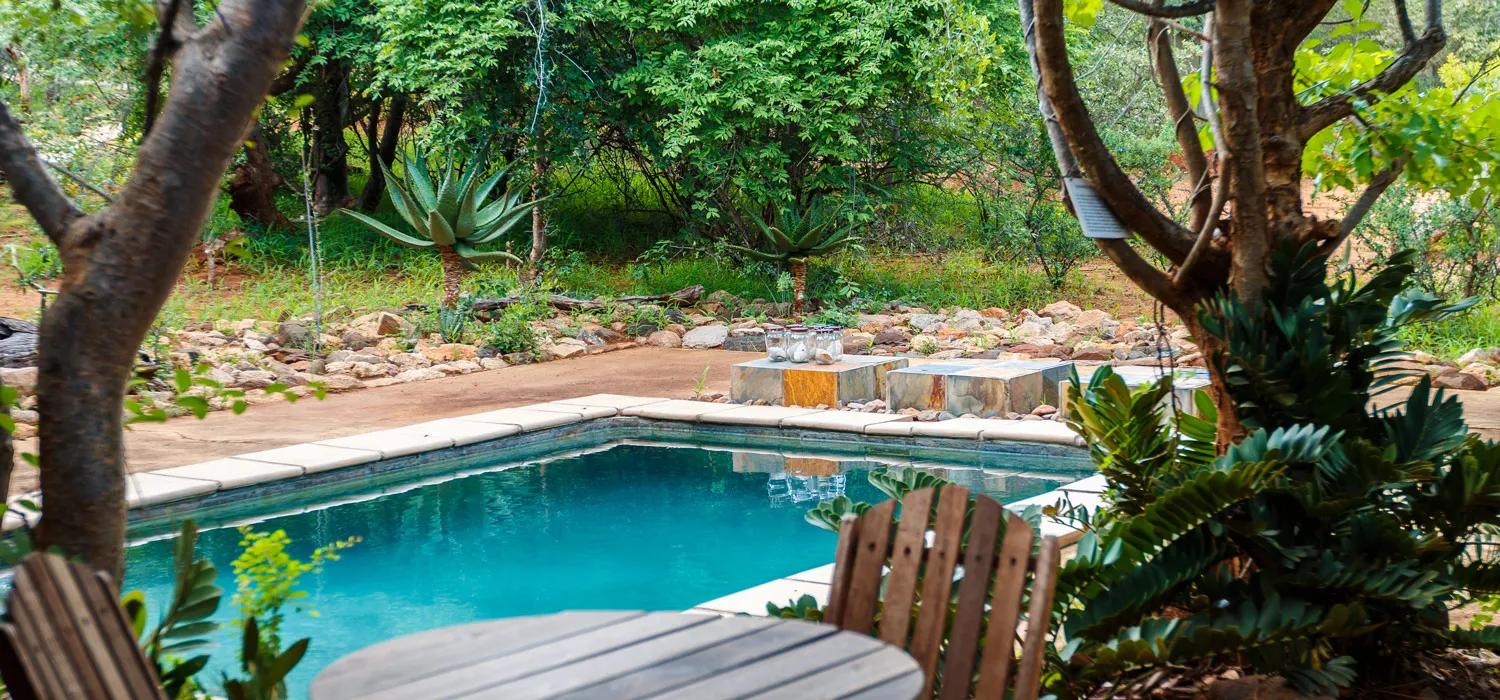
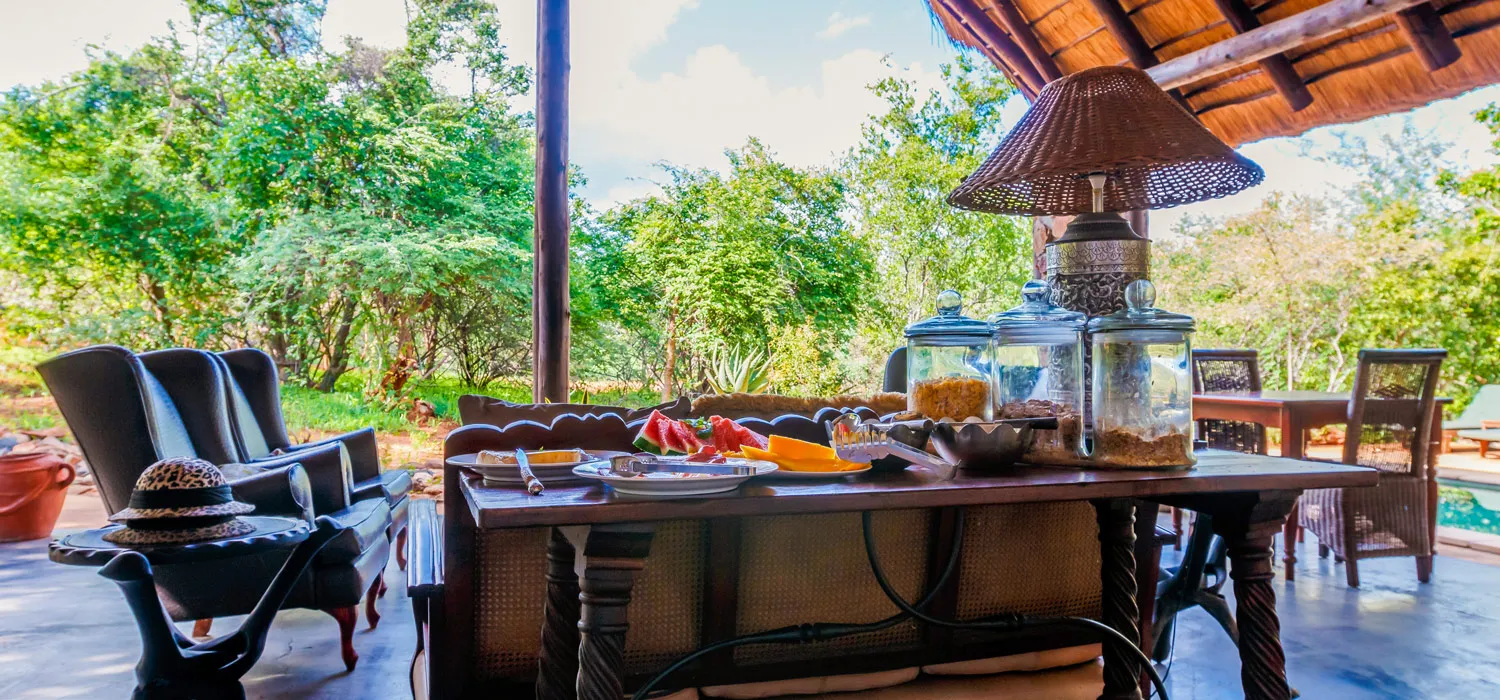
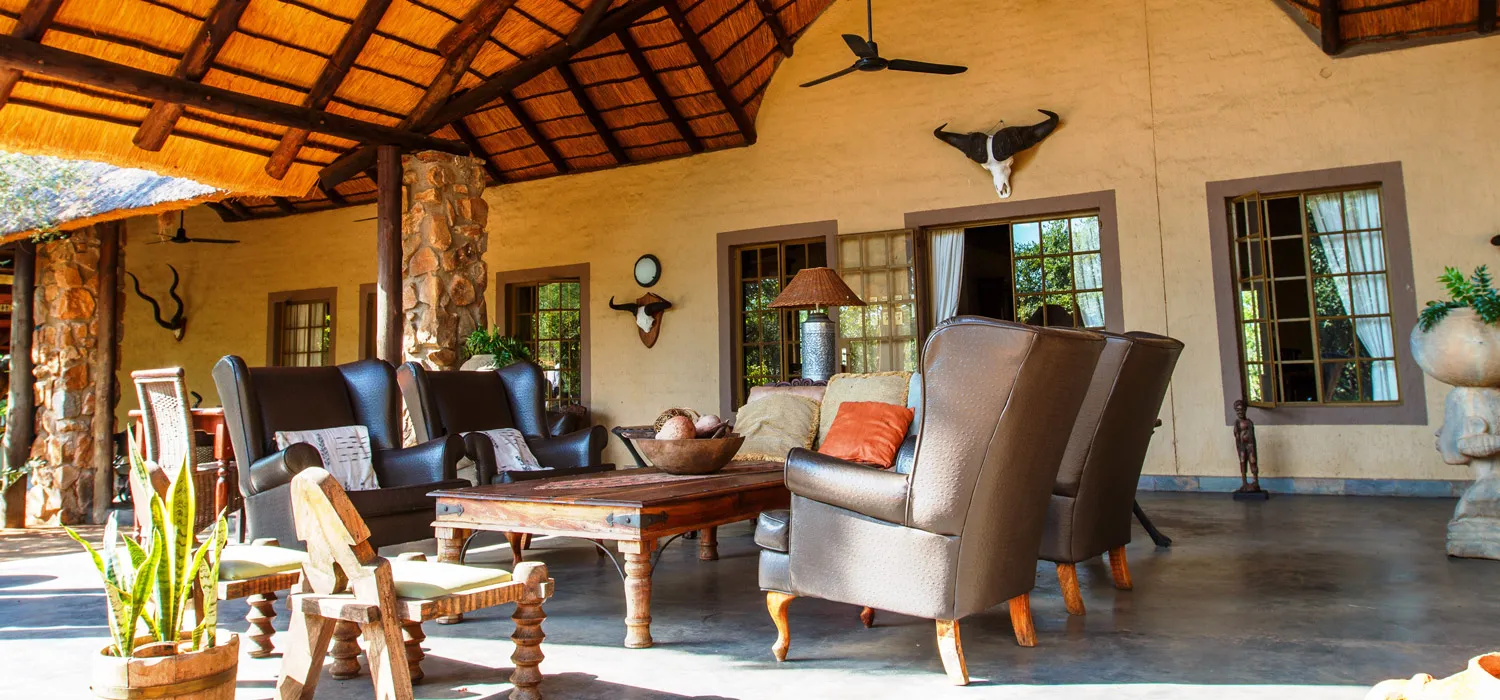
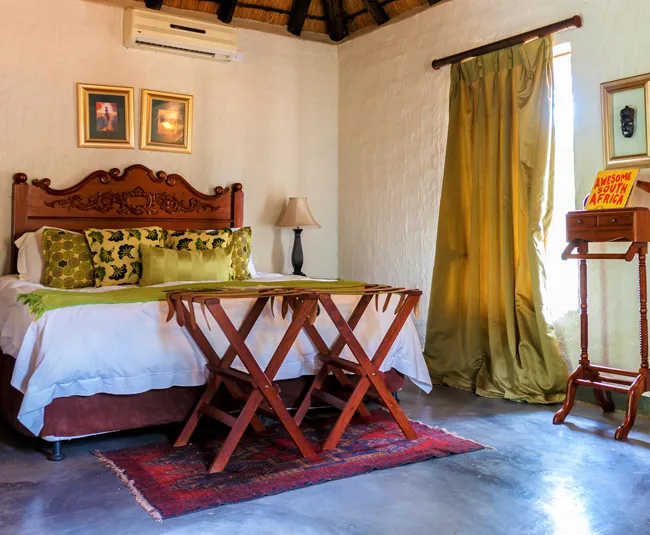
Shikwari Nature Reserve offers two accommodation experiences: six private junior suites with half-board and four traditional thatched rondavels with full breakfast or half-board options. The reserve provides access to walks and excursions to Kruger Park and Panorama Route.
Restaurant
Full Kitchen
Accommodation Prices in Kubjaname
| Type | Listings | From | Average | Up To |
|---|---|---|---|---|
| Lodge | 1 | R1,822 | R3,369 | R4,400 |
Kubjaname Map
Nearby Destinations
Browse All Kubjaname Accommodation
View all 1 accommodation options in Kubjaname with photos, prices, and availability.
Browse All Accommodation