

Gxarha Travel & Accommodation Guide
Your complete guide to visiting Gxarha, South Africa.
3Listings
FromR1,650per night
Most popularLodge
About Gxarha
Gxarha is a small coastal settlement on the Eastern Cape's Wild Coast, where the Gxarha River meets the Indian Ocean. The area draws visitors with its raw, largely undeveloped shoreline, grassland cliffs, and the kind of quiet that is increasingly hard to find along South Africa's coast.
Gxarha sits in the Mbhashe Local Municipality, roughly midway between Coffee Bay and the Kei River mouth along the Wild Coast. The settlement is small enough that most visitors pass through or stay nearby rather than in the village itself, but the surrounding landscape is the real draw. The coastline here is defined by river mouths, rocky headlands, and long stretches of beach that see very little foot traffic outside of holiday periods.
The Gxarha River mouth is the geographic anchor of the area. At low tide it is possible to wade across, but after heavy rain the river runs deep and wide, and the crossing becomes impassable. This unpredictability is part of what keeps the area relatively quiet. A short walk north along the beach from the river mouth brings you to the base of the cliffs that characterise this stretch of the Wild Coast, where the land drops sharply to the sea and the views extend far in both directions.
The surrounding area carries significant historical weight. This part of the Eastern Cape is associated with the Xhosa prophetess Nongqawuse, whose visions in the 1850s led to the Xhosa Cattle Killing movement, one of the most consequential events in the history of the region. The Gxarha River valley is specifically linked to the location where Nongqawuse claimed to have received her prophecies. Visitors with an interest in South African history often make a point of coming here for that reason alone.
For those searching for Gxarha accommodation, options tend toward the small and self-catering side. There are a handful of guesthouses and backpacker lodges within a few kilometres of the river mouth, and the broader Coffee Bay area, about 15 kilometres to the north, offers a wider range of places to stay. The road access to Gxarha is unpaved for a significant portion of the route and can become difficult after rain, so a vehicle with reasonable ground clearance is advisable.
Fishing, swimming in calmer conditions, and walking the coastal trails are the main activities. The area is also home to a variety of seabirds, and the grasslands behind the beach support a range of smaller wildlife. There are no formal tourist facilities at the river mouth itself, so visitors should come prepared with supplies. The nearest town with shops and services is Elliotdale, known locally as Xhora, about 30 kilometres inland.
Gxarha sits in the Mbhashe Local Municipality, roughly midway between Coffee Bay and the Kei River mouth along the Wild Coast. The settlement is small enough that most visitors pass through or stay nearby rather than in the village itself, but the surrounding landscape is the real draw. The coastline here is defined by river mouths, rocky headlands, and long stretches of beach that see very little foot traffic outside of holiday periods.
The Gxarha River mouth is the geographic anchor of the area. At low tide it is possible to wade across, but after heavy rain the river runs deep and wide, and the crossing becomes impassable. This unpredictability is part of what keeps the area relatively quiet. A short walk north along the beach from the river mouth brings you to the base of the cliffs that characterise this stretch of the Wild Coast, where the land drops sharply to the sea and the views extend far in both directions.
The surrounding area carries significant historical weight. This part of the Eastern Cape is associated with the Xhosa prophetess Nongqawuse, whose visions in the 1850s led to the Xhosa Cattle Killing movement, one of the most consequential events in the history of the region. The Gxarha River valley is specifically linked to the location where Nongqawuse claimed to have received her prophecies. Visitors with an interest in South African history often make a point of coming here for that reason alone.
For those searching for Gxarha accommodation, options tend toward the small and self-catering side. There are a handful of guesthouses and backpacker lodges within a few kilometres of the river mouth, and the broader Coffee Bay area, about 15 kilometres to the north, offers a wider range of places to stay. The road access to Gxarha is unpaved for a significant portion of the route and can become difficult after rain, so a vehicle with reasonable ground clearance is advisable.
Fishing, swimming in calmer conditions, and walking the coastal trails are the main activities. The area is also home to a variety of seabirds, and the grasslands behind the beach support a range of smaller wildlife. There are no formal tourist facilities at the river mouth itself, so visitors should come prepared with supplies. The nearest town with shops and services is Elliotdale, known locally as Xhora, about 30 kilometres inland.
Types of Accommodation in Gxarha
Featured Stays in Gxarha
From
R 1,395
Per unit per night in March
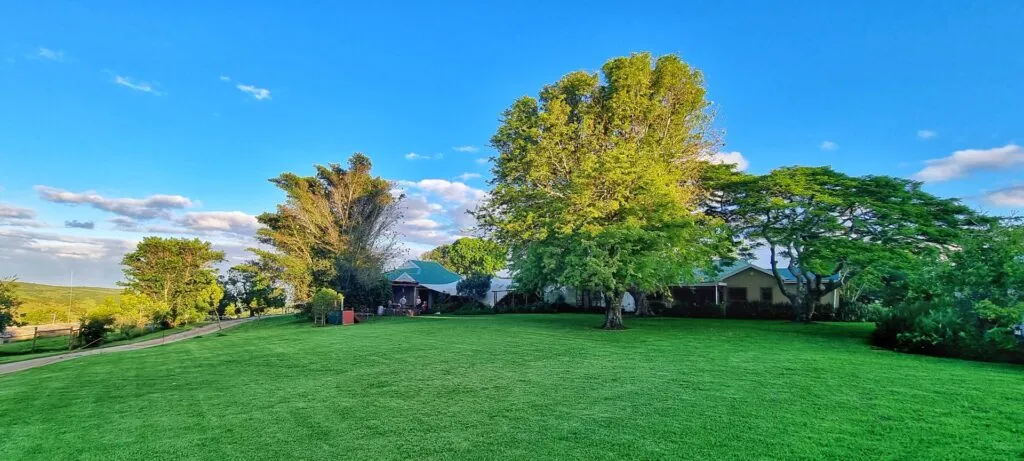
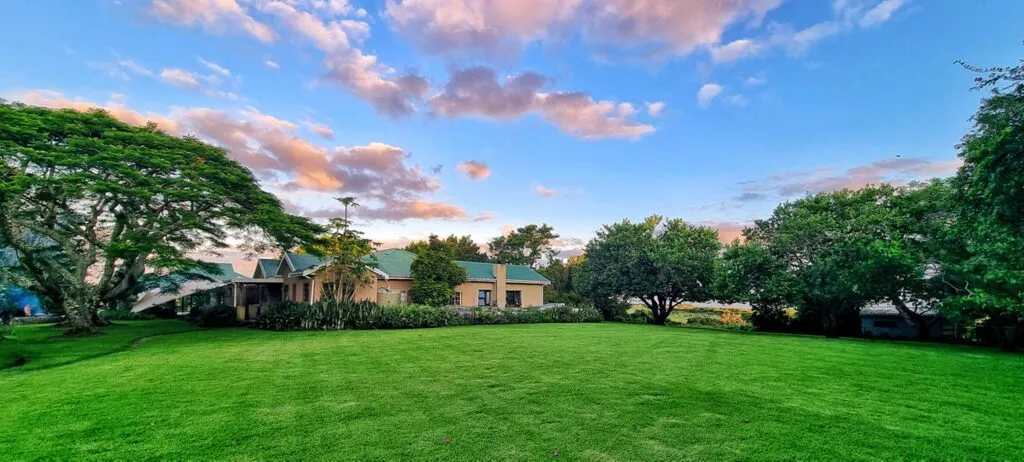
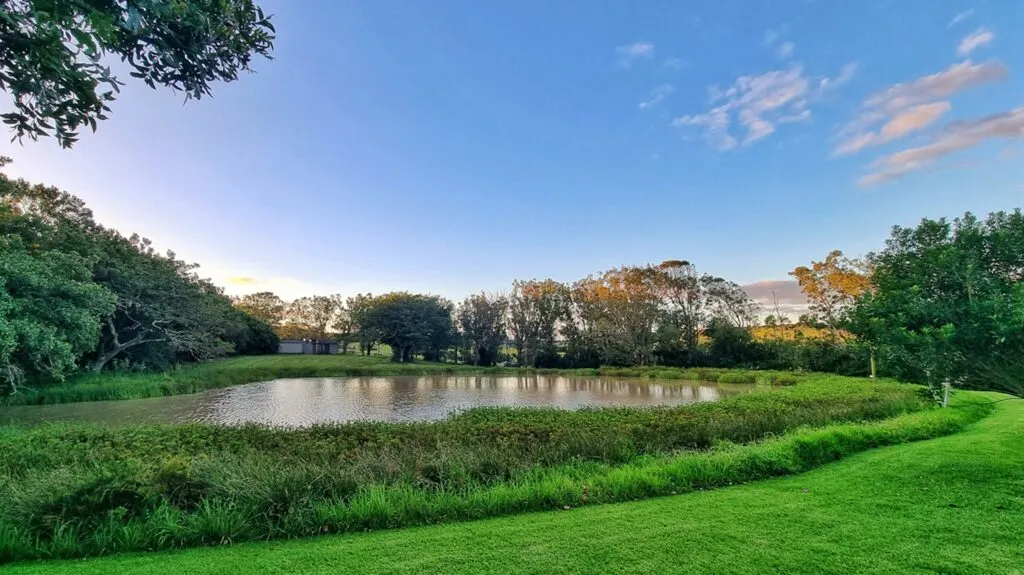
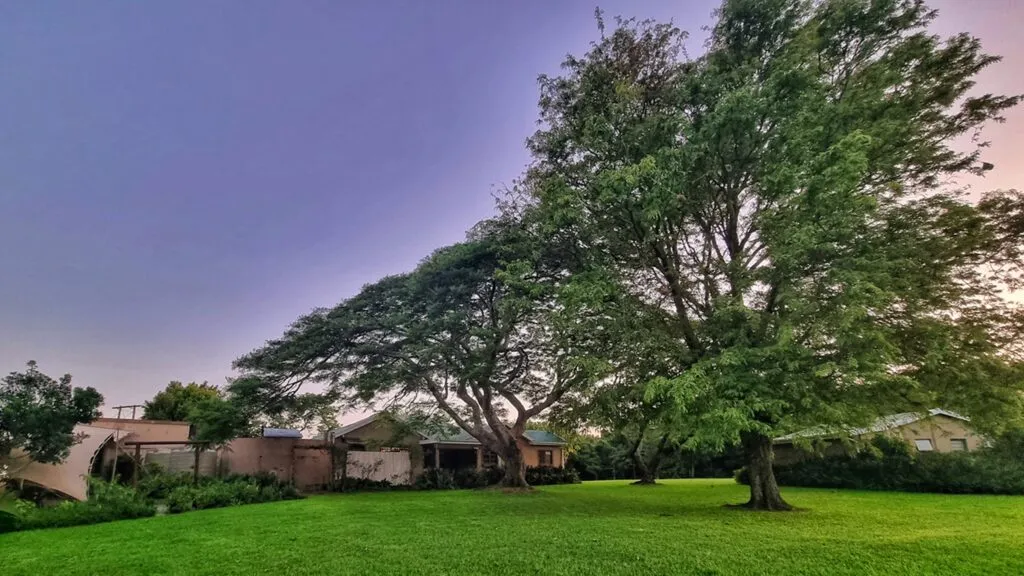
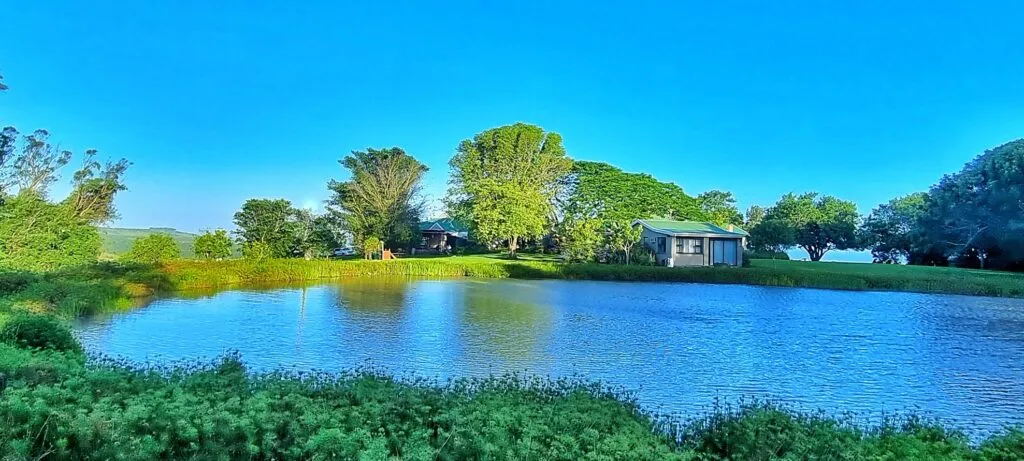
OppiePlaas Country Estate offers family and pet-friendly accommodation on a working cattle and sheep farm along the East Cape Wild Coast. It provides two en-suite B&B guest rooms and two self-catering guest cottages, only 2 km from Haga Haga coastal resort.
Restaurant
Full Kitchen
Surfing

OppiePlaas Country Estate
Lodge
From
R 1,395
Per unit per night in March
Restaurant
Full Kitchen
Surfing
Accommodation Prices in Gxarha
Gxarha Map
Nearby Destinations
Browse All Gxarha Accommodation
View all 3 accommodation options in Gxarha with photos, prices, and availability.
Browse All Accommodation