


Qonce Accommodation
Showing 1 - 1 of 1 results
Glencoe Guest House
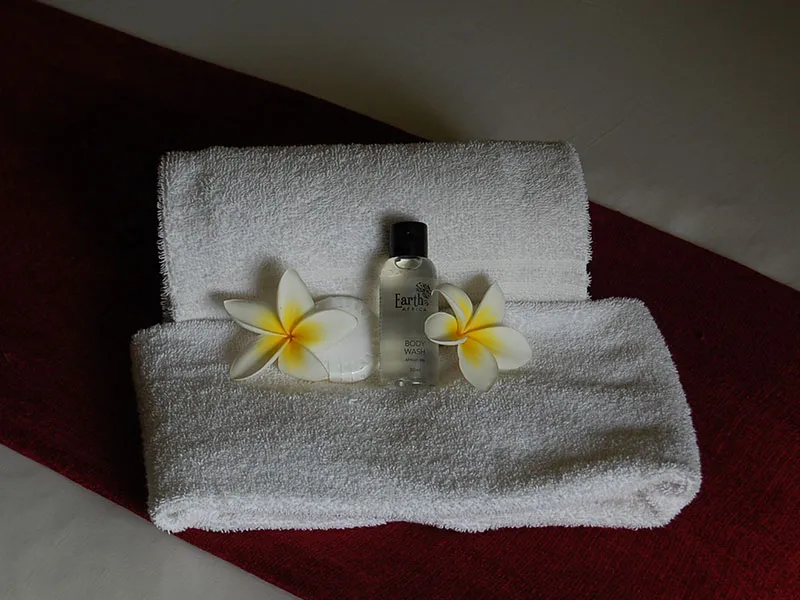
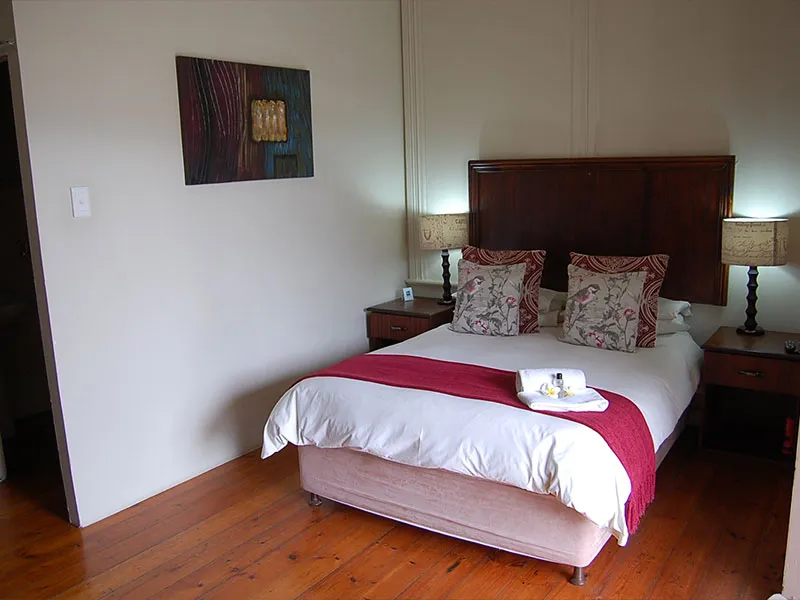
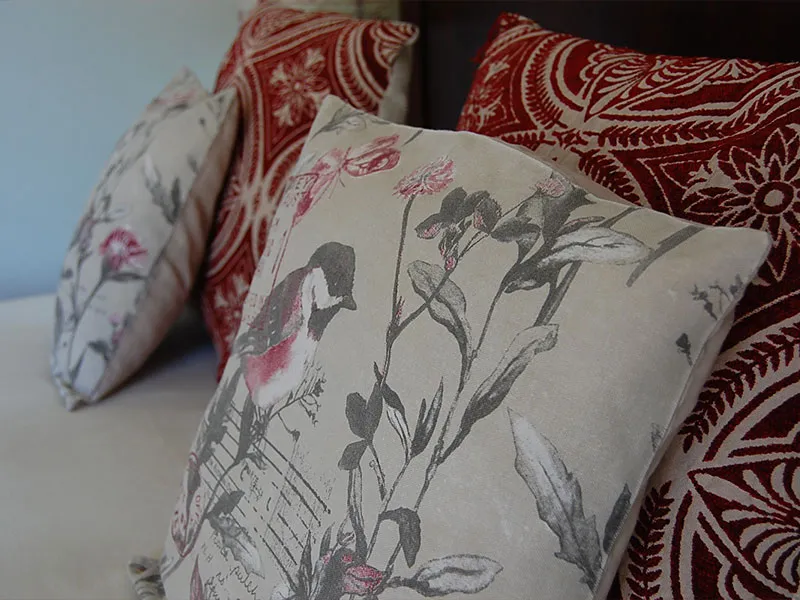
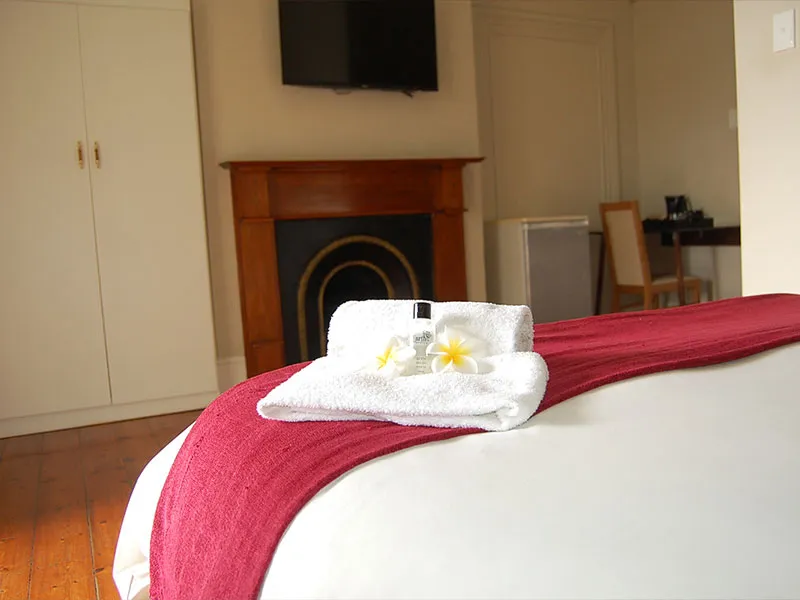
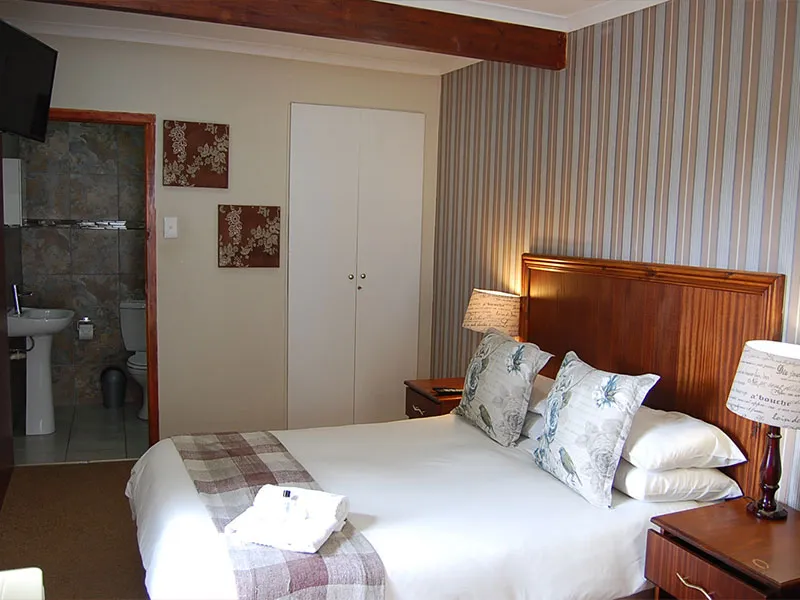
Nestled in prestigious Fort Hill, Glencoe Guest House offers luxurious accommodation with stunning Amatole mountain views, elegant rooms, a sparkling pool, and homemade meals, making it a holiday haven for adventure seekers.
DSTV
Swimming
Glencoe Guest House
Guesthouse
DSTV
Swimming
About Qonce
Qonce, formerly known as King William's Town, is a historic city in the Eastern Cape that played a significant role in South Africa's frontier history. The city serves as a gateway to the Amathole region and offers visitors access to important cultural sites, museums, and the surrounding natural landscapes of the Eastern Cape interior.
Qonce sits in the Buffalo River valley, approximately 60 kilometres inland from East London. The city was established in 1825 as a military outpost during the frontier wars and later became an important administrative and missionary centre. Today, it remains a regional hub with a population of around 35,000 people, combining its colonial past with its role as a centre for Xhosa culture and history.
The Amathole Museum stands as one of the city's most important attractions, housing extensive collections related to the region's natural history and cultural heritage. The museum complex includes the Kaffrarian Museum building, one of the oldest in the country, and displays covering everything from local wildlife to the history of German settlers in the area. The nearby Missionary Museum provides insight into the work of early missionaries, while the Huberta Memorial commemorates the famous hippo that walked from Zululand to the Eastern Cape in the 1920s.
For those interested in South African history, Qonce holds particular significance as the place where Steve Biko died in 1977. A memorial garden honours his memory, and the city continues to be associated with the anti-apartheid struggle. The surrounding area includes several mission stations and historical sites that tell the story of the frontier conflicts and the complex interactions between different communities during the 19th century.
The city provides a practical base for exploring the wider Amathole District. The Pirie Forest lies just outside town, offering walking trails and picnic spots among indigenous yellowwood trees. Further afield, the Amathole Mountains provide opportunities for hiking and trout fishing, while the coastal attractions of East London are less than an hour's drive away. Qonce accommodation options range from guesthouses to self-catering units, catering to visitors exploring the region's historical and natural attractions.
The local economy centres on agriculture, forestry, and light industry, giving the city a working character rather than a purely tourist focus. Markets and shops in the town centre reflect the daily life of residents, and several restaurants serve traditional South African cuisine alongside standard fare. The city's position on the N2 highway makes it accessible for travellers moving between the Garden Route and the Wild Coast.
Qonce sits in the Buffalo River valley, approximately 60 kilometres inland from East London. The city was established in 1825 as a military outpost during the frontier wars and later became an important administrative and missionary centre. Today, it remains a regional hub with a population of around 35,000 people, combining its colonial past with its role as a centre for Xhosa culture and history.
The Amathole Museum stands as one of the city's most important attractions, housing extensive collections related to the region's natural history and cultural heritage. The museum complex includes the Kaffrarian Museum building, one of the oldest in the country, and displays covering everything from local wildlife to the history of German settlers in the area. The nearby Missionary Museum provides insight into the work of early missionaries, while the Huberta Memorial commemorates the famous hippo that walked from Zululand to the Eastern Cape in the 1920s.
For those interested in South African history, Qonce holds particular significance as the place where Steve Biko died in 1977. A memorial garden honours his memory, and the city continues to be associated with the anti-apartheid struggle. The surrounding area includes several mission stations and historical sites that tell the story of the frontier conflicts and the complex interactions between different communities during the 19th century.
The city provides a practical base for exploring the wider Amathole District. The Pirie Forest lies just outside town, offering walking trails and picnic spots among indigenous yellowwood trees. Further afield, the Amathole Mountains provide opportunities for hiking and trout fishing, while the coastal attractions of East London are less than an hour's drive away. Qonce accommodation options range from guesthouses to self-catering units, catering to visitors exploring the region's historical and natural attractions.
The local economy centres on agriculture, forestry, and light industry, giving the city a working character rather than a purely tourist focus. Markets and shops in the town centre reflect the daily life of residents, and several restaurants serve traditional South African cuisine alongside standard fare. The city's position on the N2 highway makes it accessible for travellers moving between the Garden Route and the Wild Coast.