

Dingapong Travel & Accommodation Guide
Your complete guide to visiting Dingapong, South Africa.
1Listings
FromR1,822per night
Most popularLodge
About Dingapong
Dingapong is a small rural settlement in Limpopo Province, situated in the lowveld region east of the Drakensberg escarpment. The area serves as a gateway to exploring traditional Tsonga communities and provides access to the agricultural landscapes that characterize this part of South Africa's northeastern corner.
Dingapong lies in the Greater Giyani Local Municipality, approximately 60 kilometres east of Tzaneen and roughly 80 kilometres from Phalaborwa. The settlement sits at an elevation of about 400 metres above sea level in terrain that transitions from the mountainous regions to the west into the flatter lowveld plains extending toward Kruger National Park. The climate here is subtropical, with hot, wet summers and warm, dry winters typical of Limpopo's lowveld zone.
The surrounding region is predominantly agricultural, with local communities engaged in farming activities that include subsistence crops and small-scale commercial operations. Mango orchards, citrus groves, and vegetable gardens are common sights in the area. The landscape reflects the traditional settlement patterns of the Tsonga people, with homesteads scattered across the countryside and communal grazing lands interspersed with cultivated fields.
Visitors seeking Dingapong accommodation will find themselves in an area that offers authentic exposure to rural Limpopo life. The settlement provides a base for exploring the broader Mopani District, which includes access to several nature reserves and cultural sites. Phalaborwa, with its connection to Kruger National Park's central region, lies within reasonable driving distance. The town of Giyani, the administrative centre for the municipality, is closer and offers essential services and supplies.
The region's cultural landscape reflects centuries of Tsonga habitation, with traditional practices still evident in daily life. Local markets occasionally offer handcrafted items, and visitors may encounter traditional music and dance during community gatherings. The area remains relatively undeveloped for tourism compared to more established destinations in Limpopo, which means those who visit experience a more authentic slice of rural South African life without the infrastructure found in major tourist centres.
Travellers should be prepared for basic amenities and limited commercial facilities. The roads in the area vary from tarred main routes to gravel tracks connecting smaller settlements. Mobile phone coverage can be inconsistent in more remote spots. Those planning to visit should arrange accommodation in advance and ensure they have adequate supplies, as shopping options are limited to small local stores and the larger towns some distance away.
Dingapong lies in the Greater Giyani Local Municipality, approximately 60 kilometres east of Tzaneen and roughly 80 kilometres from Phalaborwa. The settlement sits at an elevation of about 400 metres above sea level in terrain that transitions from the mountainous regions to the west into the flatter lowveld plains extending toward Kruger National Park. The climate here is subtropical, with hot, wet summers and warm, dry winters typical of Limpopo's lowveld zone.
The surrounding region is predominantly agricultural, with local communities engaged in farming activities that include subsistence crops and small-scale commercial operations. Mango orchards, citrus groves, and vegetable gardens are common sights in the area. The landscape reflects the traditional settlement patterns of the Tsonga people, with homesteads scattered across the countryside and communal grazing lands interspersed with cultivated fields.
Visitors seeking Dingapong accommodation will find themselves in an area that offers authentic exposure to rural Limpopo life. The settlement provides a base for exploring the broader Mopani District, which includes access to several nature reserves and cultural sites. Phalaborwa, with its connection to Kruger National Park's central region, lies within reasonable driving distance. The town of Giyani, the administrative centre for the municipality, is closer and offers essential services and supplies.
The region's cultural landscape reflects centuries of Tsonga habitation, with traditional practices still evident in daily life. Local markets occasionally offer handcrafted items, and visitors may encounter traditional music and dance during community gatherings. The area remains relatively undeveloped for tourism compared to more established destinations in Limpopo, which means those who visit experience a more authentic slice of rural South African life without the infrastructure found in major tourist centres.
Travellers should be prepared for basic amenities and limited commercial facilities. The roads in the area vary from tarred main routes to gravel tracks connecting smaller settlements. Mobile phone coverage can be inconsistent in more remote spots. Those planning to visit should arrange accommodation in advance and ensure they have adequate supplies, as shopping options are limited to small local stores and the larger towns some distance away.
Types of Accommodation in Dingapong
Featured Stays in Dingapong
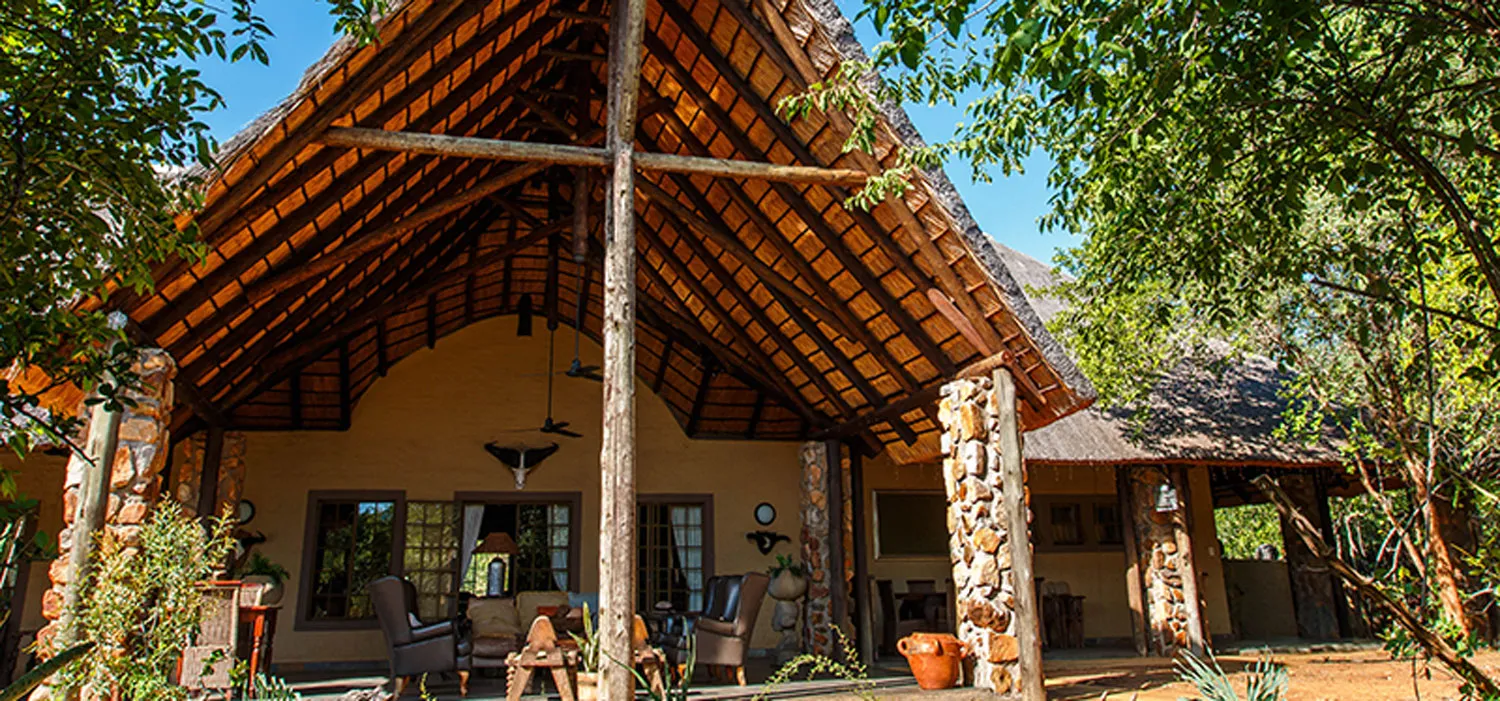
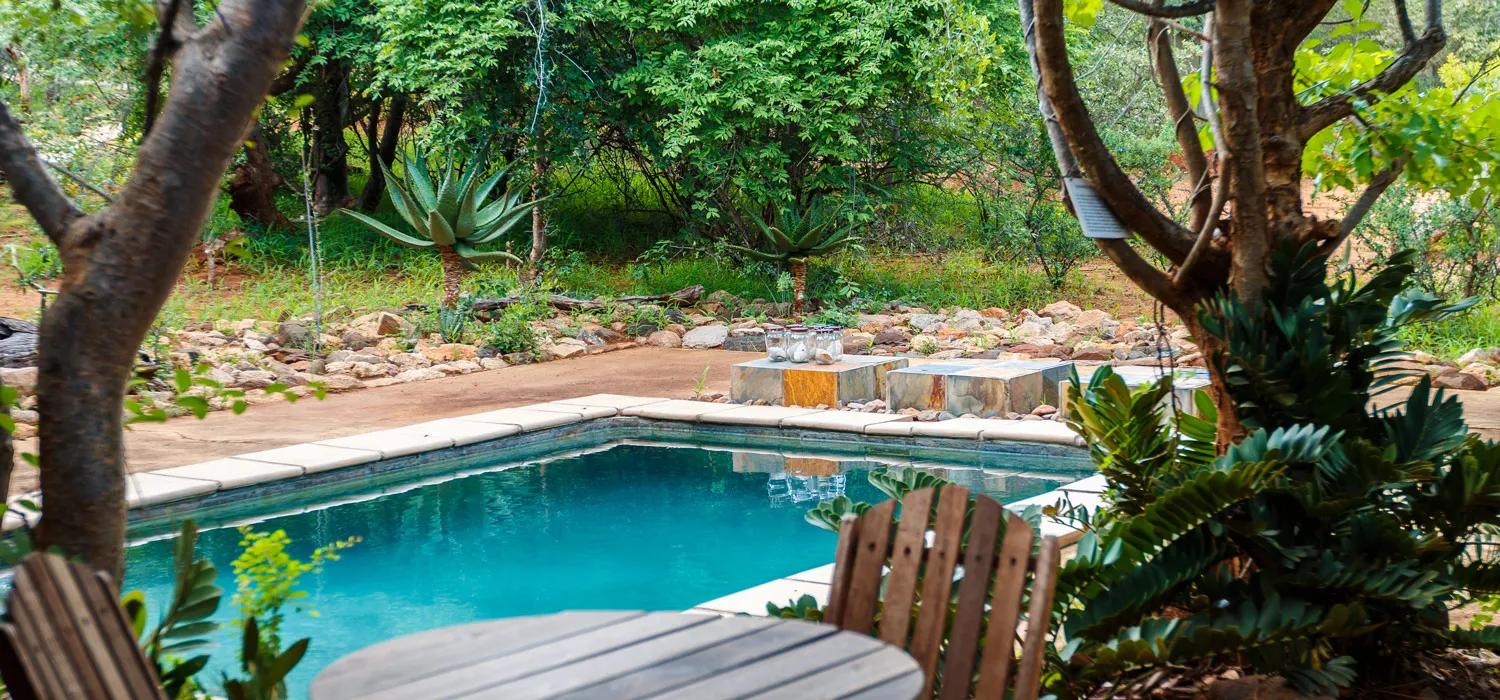
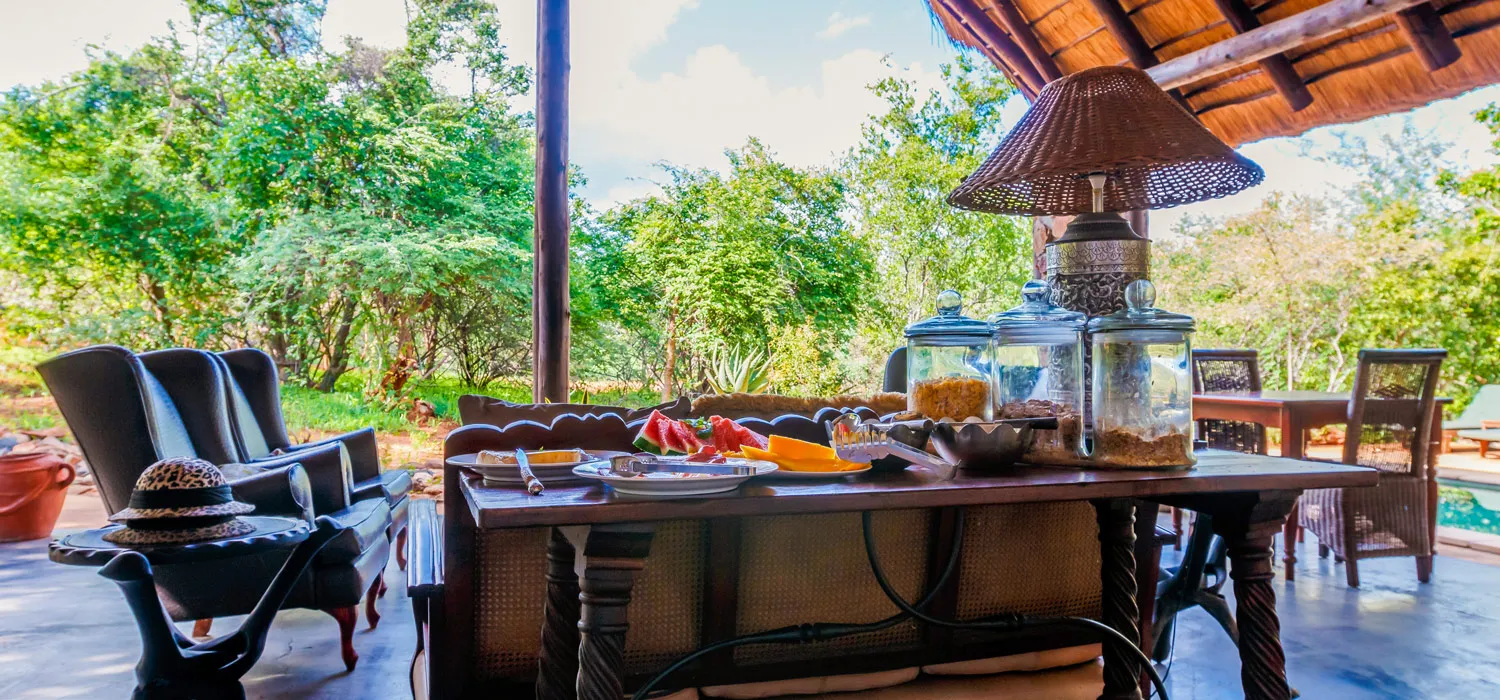
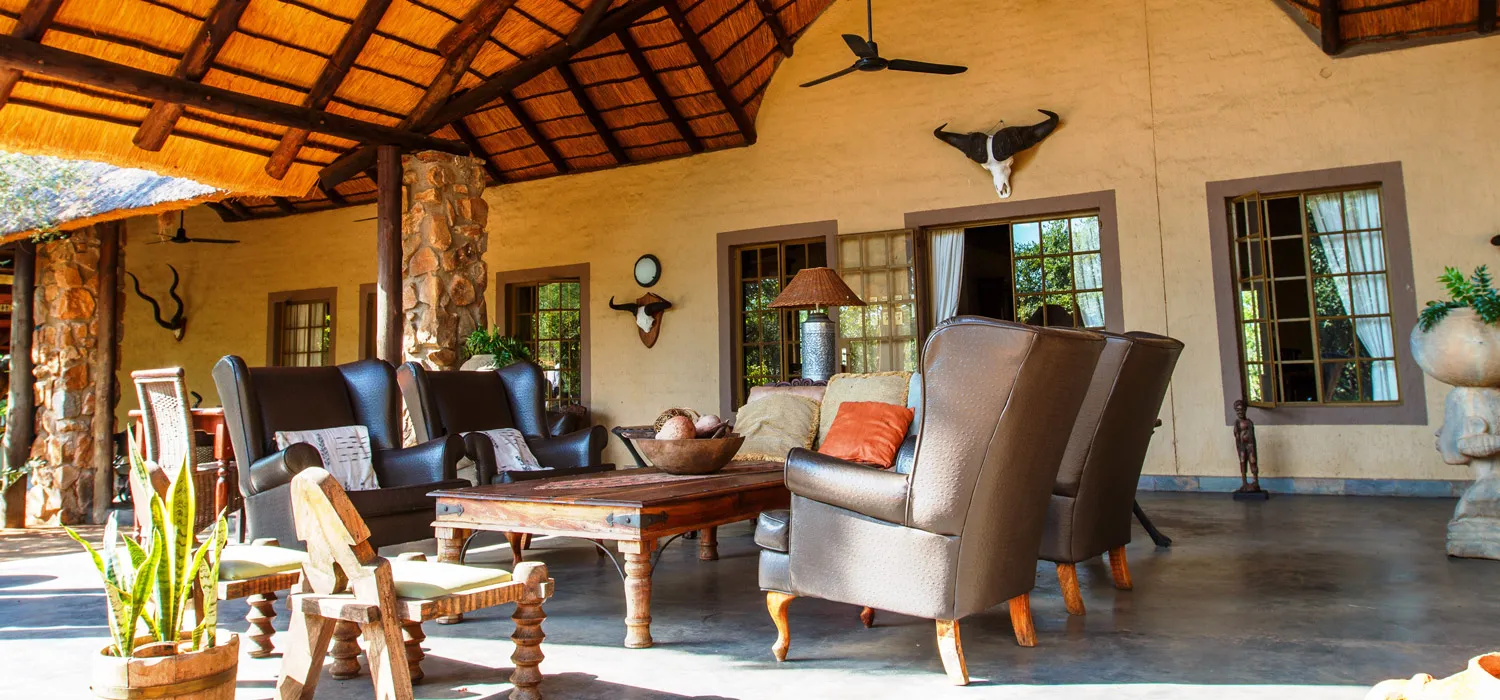
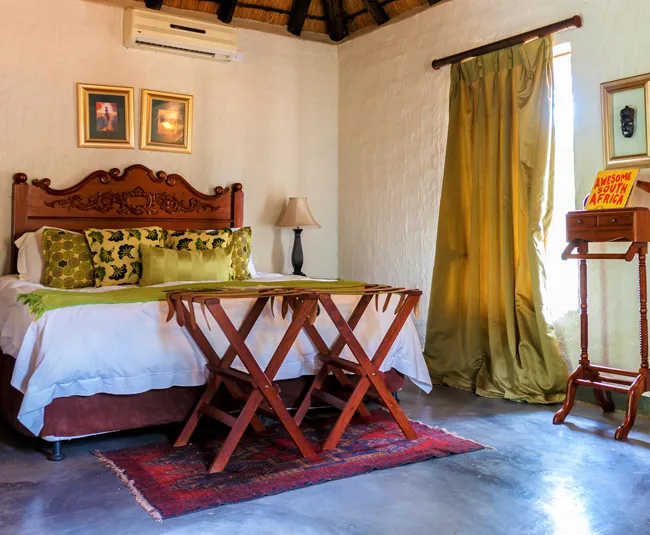
Shikwari Nature Reserve offers two accommodation experiences: six private junior suites with half-board and four traditional thatched rondavels with full breakfast or half-board options. The reserve provides access to walks and excursions to Kruger Park and Panorama Route.
Restaurant
Full Kitchen

Shikwari Nature Reserve
Lodge
From
R 1,656
Per unit per night in February
Restaurant
Full Kitchen
Accommodation Prices in Dingapong
| Type | Listings | From | Average | Up To |
|---|---|---|---|---|
| Lodge | 1 | R1,656 | R3,361 | R4,400 |
Dingapong Map
Nearby Destinations
Browse All Dingapong Accommodation
View all 1 accommodation options in Dingapong with photos, prices, and availability.
Browse All Accommodation