## Accommodation in Amatola Coastal
With only two listed properties, Amatola Coastal sits at the quieter end of the Eastern Cape accommodation spectrum. Nightly rates start at R1,450, placing both options in the mid-range bracket for this stretch of coast. The choice between them is one of style rather than budget: a lodge or a hotel, each suited to a different kind of traveller.
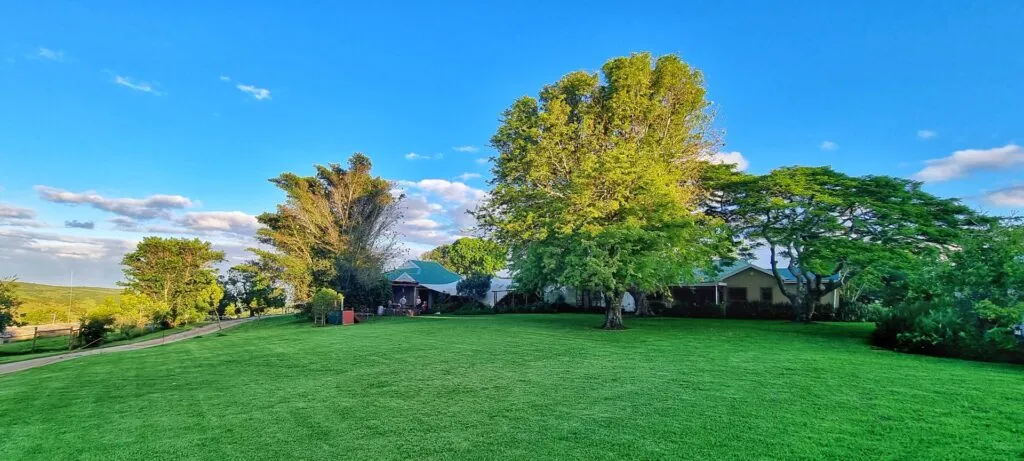
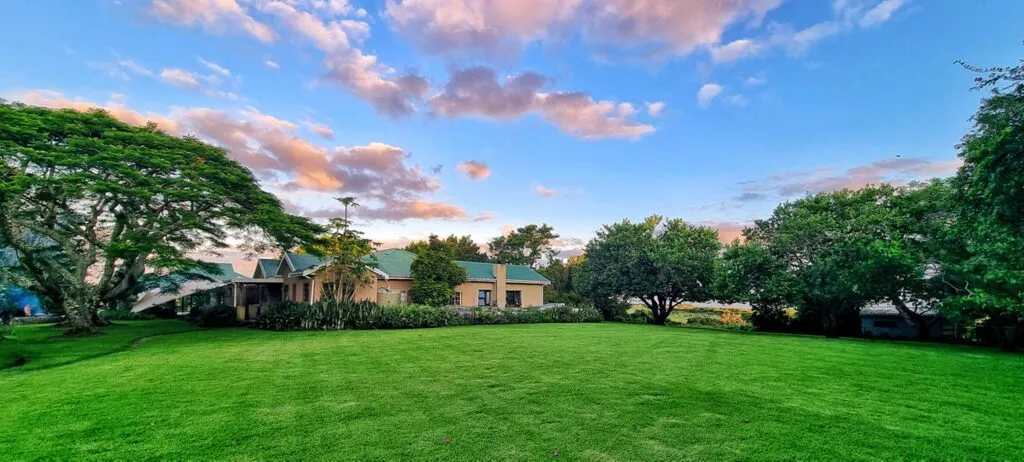
The lodge leans toward a more intimate, character-driven experience. Properties of this type along the Eastern Cape coast are often owner-operated and built around the surrounding environment rather than interior amenities. Guests tend to get direct access to local knowledge, whether that means advice on tides, recommended walks, or which sections of coast are most worth visiting at a particular time of year. The lodge category here runs slightly above the baseline nightly rate, reflecting the more personalised service model common to smaller coastal operations. Self-catering facilities are typical in this accommodation type, which means planning supplies in advance is part of the stay rather than an afterthought. The nearest general store may require a drive of 20 minutes or more, so arriving with a stocked car saves effort on the first day.
The hotel provides a more conventional structure: staffed reception, organised meal service, and predictable delivery. For visitors arriving without prior knowledge of the coast, this setup offers a reliable startingpoint. It suits shorter stays or travellers who prefer defined services over having to improvise.
At these price points, neither property is primarily selling amenities. There are no resort pools, spas, or entertainment venues in the area. What both options provide is proximity to a coastline that sees relatively low visitor traffic, together with the unhurried pace characteristic of rural Eastern Cape. Both properties also sit at some remove from the nearest town centre, which is part of their appeal. Across a longer stay, that trade-off tends to work in favour of those who came specifically for the coast. Travellers wanting more variety across property styles or price levels will find a larger market further south, but at the cost of daily drives to reach the shoreline.
## Best Time to Visit Amatola Coastal
October through April is the main travel window. Temperatures along this part of the Eastern Cape coast reach the mid-20s to low 30s Celsius through summer, warm enough for swimming and extended time outdoors. The ocean is at its most comfortable from December through February, which coincides with the South African school holidays and the highest demand for beds in the area.
Rain is a feature of summer here rather than an obstacle. Showers tend to arrive quickly and clear just as fast, and this part of the coast experiences less sustained overcast weather than wetter stretches further west. Winter, from June through August, brings cooler, drier conditions. The ocean becomes too cold for comfortable swimming, but the coast is at its quietest, making birdwatching and extended coastal walks more practical without summer visitor numbers.
March and April offer a useful middle ground: temperatures remain warm, the school holiday crowds have thinned, and accommodation is generally easier to secure than in the peak December and January weeks.
## Getting to Amatola Coastal
East London Airport is the main air entry point, with domestic flights arriving from Johannesburg, Cape Town, and Durban. From the airport, the coast lies roughly 45 minutes to an hour to the north. The N2 highway covers most of the distance before the final approach turns onto secondary roads, some of which are unpaved.
Ground clearance is worth factoring in when hiring a vehicle. A standard city car manages in dry conditions, but a vehicle with modest off-road capability handles gravel roads more comfortably after rain. Car hire is available at East London Airport from major agencies and is effectively necessary: there is no scheduled public transport serving the coastal area.
Travellers driving from Cape Town follow the N2 east through the Garden Route and into the Eastern Cape, a journey best divided across two days. From Durban, the N2 runs south through KwaZulu-Natal before crossing into the Eastern Cape, another long drive that benefits from an overnight stop. Loading fuel and supplies before leaving the main road network is advisable, as service stations become increasingly sparse once you move off the N2 corridor.
## Amatola Coastal and Surrounding Areas
Haga Haga borders Amatola Coastal directly, the two effectively sharing the same stretch of shore. The beach is used for surfing and rock fishing, and the Haga Haga River mouth provides sheltered water at low tide. Rocky sections of coast hold intertidal pools worth exploring when the tide retreats.
Ten kilometres along the coast, Gxarha is associated with Nonggawuse, the Xhosa prophetess whose visions in the 1850s triggered the cattle-killing movement, an event that devastated the Xhosa people and accelerated British colonial control over the Eastern Cape. The site near the Gxarha River mouth holds considerable historical significance for travellers with an interest in South African history, and the natural setting where the river meets the sea is worth visiting in its own right.
Morgans Bay, also around 10 kilometres from Amatola Coastal, is a small holiday village on the Kwelera River lagoon. The calm lagoon water suits families or those preferring sheltered swimming over open ocean surf. A bar and small shops make it a reasonable option for an afternoon outing or an evening meal.
Cambridge and East London, both approximately 42 kilometres to the south, supply the urban services the coastal area lacks: supermarkets, fuel stations, hospitals, ATMs, and a range of restaurants. Most visitors staying on the coast make at least one supply run into the city during a multi-night stay.
Maxambeni, around 48 kilometres from Amatola Coastal, sits in the Eastern Cape interior rather than along the coast. The area is predominantly rural and Xhosa-speaking, representative of much of the province inland. It is not a visitor destination in the conventional sense, but travellers heading further north toward the Wild Coast pass through similar territory.
## Planning Your Stay
Two properties means availability narrows quickly, particularly over December, January, and South African public holiday weekends. Booking six to eight weeks ahead covers most peak periods. Outside those windows, two to three weeks of lead time is usually workable.
When reviewing properties, look beyond the headline nightly rate. Check whether meals are included, particularly dinner, since options nearby may be limited. Review the cancellation policy before confirming: remote coastal properties sometimes apply stricter terms than urban hotels, and circumstances can change. Asking in advance whether the property has reliable Wi-Fi or a landline is worth the query if connectivity matters to the trip.
Cash is practical to carry. Some local businesses and roadside stops in the coastal area do not accept card payments reliably, and ATMs are not available locally. Loading cash before leaving the main road network removes that problem.
Medical facilities are not close to the coast, and hospital access requires a significant drive. Travel insurance with medical evacuation cover is worth considering, particularly for families or older visitors. Cell reception is inconsistent in parts of the coast, so downloading offline maps before departure avoids navigation difficulties when data connectivity drops.