


Dikgalaopeng Accommodation
Showing 1 - 1 of 1 results
White House Guesthouse
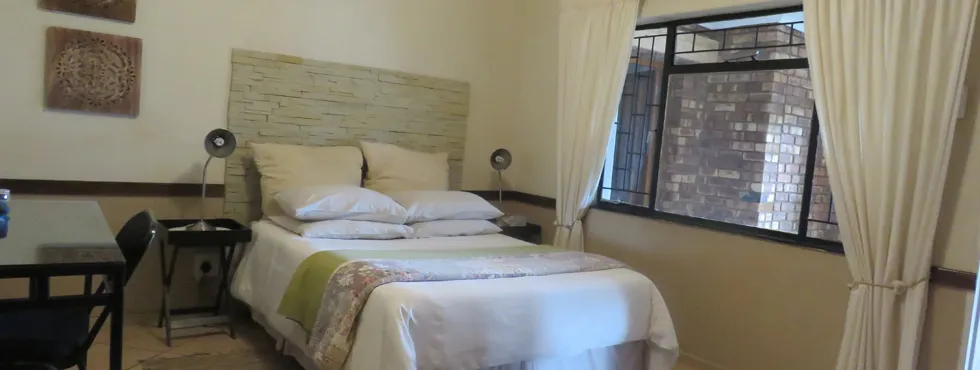
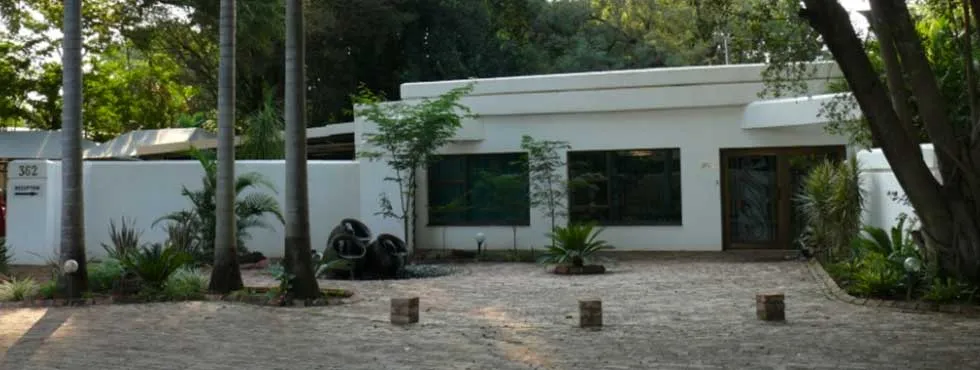
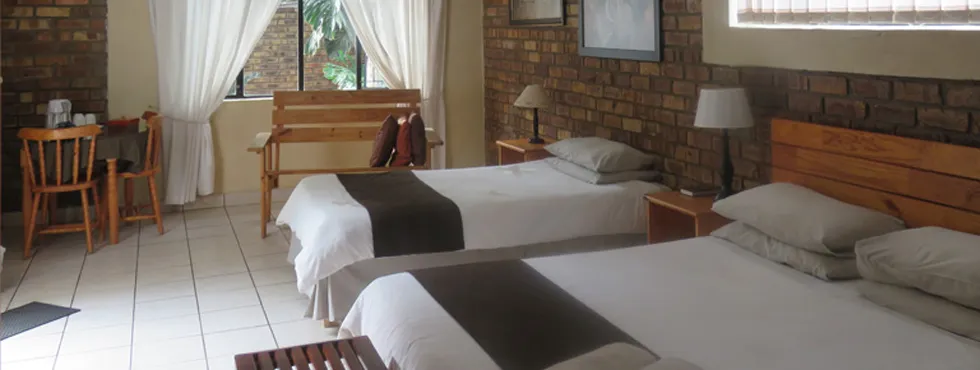
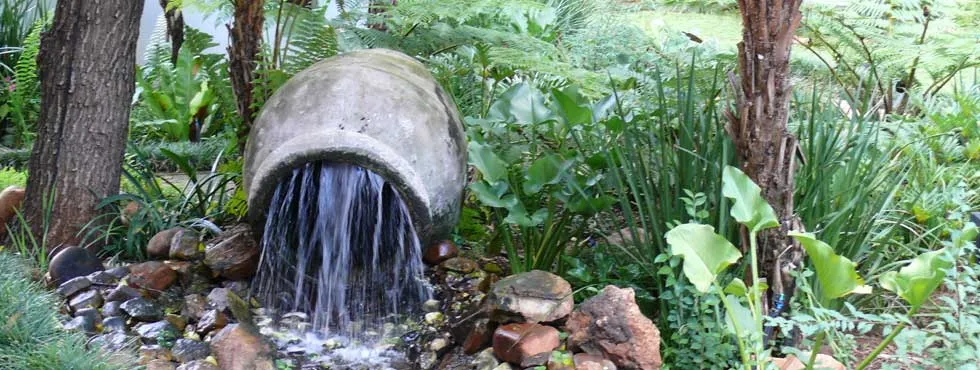
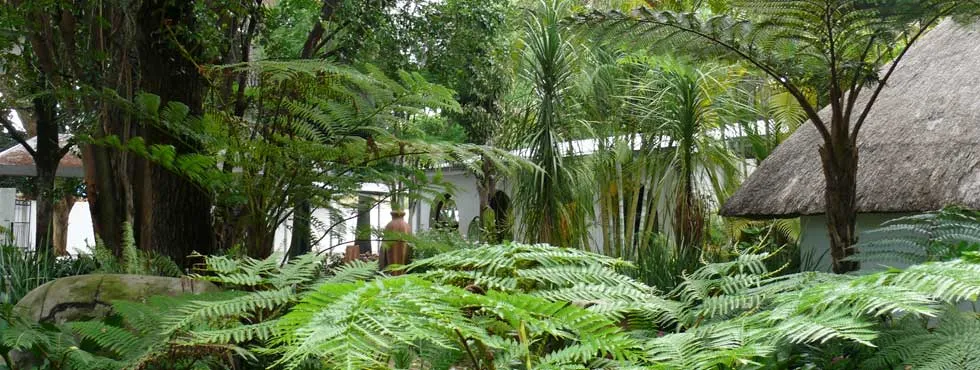
White House Guesthouse in Marble Hall, Limpopo, provides charming, tranquil accommodation in quiet, peaceful surroundings. Operating since 2000, the property has 23 en-suite bedrooms, a fully licenced à la carte restaurant with a wood-burning pizza oven, and a pub and grill.
Air Conditioning
White House Guesthouse
Guesthouse
Air Conditioning
About Dikgalaopeng
Dikgalaopeng is a small village in the Capricorn District of Limpopo, positioned in the rural heartland between Polokwane and the Botswana border. The area offers visitors access to authentic local culture and serves as a base for exploring the wider region's wildlife reserves and traditional communities.
Dikgalaopeng sits in the northern reaches of South Africa's Limpopo Province, where the landscape transitions between bushveld and grassland. The village falls under the Molemole Local Municipality and represents one of many rural settlements that characterize this part of the country. Daily life here revolves around agriculture and livestock farming, with maize fields and cattle kraals forming part of the local economy.
The climate in this region is typical of the Lowveld, with hot, wet summers from November through March and mild, dry winters. Temperatures can exceed 35 degrees Celsius during summer months, while winter nights occasionally drop to single digits. Rain arrives mainly through afternoon thunderstorms in the summer season, turning the landscape green and filling seasonal watercourses.
Visitors seeking Dikgalaopeng accommodation will find the area useful for accessing nearby attractions in the broader Capricorn region. Polokwane, the provincial capital, lies roughly 80 kilometers to the southeast and provides shopping, restaurants, and the Polokwane Game Reserve. The village's location also allows for day trips to places like the Makgabeng Plateau with its ancient rock art sites, or the various game farms and nature reserves scattered throughout the district.
The cultural landscape here reflects the traditions of the Northern Sotho people, with many residents speaking Sepedi as their first language. Local markets occasionally offer crafts and traditional foods, giving visitors insight into rural South African life. The pace is slow compared to urban centers, and interactions with community members can provide genuine cultural exchange for those interested in understanding life beyond the tourist circuits.
Travelers should note that this is a rural area with limited commercial infrastructure. Basic supplies are available locally, but specialized needs require trips to larger towns. The roads connecting to main routes are generally accessible by standard vehicles, though a high-clearance vehicle can be advantageous during the rainy season. Mobile phone coverage exists but may be inconsistent in some areas.
Dikgalaopeng sits in the northern reaches of South Africa's Limpopo Province, where the landscape transitions between bushveld and grassland. The village falls under the Molemole Local Municipality and represents one of many rural settlements that characterize this part of the country. Daily life here revolves around agriculture and livestock farming, with maize fields and cattle kraals forming part of the local economy.
The climate in this region is typical of the Lowveld, with hot, wet summers from November through March and mild, dry winters. Temperatures can exceed 35 degrees Celsius during summer months, while winter nights occasionally drop to single digits. Rain arrives mainly through afternoon thunderstorms in the summer season, turning the landscape green and filling seasonal watercourses.
Visitors seeking Dikgalaopeng accommodation will find the area useful for accessing nearby attractions in the broader Capricorn region. Polokwane, the provincial capital, lies roughly 80 kilometers to the southeast and provides shopping, restaurants, and the Polokwane Game Reserve. The village's location also allows for day trips to places like the Makgabeng Plateau with its ancient rock art sites, or the various game farms and nature reserves scattered throughout the district.
The cultural landscape here reflects the traditions of the Northern Sotho people, with many residents speaking Sepedi as their first language. Local markets occasionally offer crafts and traditional foods, giving visitors insight into rural South African life. The pace is slow compared to urban centers, and interactions with community members can provide genuine cultural exchange for those interested in understanding life beyond the tourist circuits.
Travelers should note that this is a rural area with limited commercial infrastructure. Basic supplies are available locally, but specialized needs require trips to larger towns. The roads connecting to main routes are generally accessible by standard vehicles, though a high-clearance vehicle can be advantageous during the rainy season. Mobile phone coverage exists but may be inconsistent in some areas.