


Augrabies Accommodation
Showing 1 - 1 of 1 results
Falls Guest House
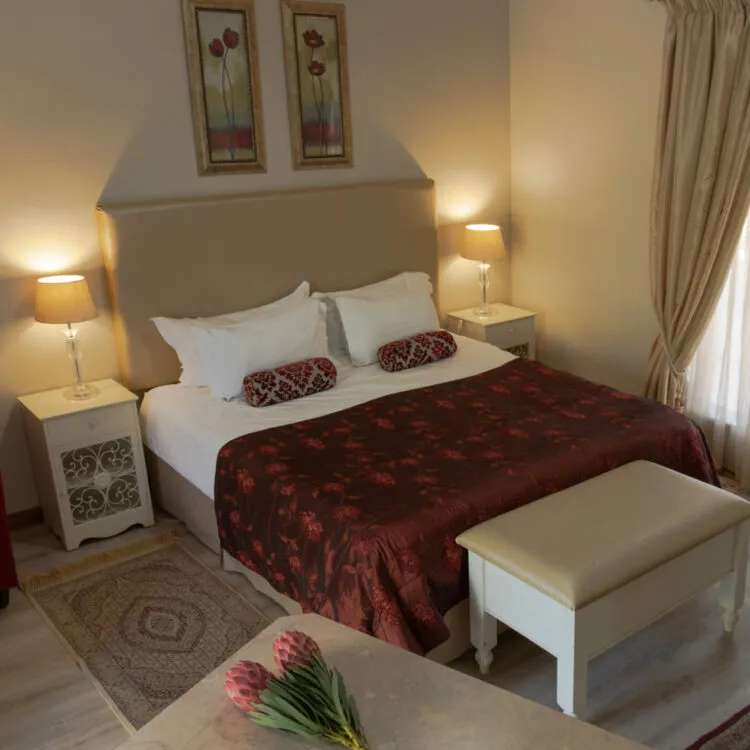


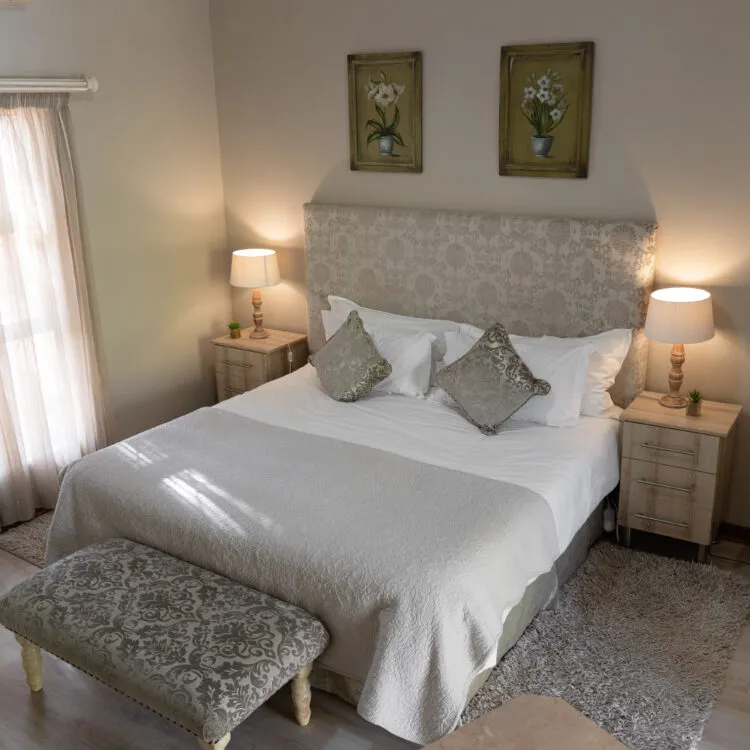
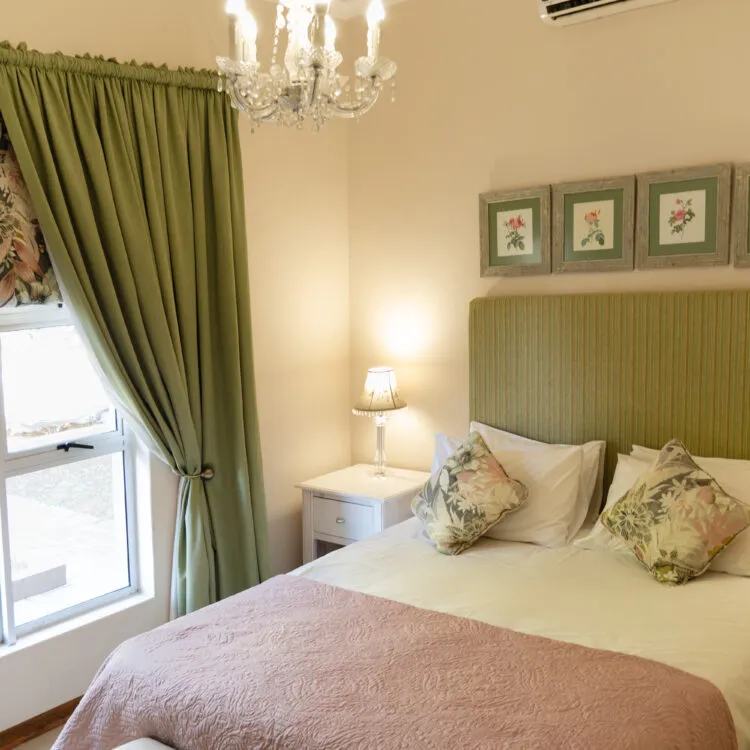
Falls Guest House is a four-star accommodation on the doorstep of Augrabies Waterfalls National Park in the Northern Cape's Kalahari region, offering six individually decorated units surrounded by vineyards and sweeping landscapes.
Air Conditioning
Falls Guest House
Guesthouse
Air Conditioning
About Augrabies
Augrabies offers a unique experience with its dramatic waterfalls and expansive natural park. The area features diverse wildlife and opportunities for outdoor exploration in a semi-arid landscape. Visitors can enjoy the raw beauty of the Orange River and its surrounding environment.
Augrabies is a small town in the Northern Cape province, centered around the impressive Augrabies Falls. The falls drop about 56 meters into a gorge, creating a powerful display of water and rock formations that attract nature enthusiasts. The site is part of the Augrabies Falls National Park, which covers over 56,000 hectares and includes various hiking trails for different fitness levels. The park's ecosystem supports a range of animals, such as klipspringers and Hartmann's mountain zebras.
The Orange River flows through the region, providing a vital water source and supporting local agriculture. Historical sites near Augrabies include San rock art, which offers insights into ancient human activity in the area. The town's economy relies on tourism and farming, with the national park serving as a key draw for visitors seeking tranquility and adventure. Distances from major cities are manageable, with Upington about 100 kilometers away and Kimberley roughly 400 kilometers to the east.
In the national park, activities include birdwatching and guided walks that highlight the area's geological features. Augrabies accommodation options range from basic campsites to lodges, allowing travelers to choose based on their preferences. The semi-desert climate means summers can be hot, while winters bring cooler temperatures, making it ideal for year-round visits with proper preparation. Local communities offer cultural experiences, such as learning about traditional farming methods.
Conservation efforts in the park focus on protecting the unique biodiversity, including rare plant species adapted to the arid conditions. The falls are most spectacular after rainy seasons, when water volume increases, altering the landscape temporarily.
Augrabies is a small town in the Northern Cape province, centered around the impressive Augrabies Falls. The falls drop about 56 meters into a gorge, creating a powerful display of water and rock formations that attract nature enthusiasts. The site is part of the Augrabies Falls National Park, which covers over 56,000 hectares and includes various hiking trails for different fitness levels. The park's ecosystem supports a range of animals, such as klipspringers and Hartmann's mountain zebras.
The Orange River flows through the region, providing a vital water source and supporting local agriculture. Historical sites near Augrabies include San rock art, which offers insights into ancient human activity in the area. The town's economy relies on tourism and farming, with the national park serving as a key draw for visitors seeking tranquility and adventure. Distances from major cities are manageable, with Upington about 100 kilometers away and Kimberley roughly 400 kilometers to the east.
In the national park, activities include birdwatching and guided walks that highlight the area's geological features. Augrabies accommodation options range from basic campsites to lodges, allowing travelers to choose based on their preferences. The semi-desert climate means summers can be hot, while winters bring cooler temperatures, making it ideal for year-round visits with proper preparation. Local communities offer cultural experiences, such as learning about traditional farming methods.
Conservation efforts in the park focus on protecting the unique biodiversity, including rare plant species adapted to the arid conditions. The falls are most spectacular after rainy seasons, when water volume increases, altering the landscape temporarily.