


Hiking in Van Dyks Bay
Showing 1 - 1 of 1 results
Farm215
From
R 2,675
Per unit per night in February
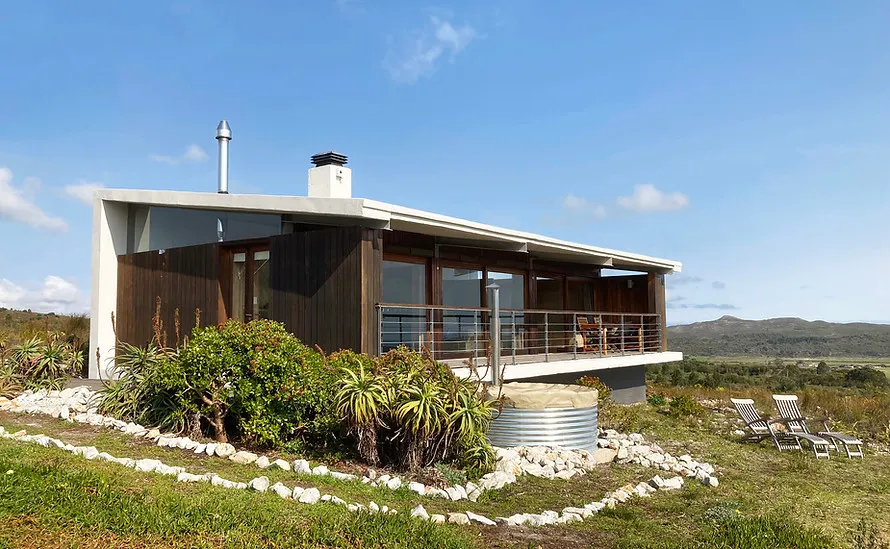
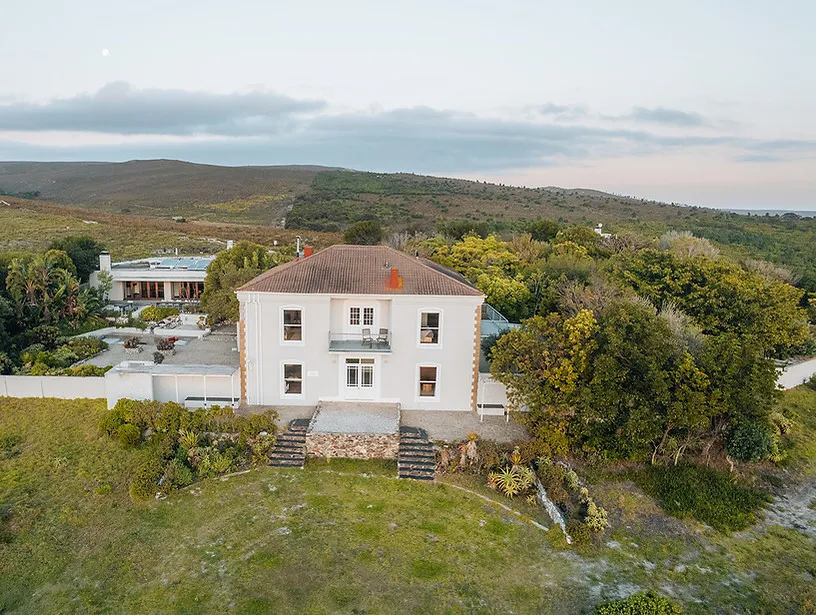
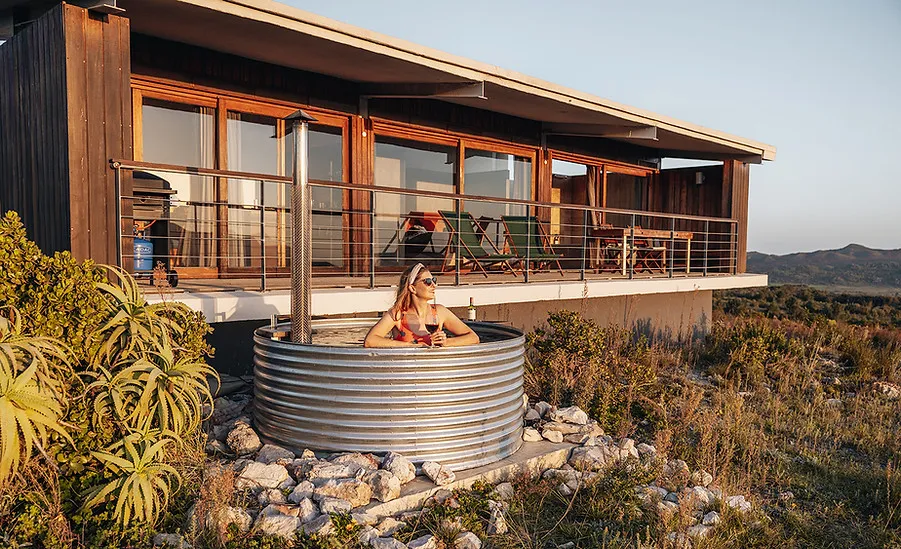
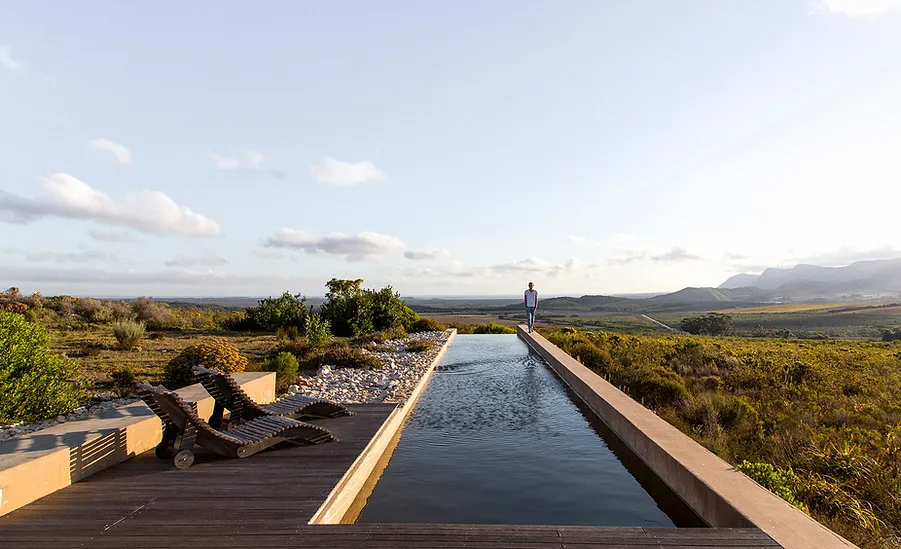
Farm215 is self-catering accommodation on an 800 hectare private nature reserve in the South African Overberg. No more than 20 guests are on the reserve at any one time, across the Fynbos Suites, House 215, and Fynbos Hill.
Wi-Fi
Full Kitchen
Hiking
Farm215
Self-catering
From
R 2,675
Per unit per night in February
Wi-Fi
Full Kitchen
Hiking
About Van Dyks Bay
Van Dyks Bay is a small coastal settlement along South Africa's Western Cape coast, positioned between Gansbaai and Pearly Beach. This quiet hamlet offers direct access to rocky shores and sandy stretches, appealing to visitors seeking a low-key coastal retreat away from commercial tourism hubs.
Van Dyks Bay sits approximately 170 kilometres southeast of Cape Town along the R43 coastal route. The area forms part of the Overstrand region, known for its dramatic coastline where the Atlantic and Indian Oceans meet. The settlement itself remains largely residential, with holiday homes dotting the landscape above the shoreline. The bay's rocky outcrops and tidal pools attract those interested in exploring marine life during low tide, while the beaches provide space for walking and fishing.
The surrounding region offers several attractions within easy driving distance. Gansbaai, located about 15 kilometres to the east, serves as the great white shark cage diving capital of South Africa and provides restaurants, shops, and tour operators. Walker Bay, famous for southern right whale sightings between June and November, lies nearby. The coastal town of Hermanus, roughly 40 kilometres away, hosts the annual whale festival and offers a more developed tourism infrastructure.
Van Dyks Bay accommodation typically consists of self-catering holiday homes and guesthouses designed for families or small groups. The area lacks hotels and resorts, maintaining its residential character. Visitors should plan to bring supplies from larger towns, as the immediate vicinity has limited commercial facilities. The quiet nature of the settlement appeals to those who prefer a home-base approach to exploring the Overberg coast.
Activities in the area centre on coastal and nature experiences. The nearby De Kelders caves, inhabited by early humans thousands of years ago, provide archaeological interest. Birdwatching opportunities exist along the coast, particularly for seabirds and waders. Hiking trails in the greater Walker Bay Nature Reserve offer routes through fynbos vegetation with ocean views. The relatively undeveloped coastline means visitors can often find secluded spots along the shore.
The climate follows typical Western Cape patterns, with mild, wet winters and warm, dry summers. Summer months from December to February bring the most visitors, though the shoulder seasons of spring and autumn offer pleasant temperatures and fewer crowds. Wind can be a factor year-round, typical of this exposed coastal stretch. Those planning extended stays should consider the area's remote character and plan accordingly for groceries, fuel, and other necessities available in nearby towns.
Van Dyks Bay sits approximately 170 kilometres southeast of Cape Town along the R43 coastal route. The area forms part of the Overstrand region, known for its dramatic coastline where the Atlantic and Indian Oceans meet. The settlement itself remains largely residential, with holiday homes dotting the landscape above the shoreline. The bay's rocky outcrops and tidal pools attract those interested in exploring marine life during low tide, while the beaches provide space for walking and fishing.
The surrounding region offers several attractions within easy driving distance. Gansbaai, located about 15 kilometres to the east, serves as the great white shark cage diving capital of South Africa and provides restaurants, shops, and tour operators. Walker Bay, famous for southern right whale sightings between June and November, lies nearby. The coastal town of Hermanus, roughly 40 kilometres away, hosts the annual whale festival and offers a more developed tourism infrastructure.
Van Dyks Bay accommodation typically consists of self-catering holiday homes and guesthouses designed for families or small groups. The area lacks hotels and resorts, maintaining its residential character. Visitors should plan to bring supplies from larger towns, as the immediate vicinity has limited commercial facilities. The quiet nature of the settlement appeals to those who prefer a home-base approach to exploring the Overberg coast.
Activities in the area centre on coastal and nature experiences. The nearby De Kelders caves, inhabited by early humans thousands of years ago, provide archaeological interest. Birdwatching opportunities exist along the coast, particularly for seabirds and waders. Hiking trails in the greater Walker Bay Nature Reserve offer routes through fynbos vegetation with ocean views. The relatively undeveloped coastline means visitors can often find secluded spots along the shore.
The climate follows typical Western Cape patterns, with mild, wet winters and warm, dry summers. Summer months from December to February bring the most visitors, though the shoulder seasons of spring and autumn offer pleasant temperatures and fewer crowds. Wind can be a factor year-round, typical of this exposed coastal stretch. Those planning extended stays should consider the area's remote character and plan accordingly for groceries, fuel, and other necessities available in nearby towns.