


Tulbagh Hot-springs Accommodation
Filter by type of accommodation
Discover 2 accommodation options in Tulbagh with an average price of R2,135 per night for your perfect getaway. Whether you're looking for luxury hotels, cozy guesthouses, self-catering apartments, or budget-friendly B&Bs, Tulbagh offers diverse lodging choices to suit every traveler's needs and budget.
Planning your Tulbagh adventure? With prices averaging around R2,135 per night, you can find accommodation near popular attractions, business centers, and transport hubs. Book your ideal Tulbagh stay today and experience the best of what this destination has to offer.
R 1,150
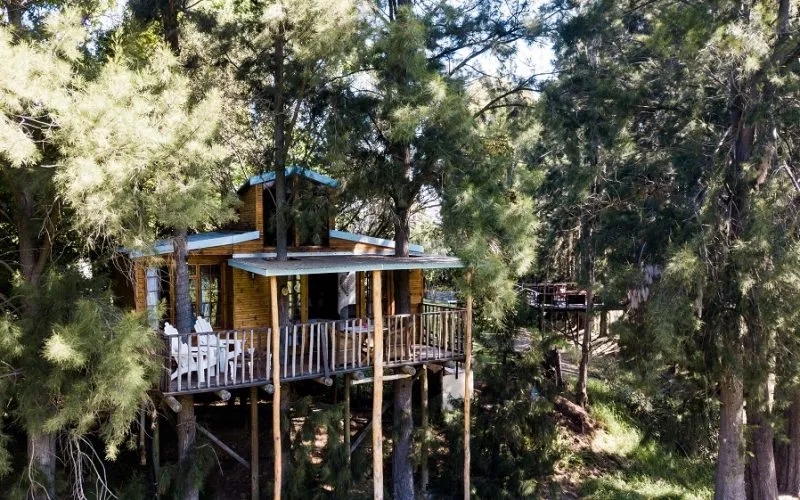
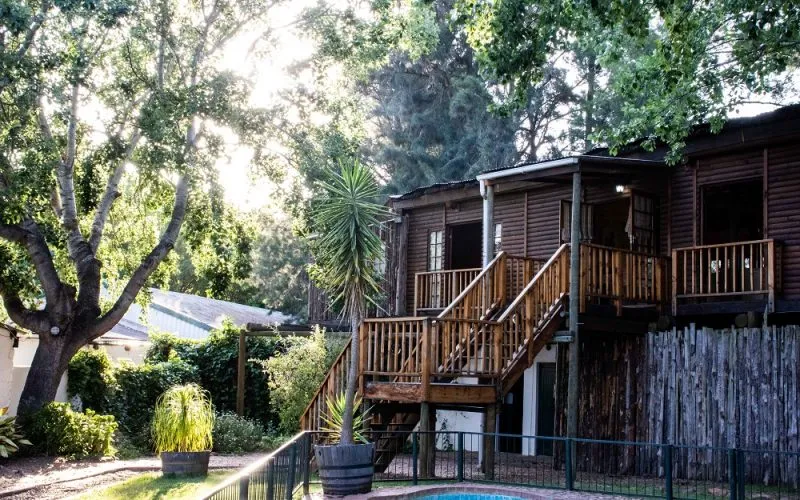
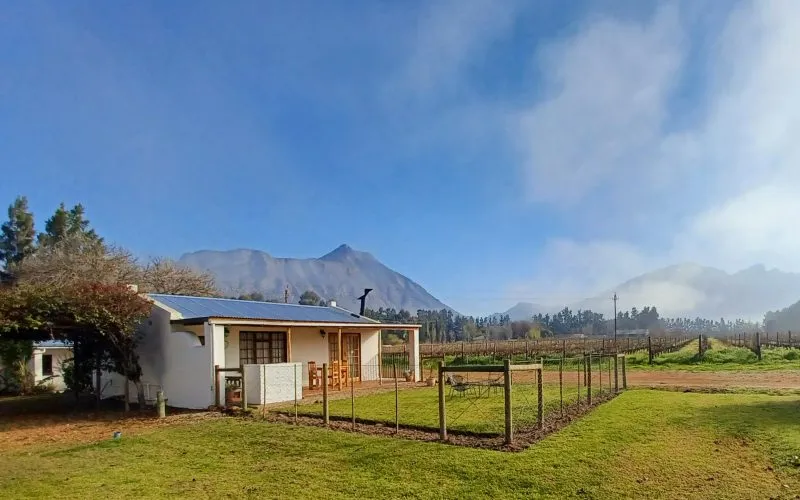

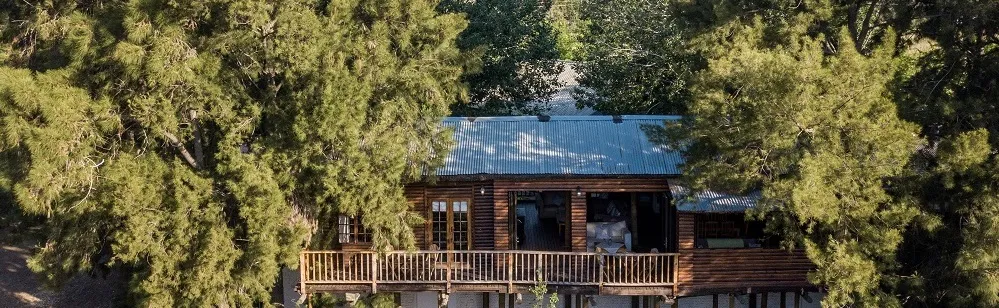
Vindoux is a family-run guest farm in the foothills of the Saronsberg Mountains, just outside Tulbagh, offering accommodation in luxury treehouses, a self-catering Tree Lodge, and five self-catering cottages, with a day spa and large pool.
Eikelaan Farm
R 655
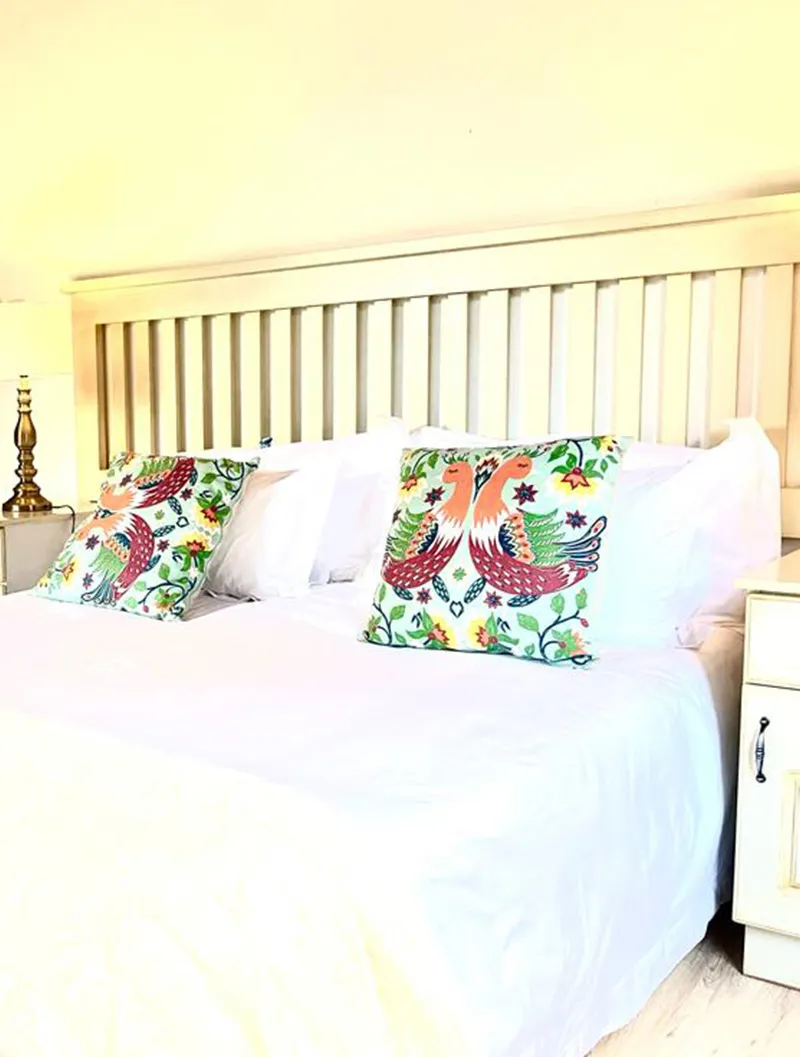
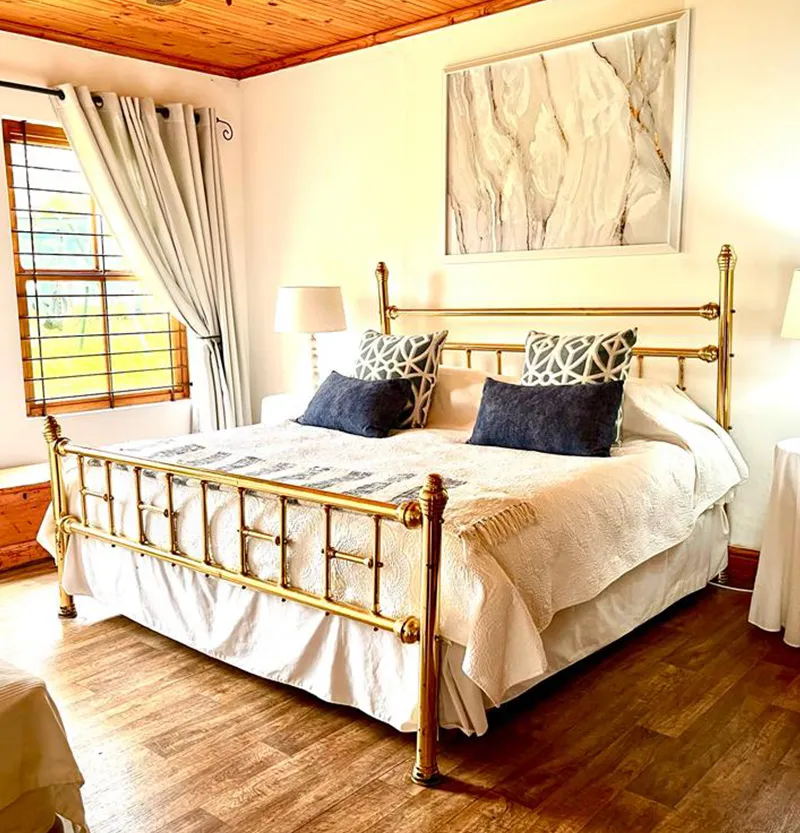
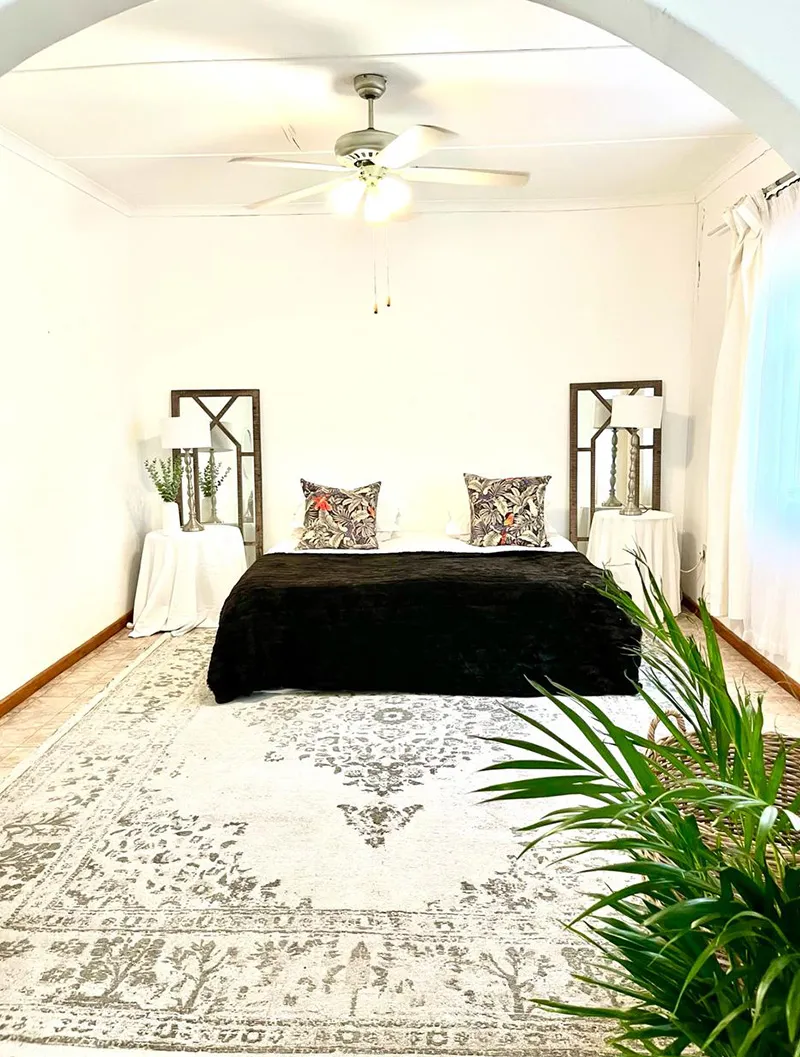
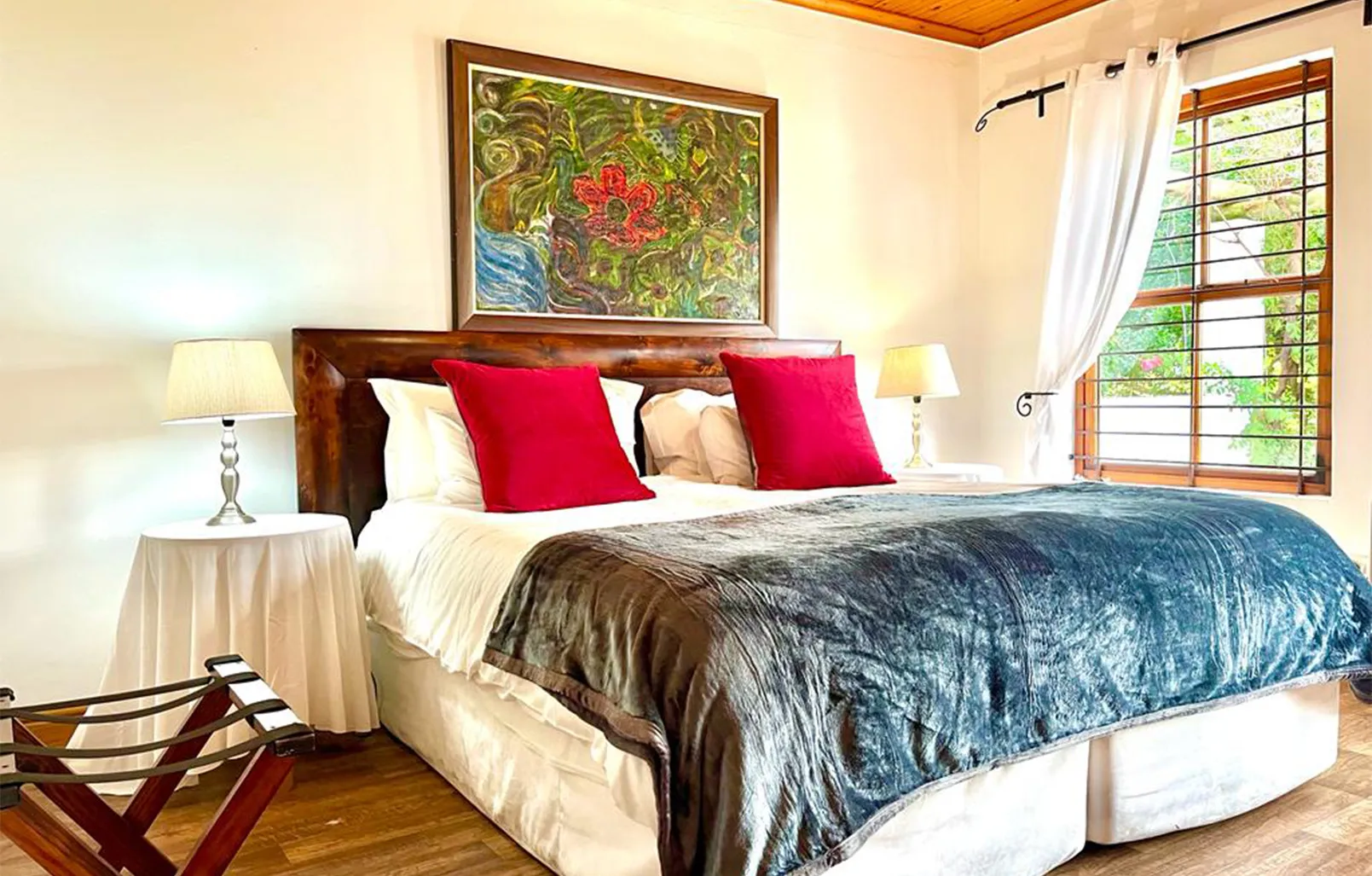
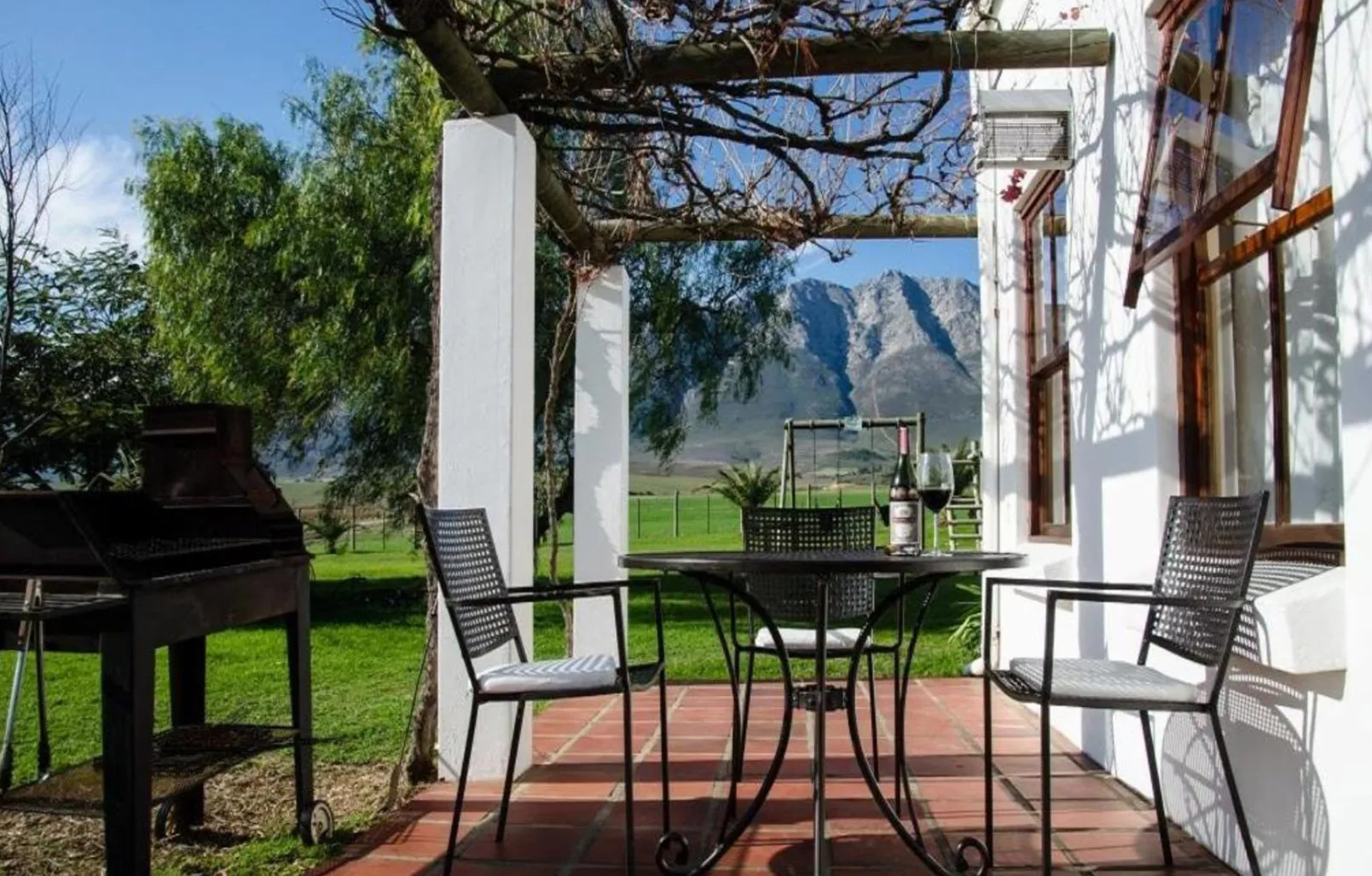
Eikelaan Farm Cottages provide self-catering accommodation in the heart of Cape Winelands. Full equipped and spotlessly clean, the cottages have indoor fireplaces and air-conditioning. Generator available to escape loadshedding. Just 90 minutes from Cape Town.
About Tulbagh
Tulbagh is a small town in the Western Cape that dates back to the 18th century when it was established as a Dutch colonial settlement. The town centre, particularly Church Street, showcases a collection of Cape Dutch and Georgian style houses, many of which have been restored after the 1969 earthquake. This event led to significant rebuilding efforts that preserved the area's architectural character. The surrounding landscape includes the Winterberg Mountains, providing a backdrop for the town's orchards and vineyards.
Key attractions in Tulbagh include the Tulbagh Museum, which occupies a historic building and displays artefacts from the region's past. Visitors often walk along Church Street to admire the whitewashed walls and thatched roofs of the old homes. The Oorlogskloof Nature Reserve lies about 20 kilometres away, offering hiking trails through fynbos vegetation and chances to spot local wildlife such as baboons and antelope. The town's proximity to the Breede River Valley also makes it a spot for birdwatching.
Outdoor activities in Tulbagh revolve around its natural setting, with options for mountain biking and picnicking in the nearby hills. The climate is Mediterranean, meaning mild winters and warm summers that suit outdoor pursuits. Local events, such as the annual Tulbagh Spring Festival, highlight the area's agricultural produce. Finding Tulbagh accommodation can involve choices like guesthouses in restored farmhouses, providing comfortable stays with views of the vineyards. The slower pace of life here contrasts with busier urban areas.
The economy of Tulbagh relies on agriculture, particularly wine and fruit production, with several estates offering tours and tastings. Historical figures like Governor Ryk Tulbagh, after whom the town is named, played a role in its development during the 18th century. This blend of history and nature makes the town a practical destination for travellers interested in South African heritage.