


Hiking in Kuschke
Showing 1 - 1 of 1 results
Protea Hotel by Marriott Polokwane Ranch Resort
Hotel in Eerstegoud, Waterberg
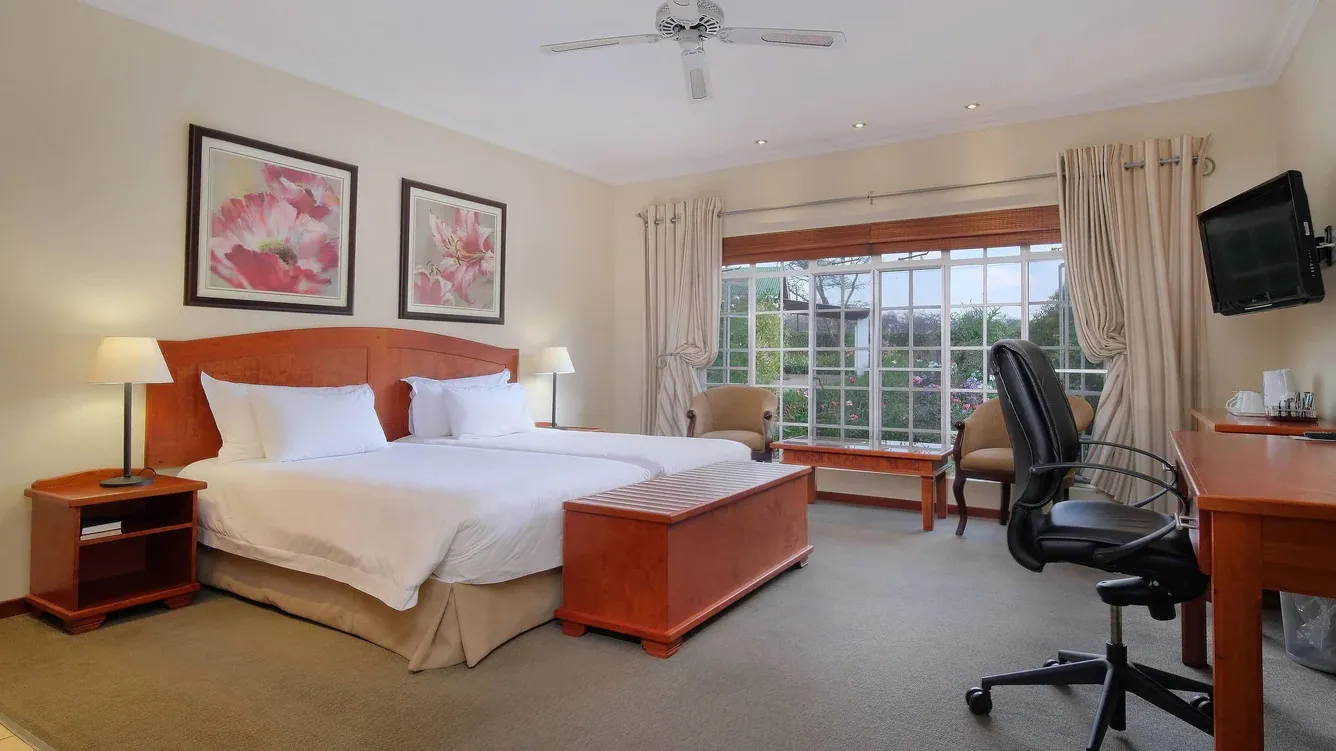
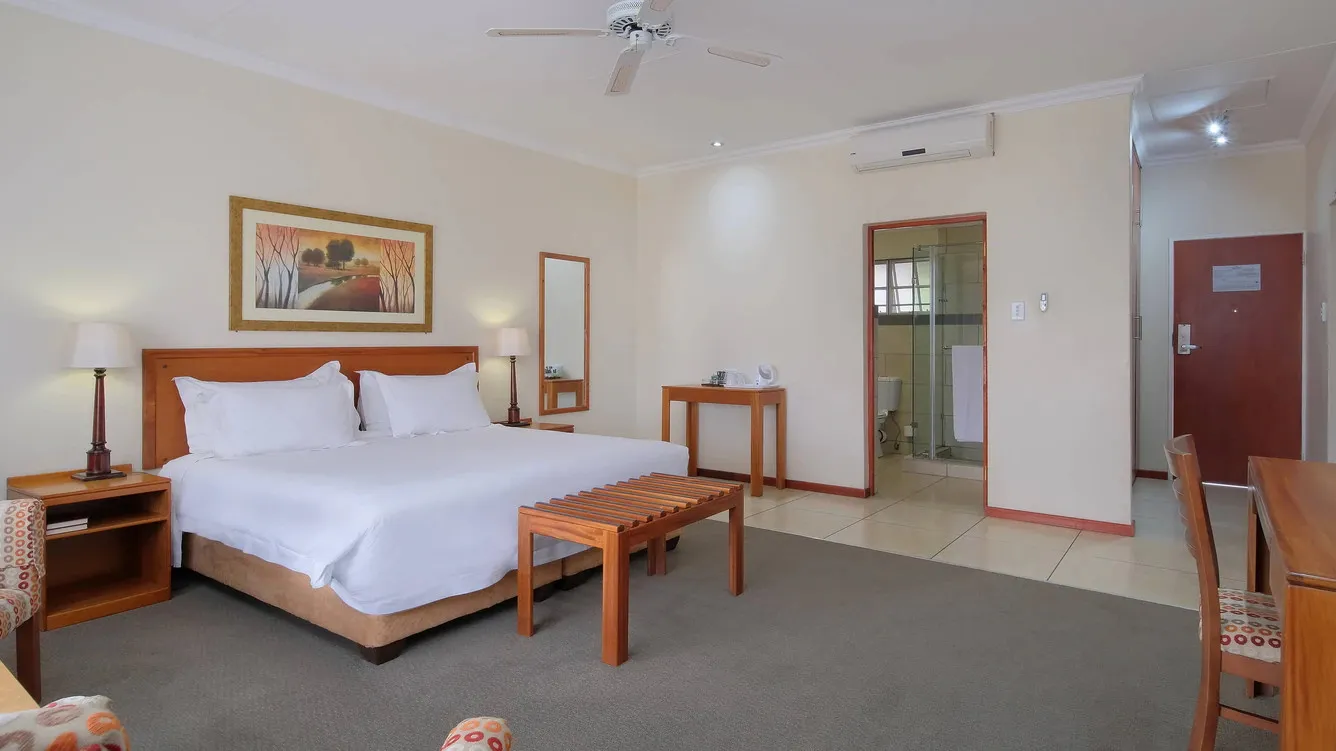
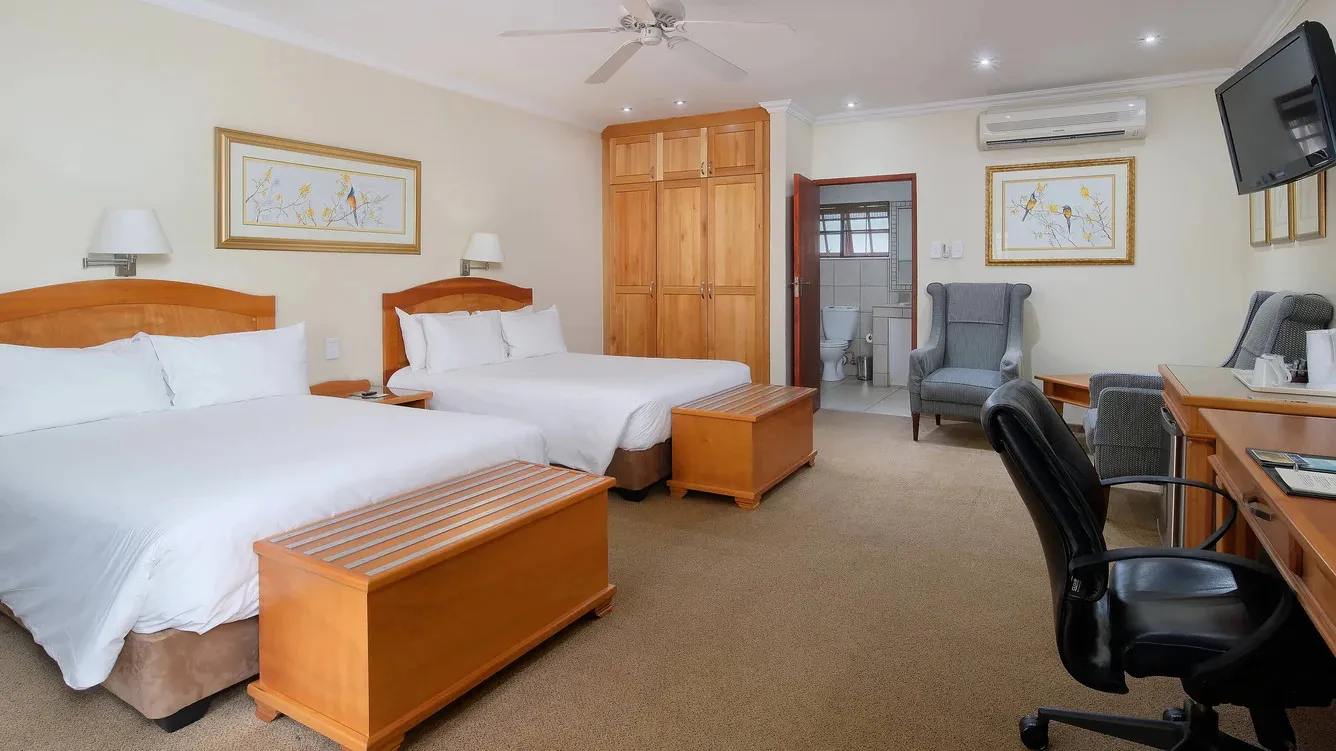
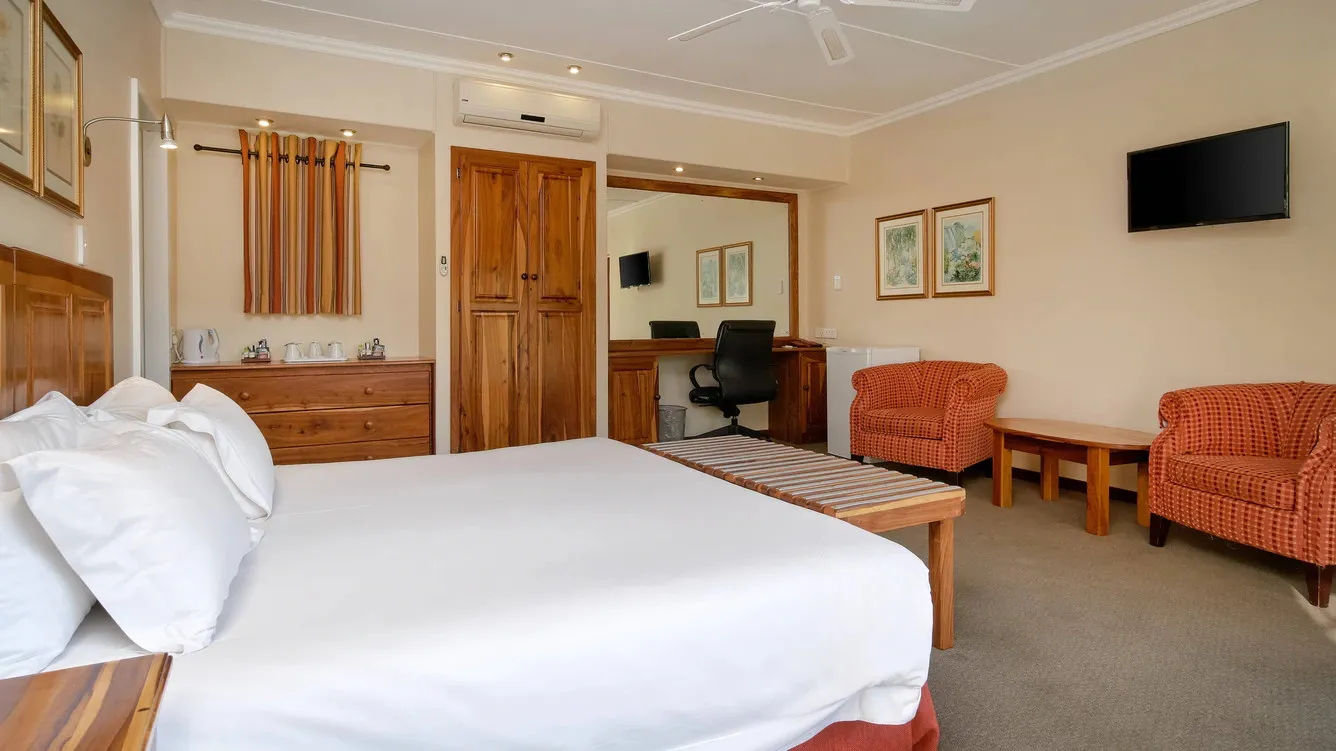
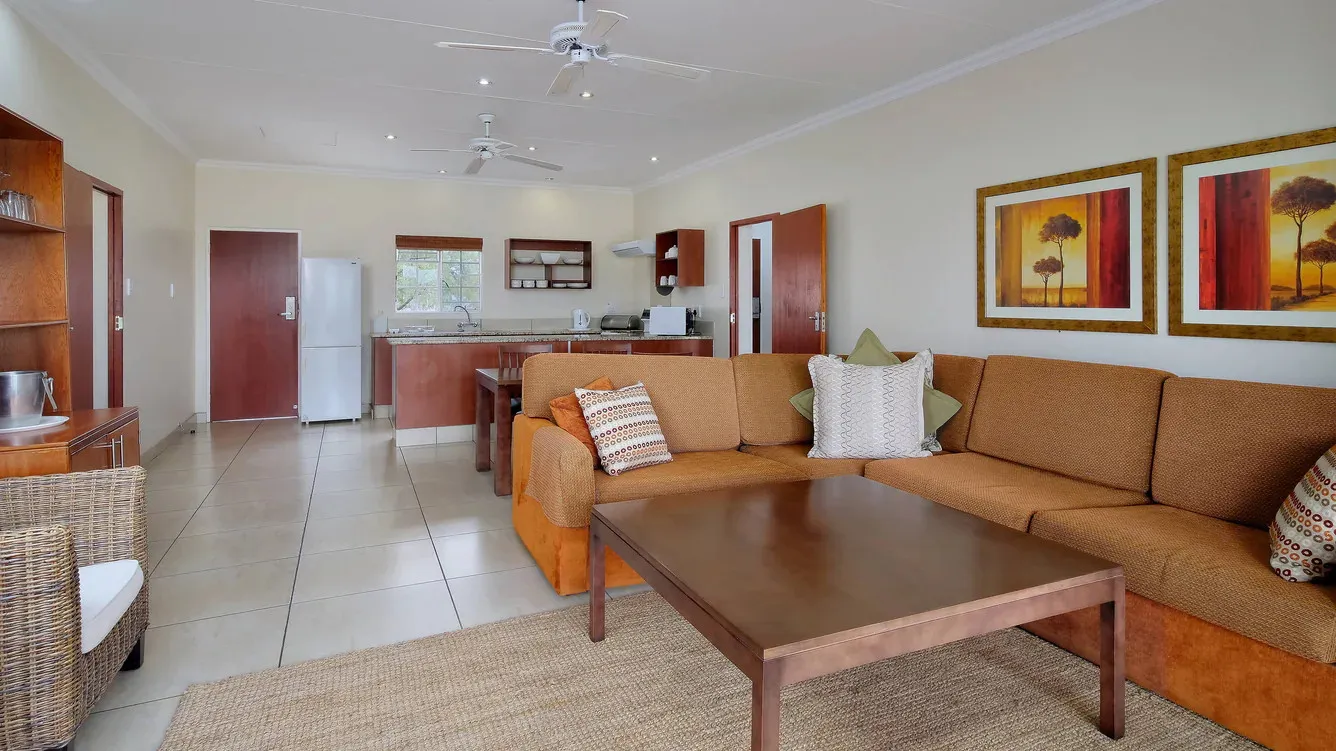
Nestled in Limpopo's lush 1000ha conservancy, Ranch Resort offers exceptional accommodation for holiday seekers. Explore thrilling game drives, luxurious golf, and fine dining, all just 2.5 hours from Johannesburg's hustle.
Swimming Pool
Hiking
About Kuschke
Kuschke is a small rural settlement in the Limpopo Province, positioned in the lowveld region between Tzaneen and Phalaborwa. The area serves as a quiet base for visitors exploring the greater Kruger National Park region and the agricultural landscapes of the Mopani District.
Kuschke sits in the warm lowveld terrain of Limpopo, where the landscape transitions from cultivated farmlands to bushveld vegetation. The settlement falls within the Mopani District Municipality, an area known for its subtropical climate and proximity to some of South Africa's most significant conservation areas. The region experiences hot, wet summers and mild, dry winters, typical of the lowveld climate zone.
The surrounding area is predominantly agricultural, with local farming activities including subtropical fruit cultivation and cattle ranching. The nearby town of Gravelotte, roughly 20 kilometres to the south, provides basic services and supplies. Phalaborwa, approximately 50 kilometres northeast, offers more comprehensive amenities and serves as the main commercial hub for the region. This mining town also provides one of the key access points to the central section of Kruger National Park.
Visitors staying in the area often use it as a launching point for day trips into Kruger National Park, particularly the Phalaborwa Gate which provides access to excellent wildlife viewing opportunities. The park's central region is known for elephant populations and diverse birdlife along the Olifants and Letaba rivers. The drive to the gate takes under an hour, making early morning game drives feasible for those seeking Kuschke accommodation as an alternative to staying within the park itself.
The broader region offers several other attractions within reasonable driving distance. The Hans Merensky Nature Reserve lies to the northwest, featuring hot springs and walking trails through riverine forest. Hoedspruit, about 90 kilometres to the west, hosts wildlife rehabilitation centres and offers additional access routes to Kruger. The area's rural character means visitors should come prepared with supplies and fuel, as services are limited compared to larger towns.
The lowveld climate brings summer rainfall between November and March, turning the landscape green and filling seasonal watercourses. Winter months from May to August offer cooler temperatures and clearer skies, considered optimal for wildlife viewing in nearby reserves. Road conditions in the area are generally acceptable, though some farm roads may require higher clearance vehicles during wet periods.
Kuschke sits in the warm lowveld terrain of Limpopo, where the landscape transitions from cultivated farmlands to bushveld vegetation. The settlement falls within the Mopani District Municipality, an area known for its subtropical climate and proximity to some of South Africa's most significant conservation areas. The region experiences hot, wet summers and mild, dry winters, typical of the lowveld climate zone.
The surrounding area is predominantly agricultural, with local farming activities including subtropical fruit cultivation and cattle ranching. The nearby town of Gravelotte, roughly 20 kilometres to the south, provides basic services and supplies. Phalaborwa, approximately 50 kilometres northeast, offers more comprehensive amenities and serves as the main commercial hub for the region. This mining town also provides one of the key access points to the central section of Kruger National Park.
Visitors staying in the area often use it as a launching point for day trips into Kruger National Park, particularly the Phalaborwa Gate which provides access to excellent wildlife viewing opportunities. The park's central region is known for elephant populations and diverse birdlife along the Olifants and Letaba rivers. The drive to the gate takes under an hour, making early morning game drives feasible for those seeking Kuschke accommodation as an alternative to staying within the park itself.
The broader region offers several other attractions within reasonable driving distance. The Hans Merensky Nature Reserve lies to the northwest, featuring hot springs and walking trails through riverine forest. Hoedspruit, about 90 kilometres to the west, hosts wildlife rehabilitation centres and offers additional access routes to Kruger. The area's rural character means visitors should come prepared with supplies and fuel, as services are limited compared to larger towns.
The lowveld climate brings summer rainfall between November and March, turning the landscape green and filling seasonal watercourses. Winter months from May to August offer cooler temperatures and clearer skies, considered optimal for wildlife viewing in nearby reserves. Road conditions in the area are generally acceptable, though some farm roads may require higher clearance vehicles during wet periods.