


Bird Watching in Ga-papo
Showing 1 - 1 of 1 results
Kuhestan Organic Farm
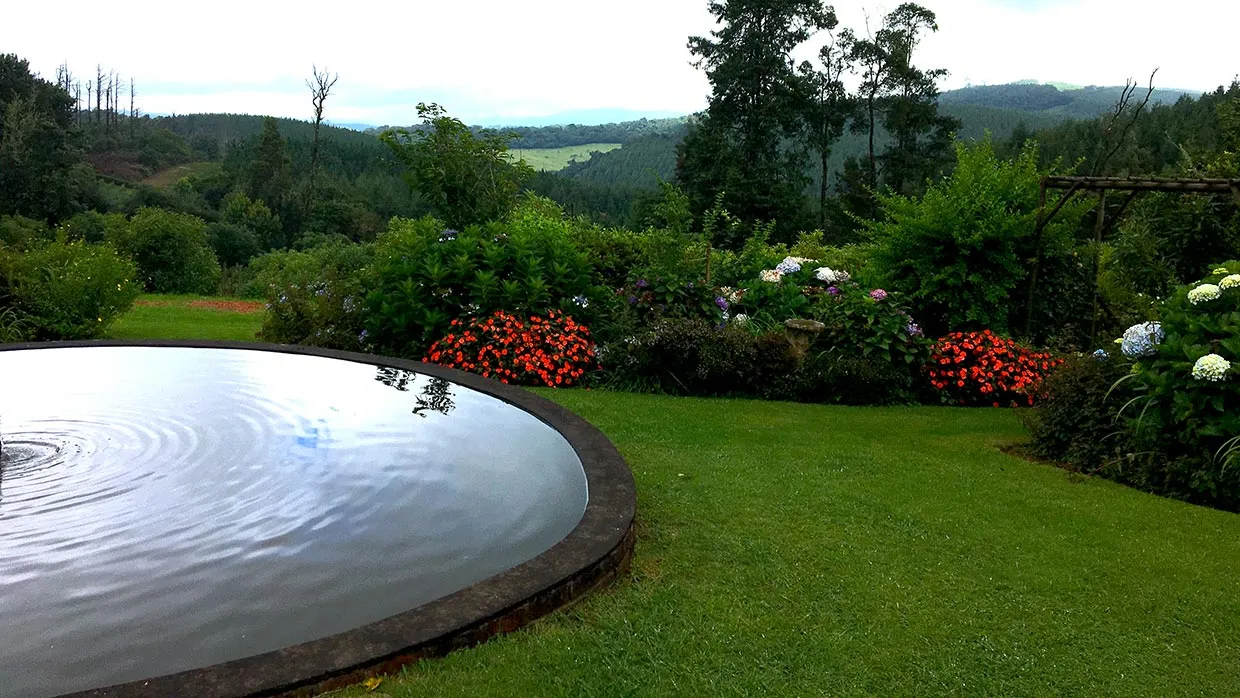
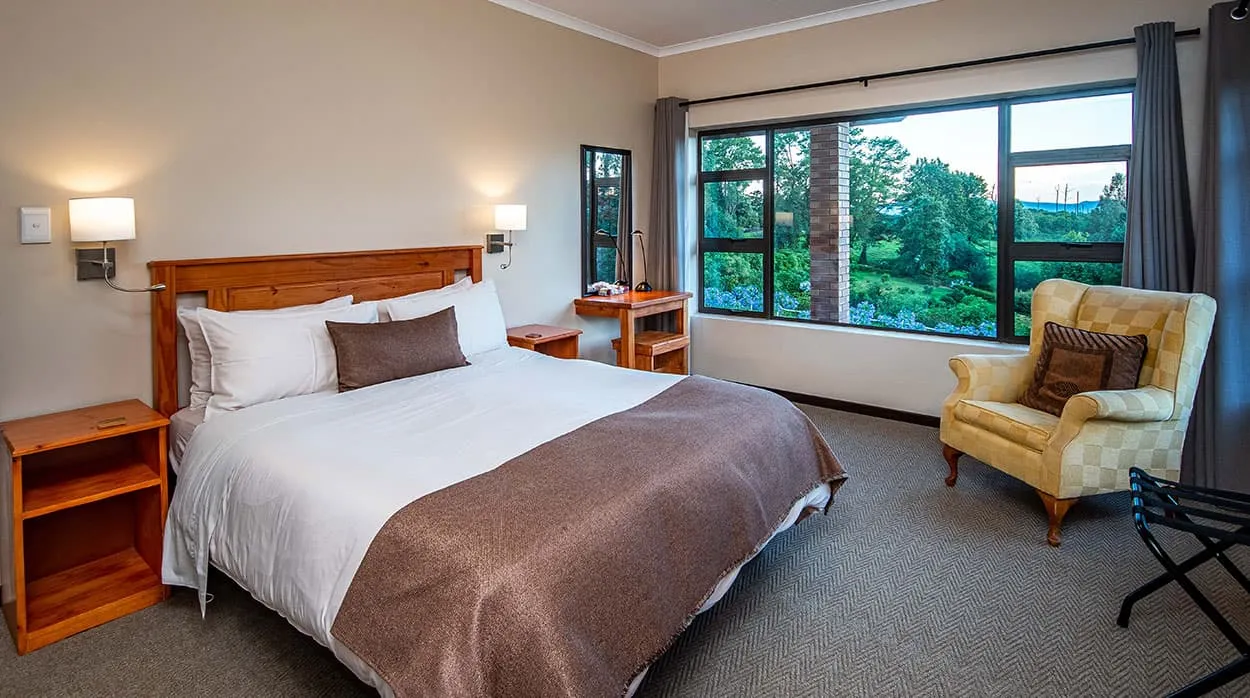
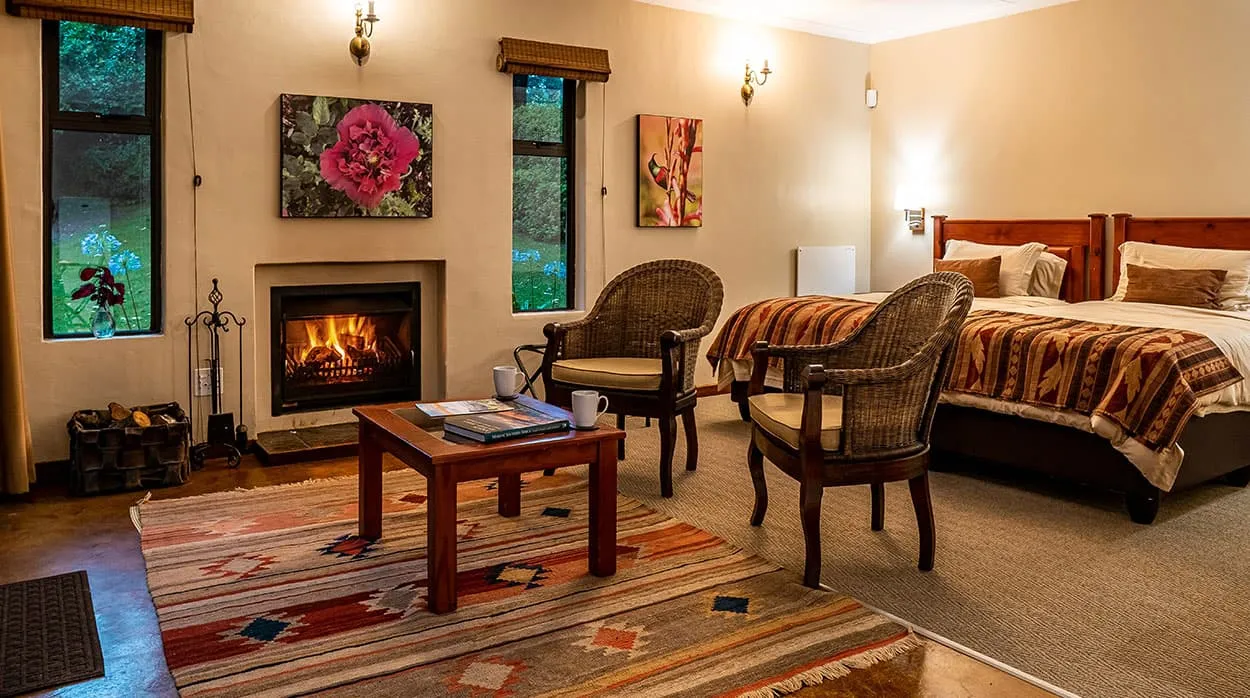
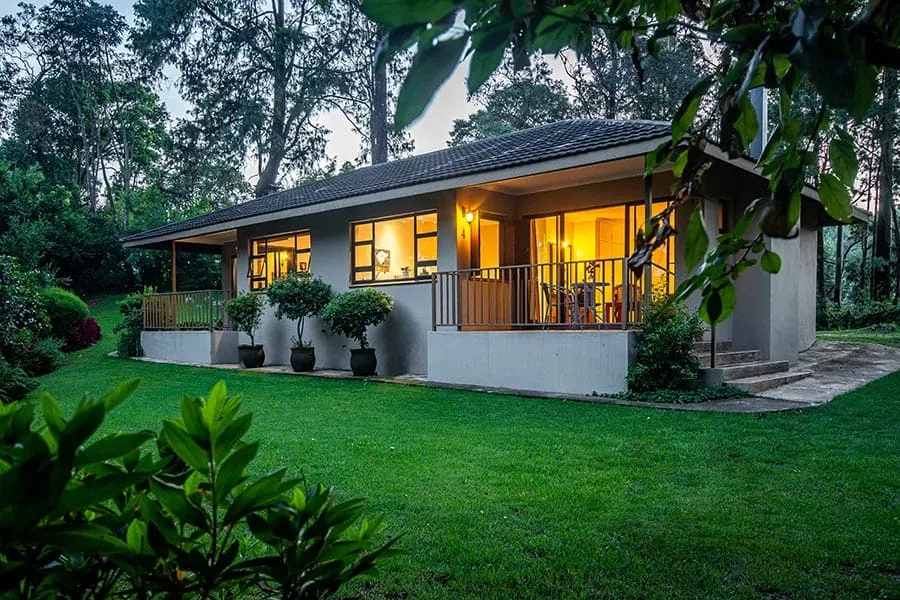
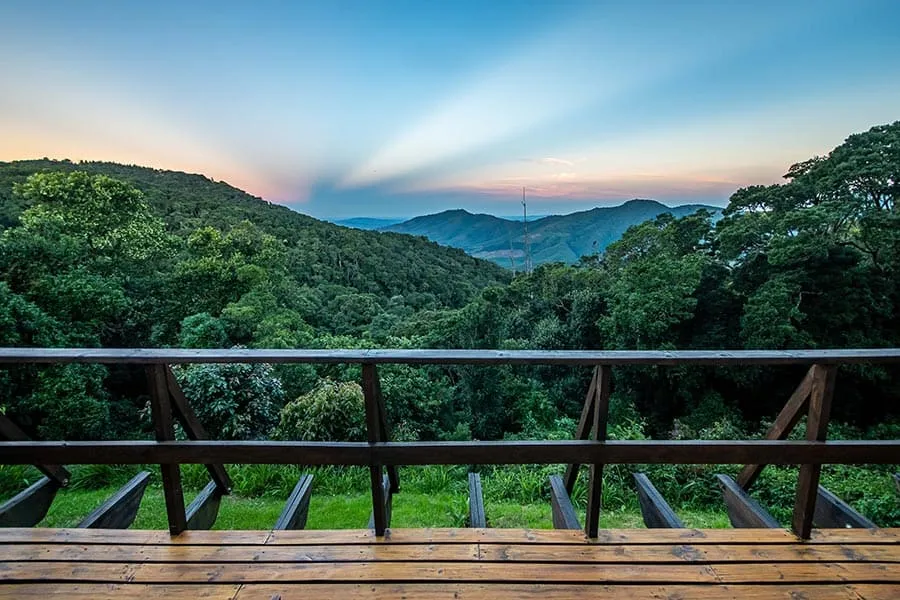
Kuhestan Organic Farm offers self-catering accommodation across studio-style units, a chalet, and a two-bedroom cottage, set in gardens on a 4.2 ha organic farm at the crest of the Magoebaskloof pass in Limpopo, South Africa.
Wi-Fi
Bird Watching
Kuhestan Organic Farm
Farm House
From
R 1,825
Per night for two
Wi-Fi
Bird Watching
About Ga-papo
Ga-papo is a rural village in the Limpopo Province, located in the Mopani District near the town of Tzaneen. The area serves as a gateway to the agricultural heartland of the region, where subtropical fruit farms and indigenous forests create a landscape distinct from South Africa's more arid interior.
The village sits in the lowveld region of Limpopo, approximately 40 kilometers east of Tzaneen, one of the province's key commercial centers. This part of South Africa experiences a subtropical climate with warm, wet summers and mild, dry winters. The terrain consists of rolling hills and valleys where banana, mango, and avocado plantations dominate the agricultural economy. Local communities have maintained traditional ways of life alongside modern farming practices, creating a cultural landscape that reflects both heritage and contemporary rural development.
The broader Tzaneen area offers visitors access to several natural attractions within reasonable driving distance. The Magoebaskloof mountain range lies to the west, known for its indigenous forests and hiking trails. The Ebenezer Dam, a popular spot for fishing and water sports, is accessible within an hour's drive. Visitors interested in wildlife can reach the southern sections of the Greater Kruger area with additional travel time. The region's elevation and rainfall patterns support diverse vegetation, from riverine forests to grasslands.
Finding Ga-papo accommodation provides an opportunity to experience rural Limpopo away from heavily touristed routes. The village economy centers on agriculture and small-scale commerce, with residents primarily speaking Sepedi and other local languages. Travelers staying in the area typically use it as a base for exploring the surrounding farmlands, visiting nearby cultural sites, or conducting business in Tzaneen and its satellite communities.
The road network connecting Ga-papo to larger towns has improved over recent years, though visitors should be prepared for rural driving conditions. Local markets in the region sell fresh produce directly from farms, and traditional healers and craftspeople continue to practice their trades in surrounding villages. The area experiences its peak rainfall between November and March, which transforms the landscape into a lush, green expanse but can also affect road conditions.
Accommodation options in the immediate vicinity tend to be basic and locally run, reflecting the village's rural character. Travelers seeking more extensive facilities often stay in Tzaneen itself while making day trips to surrounding villages and attractions. The region offers insight into agricultural life in Limpopo and the daily rhythms of communities that have adapted to both traditional structures and modern economic pressures.
The village sits in the lowveld region of Limpopo, approximately 40 kilometers east of Tzaneen, one of the province's key commercial centers. This part of South Africa experiences a subtropical climate with warm, wet summers and mild, dry winters. The terrain consists of rolling hills and valleys where banana, mango, and avocado plantations dominate the agricultural economy. Local communities have maintained traditional ways of life alongside modern farming practices, creating a cultural landscape that reflects both heritage and contemporary rural development.
The broader Tzaneen area offers visitors access to several natural attractions within reasonable driving distance. The Magoebaskloof mountain range lies to the west, known for its indigenous forests and hiking trails. The Ebenezer Dam, a popular spot for fishing and water sports, is accessible within an hour's drive. Visitors interested in wildlife can reach the southern sections of the Greater Kruger area with additional travel time. The region's elevation and rainfall patterns support diverse vegetation, from riverine forests to grasslands.
Finding Ga-papo accommodation provides an opportunity to experience rural Limpopo away from heavily touristed routes. The village economy centers on agriculture and small-scale commerce, with residents primarily speaking Sepedi and other local languages. Travelers staying in the area typically use it as a base for exploring the surrounding farmlands, visiting nearby cultural sites, or conducting business in Tzaneen and its satellite communities.
The road network connecting Ga-papo to larger towns has improved over recent years, though visitors should be prepared for rural driving conditions. Local markets in the region sell fresh produce directly from farms, and traditional healers and craftspeople continue to practice their trades in surrounding villages. The area experiences its peak rainfall between November and March, which transforms the landscape into a lush, green expanse but can also affect road conditions.
Accommodation options in the immediate vicinity tend to be basic and locally run, reflecting the village's rural character. Travelers seeking more extensive facilities often stay in Tzaneen itself while making day trips to surrounding villages and attractions. The region offers insight into agricultural life in Limpopo and the daily rhythms of communities that have adapted to both traditional structures and modern economic pressures.