


Ga-mokaba Lodge Accommodation
Showing 1 - 1 of 1 results
About Ga-mokaba
Ga-Mokaba is a rural village in the Capricorn District of Limpopo Province, positioned between Polokwane and the Blouberg mountain range. The area offers visitors access to traditional Sepedi culture and serves as a base for exploring the agricultural landscapes and natural features of this northern region.
Ga-Mokaba lies approximately 50 kilometres west of Polokwane, the provincial capital of Limpopo. The village falls under the Blouberg Local Municipality and forms part of a predominantly agricultural region where subsistence farming and cattle herding remain important to local livelihoods. The landscape consists of open grasslands interspersed with rocky outcrops, typical of the Bushveld terrain that characterises much of Limpopo's interior.
The village takes its name from a local chief and reflects the strong presence of Sepedi-speaking communities in this part of the province. Traditional homesteads dot the surrounding countryside, and visitors staying in the area gain insight into rural South African life that differs markedly from the country's urban centres. Local markets occasionally offer handcrafted items and fresh produce from nearby farms.
The Blouberg mountain range rises to the west of Ga-Mokaba, providing opportunities for hiking and nature observation. These mountains hold cultural significance for indigenous communities and feature rock art sites created by San peoples who inhabited the region centuries ago. The area experiences hot summers and mild, dry winters, with most rainfall occurring between November and March.
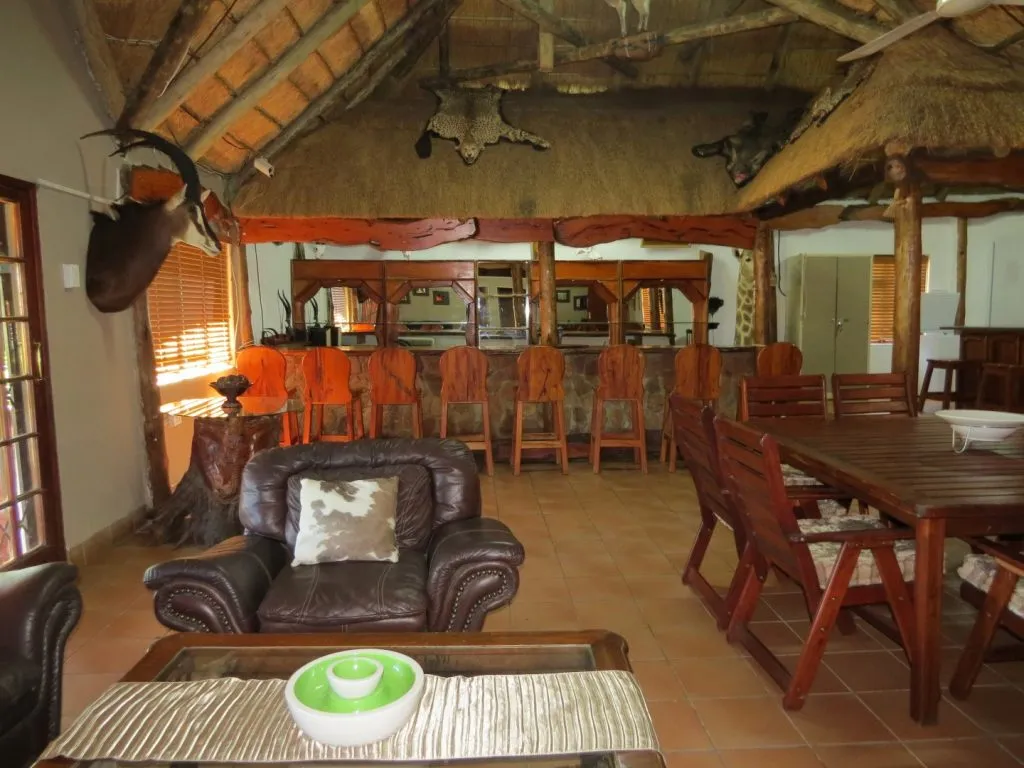
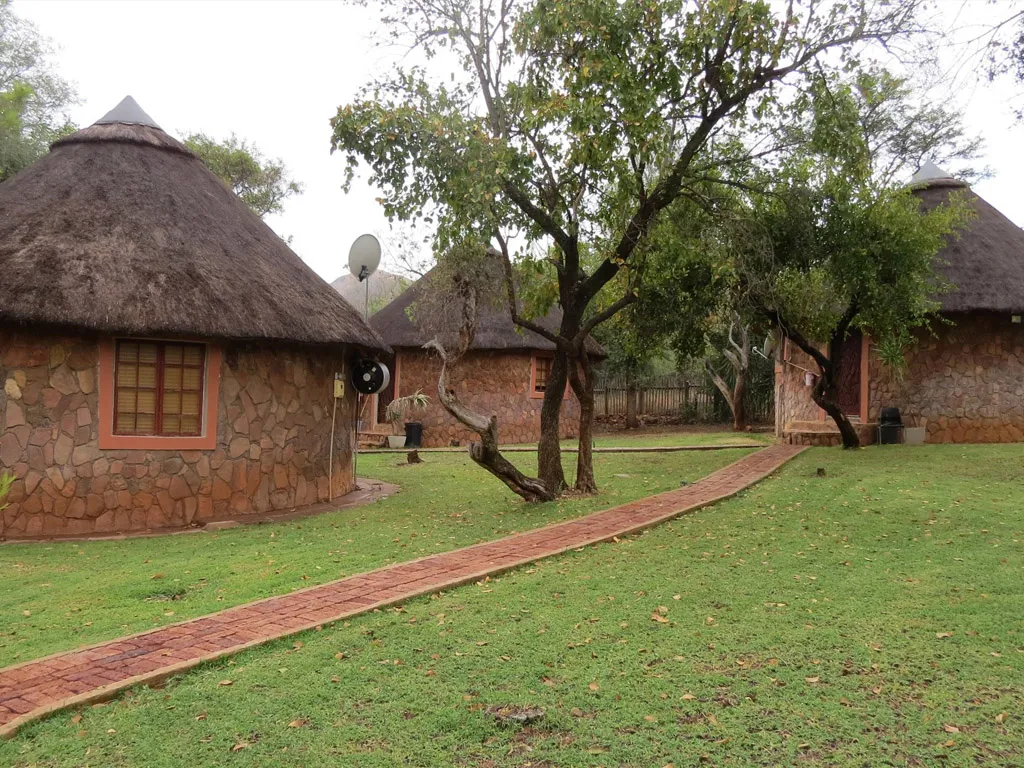
Those seeking Ga-mokaba accommodation will find basic guesthouses and homestay options that cater primarily to visitors with business in the surrounding villages or travellers interested in experiencing rural Limpopo. The village serves as a practical stopping point for those travelling between Polokwane and destinations further west, including the communities near the Botswana border.
Access to Ga-Mokaba requires a vehicle, as public transport options are limited in this rural area. The nearest significant services, including hospitals, banks, and larger retail outlets, are located in Polokwane. Visitors should come prepared with sufficient supplies and fuel, particularly if planning to explore the surrounding countryside or venture into more remote areas of the Blouberg region.
Ga-Mokaba lies approximately 50 kilometres west of Polokwane, the provincial capital of Limpopo. The village falls under the Blouberg Local Municipality and forms part of a predominantly agricultural region where subsistence farming and cattle herding remain important to local livelihoods. The landscape consists of open grasslands interspersed with rocky outcrops, typical of the Bushveld terrain that characterises much of Limpopo's interior.
The village takes its name from a local chief and reflects the strong presence of Sepedi-speaking communities in this part of the province. Traditional homesteads dot the surrounding countryside, and visitors staying in the area gain insight into rural South African life that differs markedly from the country's urban centres. Local markets occasionally offer handcrafted items and fresh produce from nearby farms.
The Blouberg mountain range rises to the west of Ga-Mokaba, providing opportunities for hiking and nature observation. These mountains hold cultural significance for indigenous communities and feature rock art sites created by San peoples who inhabited the region centuries ago. The area experiences hot summers and mild, dry winters, with most rainfall occurring between November and March.
Those seeking Ga-mokaba accommodation will find basic guesthouses and homestay options that cater primarily to visitors with business in the surrounding villages or travellers interested in experiencing rural Limpopo. The village serves as a practical stopping point for those travelling between Polokwane and destinations further west, including the communities near the Botswana border.
Access to Ga-Mokaba requires a vehicle, as public transport options are limited in this rural area. The nearest significant services, including hospitals, banks, and larger retail outlets, are located in Polokwane. Visitors should come prepared with sufficient supplies and fuel, particularly if planning to explore the surrounding countryside or venture into more remote areas of the Blouberg region.