


Hiking in Ga-letwaba
Showing 1 - 1 of 1 results
About Ga-letwaba
Ga-letwaba is a rural village in Limpopo Province, situated in the Capricorn District Municipality. The area offers visitors an authentic experience of traditional South African village life, surrounded by the characteristic bushveld landscape of the northern regions.
Ga-letwaba lies in the Greater Tubatse Local Municipality, part of Limpopo's extensive rural heartland. The village sits at an elevation that provides views across the surrounding bushveld, where thorn trees and grasslands define the terrain. Daily life here follows traditional rhythms, with agriculture and livestock farming forming the economic backbone of the community.
The region experiences a subtropical climate with hot, wet summers and mild, dry winters. Summer temperatures regularly exceed 30 degrees Celsius, while winter days remain comfortable for outdoor exploration. The rainy season transforms the landscape, bringing temporary streams to life and coating the hills in green vegetation that contrasts sharply with the dry winter months.
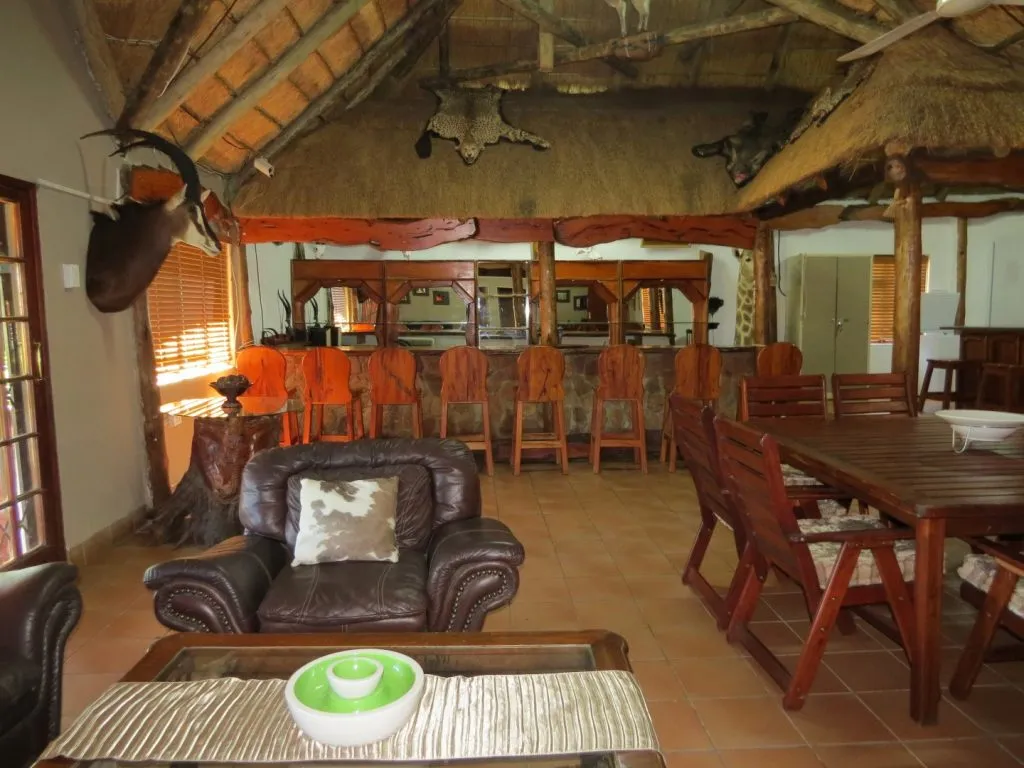
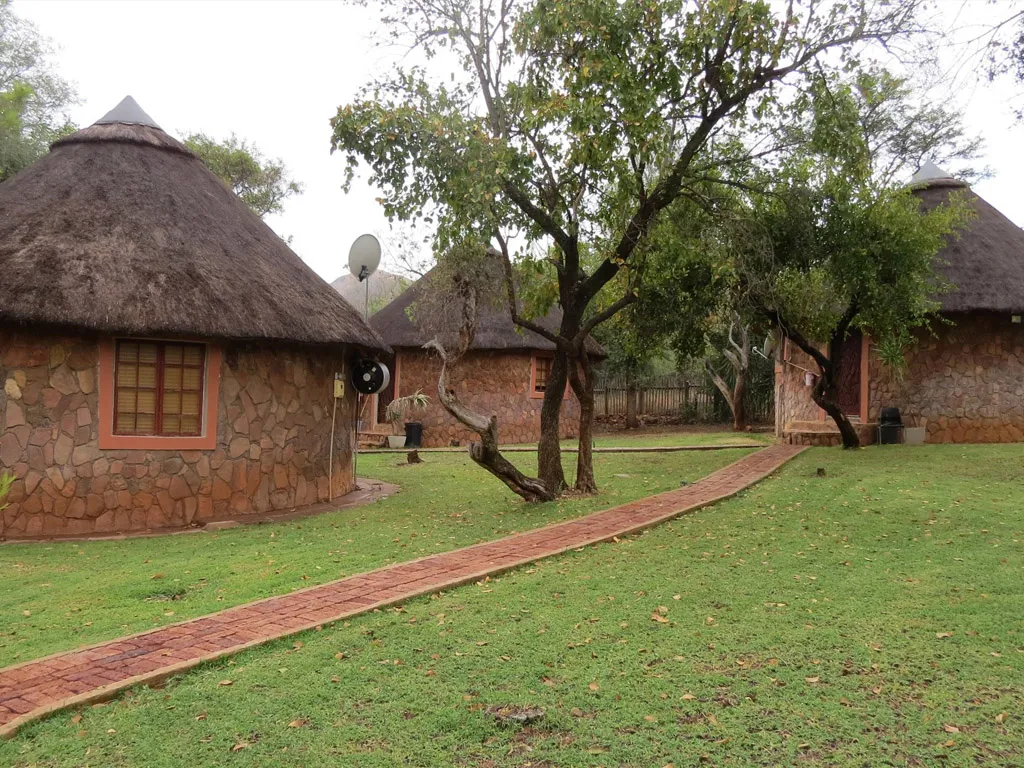
Visitors seeking Ga-letwaba accommodation will find themselves in an area where Sepedi culture remains strong in everyday practices. The village provides access to the broader Sekhukhune region, known for its historical significance in South African resistance movements. The Leolo Mountains lie to the south, offering hiking opportunities for those interested in exploring the geological formations and endemic plant species of the area.
The nearest significant town, Burgersfort, sits approximately 40 kilometres to the south and serves as a practical base for supplies and services. From Ga-letwaba, travellers can reach the Kruger National Park within a two-hour drive, making the village a potential stopover for those touring Limpopo's conservation areas. The region also provides access to several smaller nature reserves where wildlife viewing occurs on a more intimate scale than the major parks.
Local markets and community gatherings offer insight into traditional crafts, including beadwork and pottery that reflect Sepedi artistic traditions. The pace of life here differs markedly from South Africa's urban centres, providing an opportunity to experience rural hospitality and customs that have persisted for generations. Visitors should come prepared for basic amenities and an environment where modern conveniences may be limited compared to tourist-focused destinations.
Ga-letwaba lies in the Greater Tubatse Local Municipality, part of Limpopo's extensive rural heartland. The village sits at an elevation that provides views across the surrounding bushveld, where thorn trees and grasslands define the terrain. Daily life here follows traditional rhythms, with agriculture and livestock farming forming the economic backbone of the community.
The region experiences a subtropical climate with hot, wet summers and mild, dry winters. Summer temperatures regularly exceed 30 degrees Celsius, while winter days remain comfortable for outdoor exploration. The rainy season transforms the landscape, bringing temporary streams to life and coating the hills in green vegetation that contrasts sharply with the dry winter months.
Visitors seeking Ga-letwaba accommodation will find themselves in an area where Sepedi culture remains strong in everyday practices. The village provides access to the broader Sekhukhune region, known for its historical significance in South African resistance movements. The Leolo Mountains lie to the south, offering hiking opportunities for those interested in exploring the geological formations and endemic plant species of the area.
The nearest significant town, Burgersfort, sits approximately 40 kilometres to the south and serves as a practical base for supplies and services. From Ga-letwaba, travellers can reach the Kruger National Park within a two-hour drive, making the village a potential stopover for those touring Limpopo's conservation areas. The region also provides access to several smaller nature reserves where wildlife viewing occurs on a more intimate scale than the major parks.
Local markets and community gatherings offer insight into traditional crafts, including beadwork and pottery that reflect Sepedi artistic traditions. The pace of life here differs markedly from South Africa's urban centres, providing an opportunity to experience rural hospitality and customs that have persisted for generations. Visitors should come prepared for basic amenities and an environment where modern conveniences may be limited compared to tourist-focused destinations.