


Duiwelskloof Guest-house Accommodation
Showing 1 - 1 of 1 results
From
R 1,650
Per night for two in February
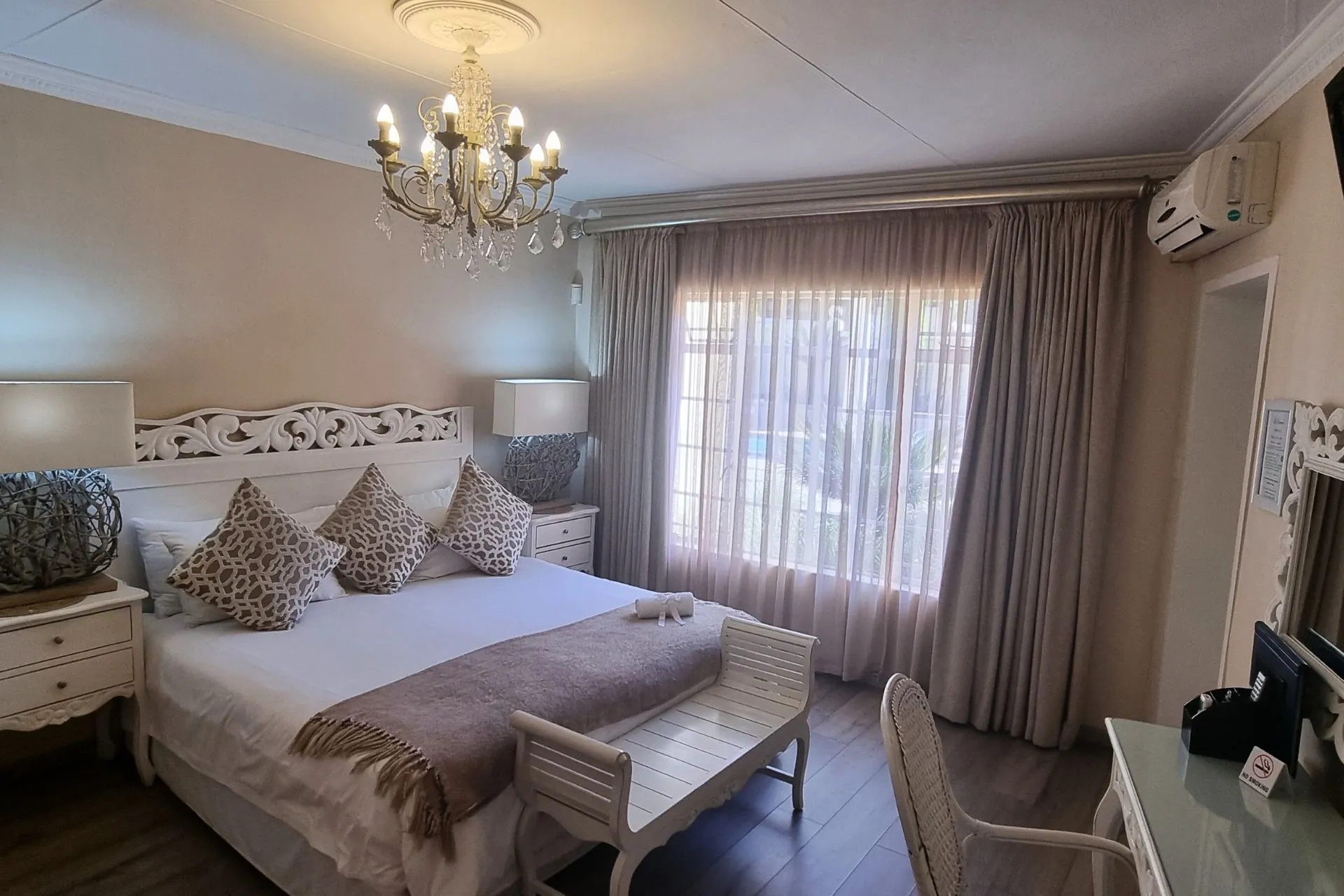
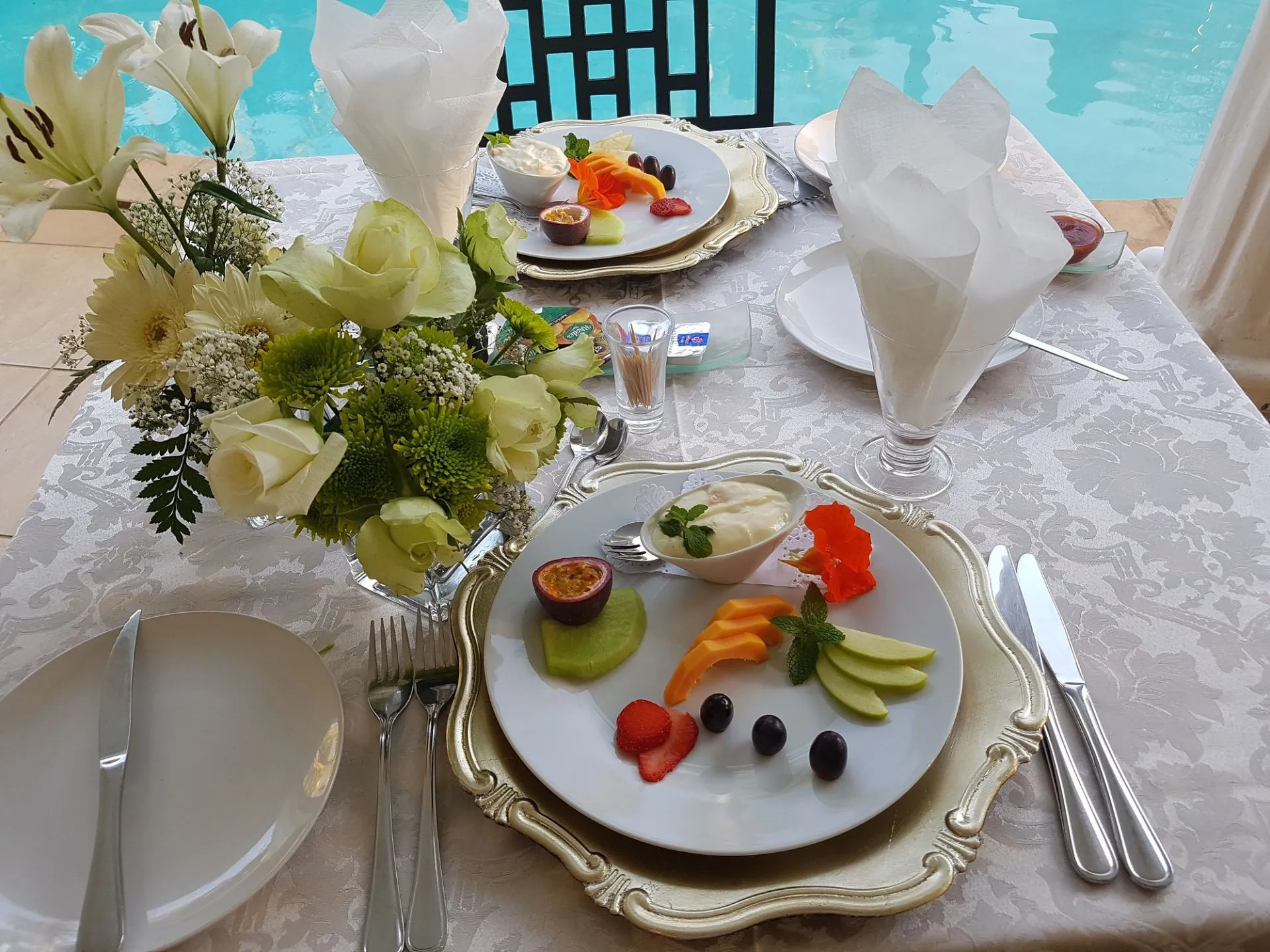
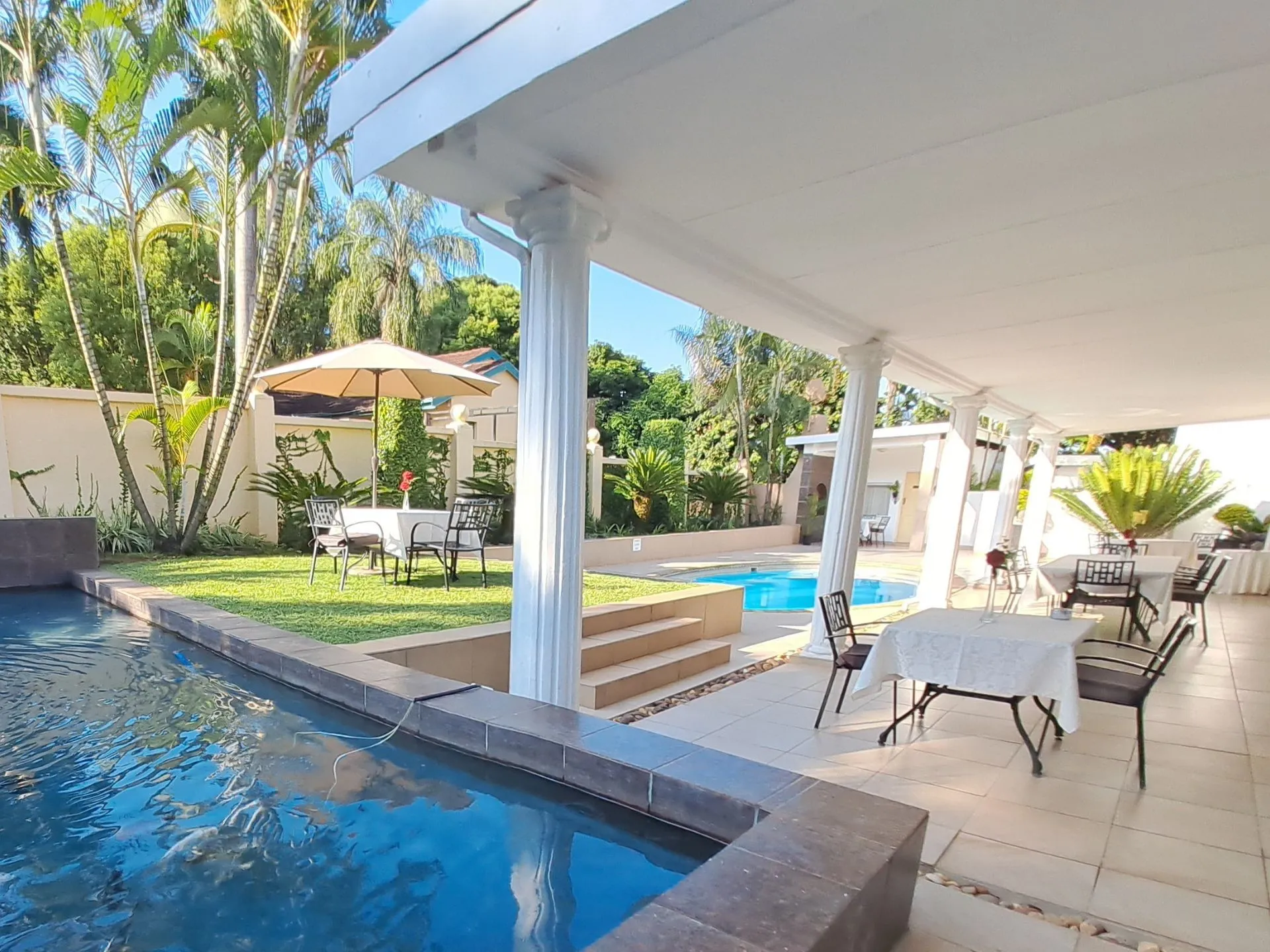
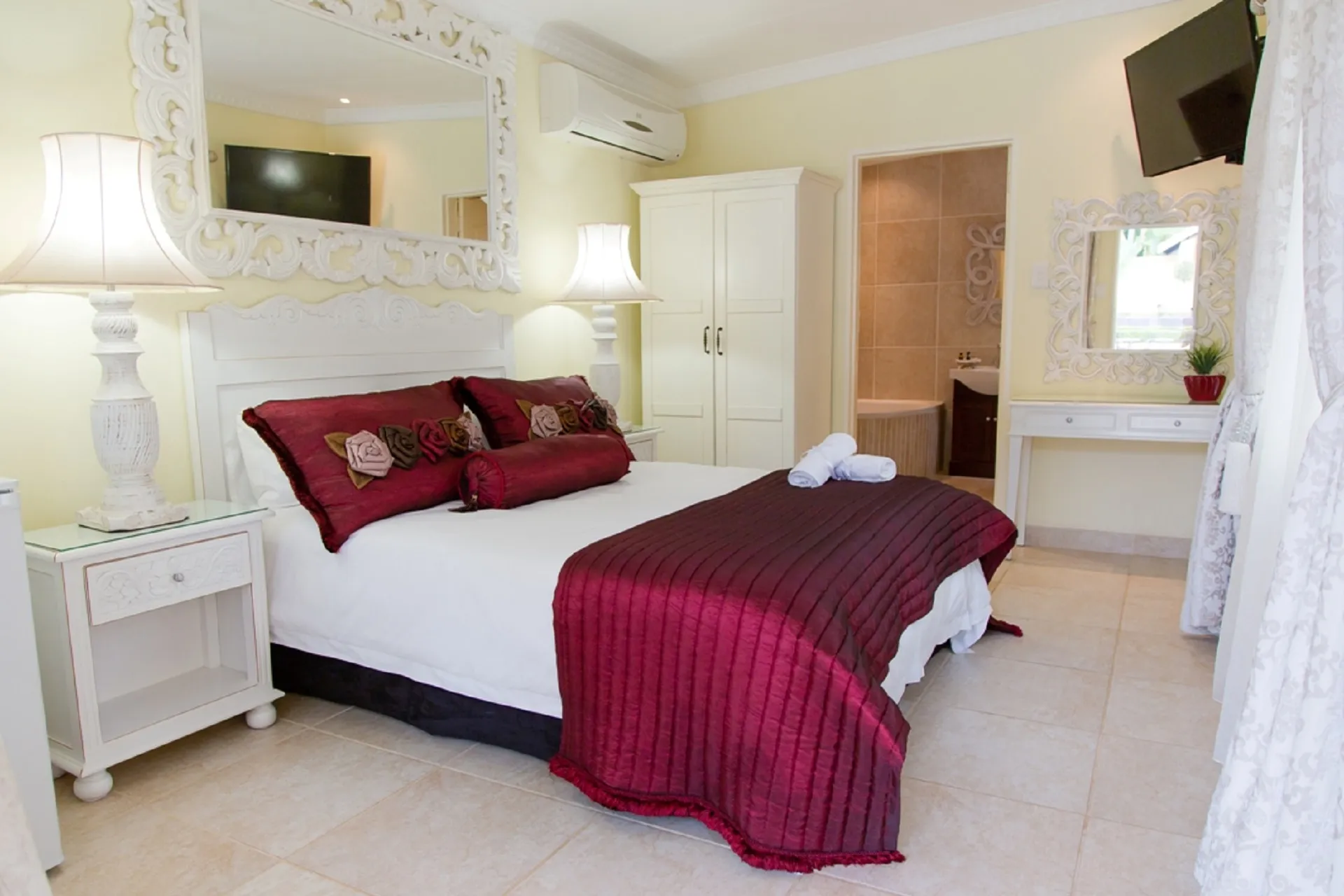
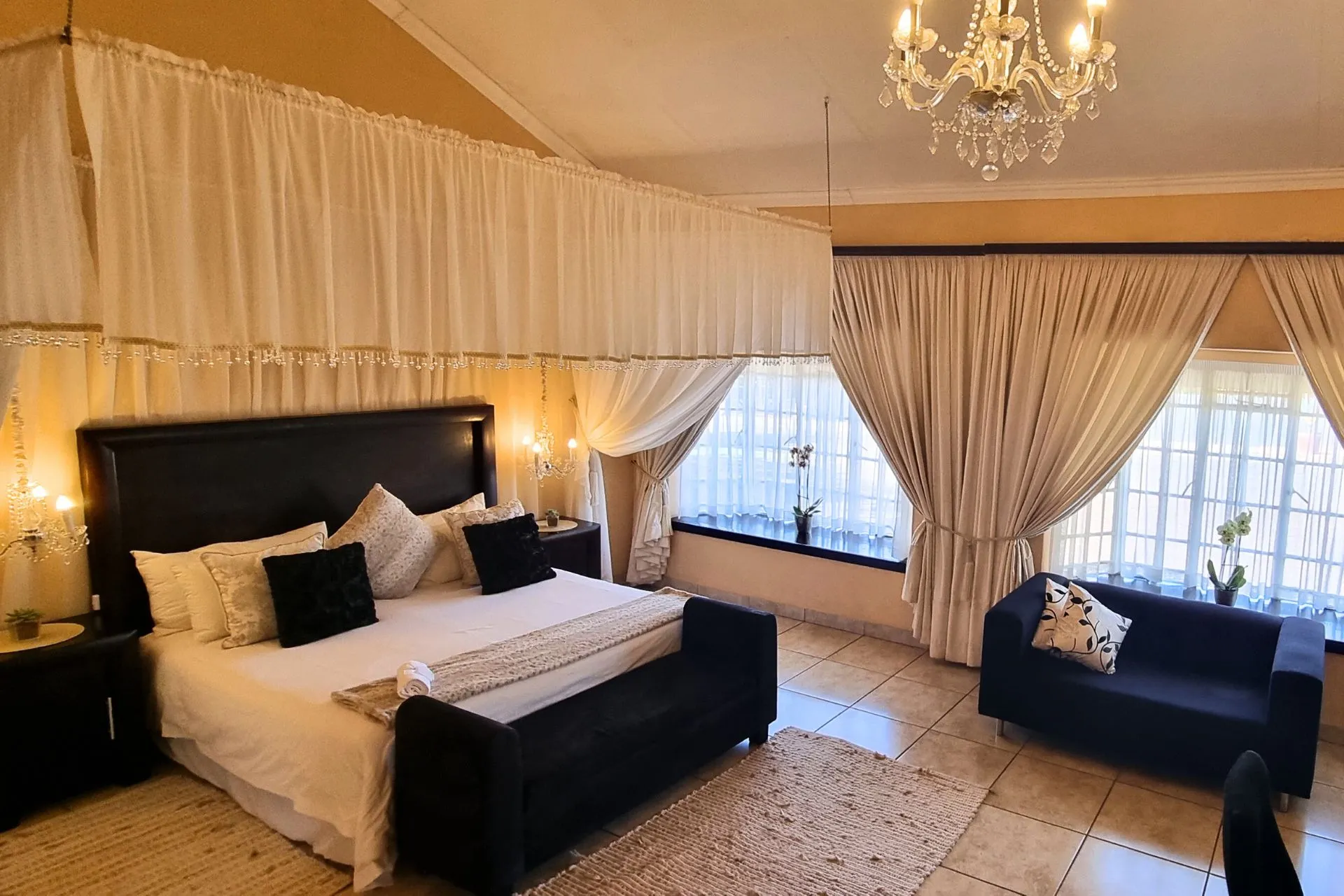
La Baruné is an exceptional 4-star guest house with newly developed accommodation. It features uniquely decorated, elegantly styled rooms and a sparkling pool. Freshly prepared breakfast is served indoors or on the patio overlooking the pool. The property is 1 km from Tzaneen Lifestyle Mall.
Outdoor Pool
Full Kitchen

La Barune Guesthouse
Guest house
From
R 1,650
Per night for two in February
Outdoor Pool
Full Kitchen
About Duiwelskloof
Duiwelskloof, officially known as Modjadjiskloof since 2003, sits in the Limpopo province at the foot of the Drakensberg escarpment. The town serves as a gateway to the Modjadji Cycad Reserve and the Rain Queen's territory, offering visitors access to indigenous forests, tea estates, and mountain scenery.
The town changed its name from Duiwelskloof to Modjadjiskloof to honour the Rain Queen Modjadji, whose royal kraal lies nearby. Despite the official name change, many locals and visitors still refer to it by its original Afrikaans name. The area experiences higher rainfall than surrounding regions, which has given rise to the legend of the Rain Queen and her supposed ability to control the weather. This unique climate supports lush vegetation and makes the region particularly green compared to much of Limpopo.
The Modjadji Cycad Reserve protects one of the largest concentrations of a single cycad species in the world, with thousands of Modjadji cycads growing on the mountainside. These ancient plants can live for over a thousand years, and the reserve offers walking trails through the forest where visitors can see specimens up to 13 metres tall. The reserve sits about 25 kilometres from the town centre and provides panoramic views across the lowveld.
Tea production has been part of the local economy since the early 20th century, and several tea estates operate in the area. The high altitude and mist-covered slopes create ideal conditions for growing tea, and some estates offer tours where visitors can learn about the cultivation and processing methods. The surrounding mountains also contain indigenous forests with yellowwood trees, tree ferns, and numerous bird species.
Duiwelskloof accommodation ranges from guesthouses in town to lodges and self-catering cottages on surrounding farms and estates. The town itself provides basic services, shops, and fuel stations for travellers heading further into the mountains or towards Tzaneen, which lies approximately 60 kilometres to the south. The R36 route passes through the area, connecting the lowveld to the highveld plateau.
Outdoor activities include hiking trails in the Wolkberg Wilderness Area, trout fishing in mountain streams, and exploring the various waterfalls scattered throughout the region. The climate remains relatively mild year-round due to the altitude, though summer months bring afternoon thunderstorms that maintain the area's green appearance. The town serves as a practical base for exploring the northern Drakensberg and the cultural sites associated with the Balobedu people.
The town changed its name from Duiwelskloof to Modjadjiskloof to honour the Rain Queen Modjadji, whose royal kraal lies nearby. Despite the official name change, many locals and visitors still refer to it by its original Afrikaans name. The area experiences higher rainfall than surrounding regions, which has given rise to the legend of the Rain Queen and her supposed ability to control the weather. This unique climate supports lush vegetation and makes the region particularly green compared to much of Limpopo.
The Modjadji Cycad Reserve protects one of the largest concentrations of a single cycad species in the world, with thousands of Modjadji cycads growing on the mountainside. These ancient plants can live for over a thousand years, and the reserve offers walking trails through the forest where visitors can see specimens up to 13 metres tall. The reserve sits about 25 kilometres from the town centre and provides panoramic views across the lowveld.
Tea production has been part of the local economy since the early 20th century, and several tea estates operate in the area. The high altitude and mist-covered slopes create ideal conditions for growing tea, and some estates offer tours where visitors can learn about the cultivation and processing methods. The surrounding mountains also contain indigenous forests with yellowwood trees, tree ferns, and numerous bird species.
Duiwelskloof accommodation ranges from guesthouses in town to lodges and self-catering cottages on surrounding farms and estates. The town itself provides basic services, shops, and fuel stations for travellers heading further into the mountains or towards Tzaneen, which lies approximately 60 kilometres to the south. The R36 route passes through the area, connecting the lowveld to the highveld plateau.
Outdoor activities include hiking trails in the Wolkberg Wilderness Area, trout fishing in mountain streams, and exploring the various waterfalls scattered throughout the region. The climate remains relatively mild year-round due to the altitude, though summer months bring afternoon thunderstorms that maintain the area's green appearance. The town serves as a practical base for exploring the northern Drakensberg and the cultural sites associated with the Balobedu people.