


Depus Accommodation
Filter by type of accommodation
Discover 4 accommodation options in Depus with an average price of R3,473 per night for your perfect getaway. Whether you're looking for luxury hotels, cozy guesthouses, self-catering apartments, or budget-friendly B&Bs, Depus offers diverse lodging choices to suit every traveler's needs and budget.
Planning your Depus adventure? With prices averaging around R3,473 per night, you can find accommodation near popular attractions, business centers, and transport hubs. Book your ideal Depus stay today and experience the best of what this destination has to offer.
R 2,100
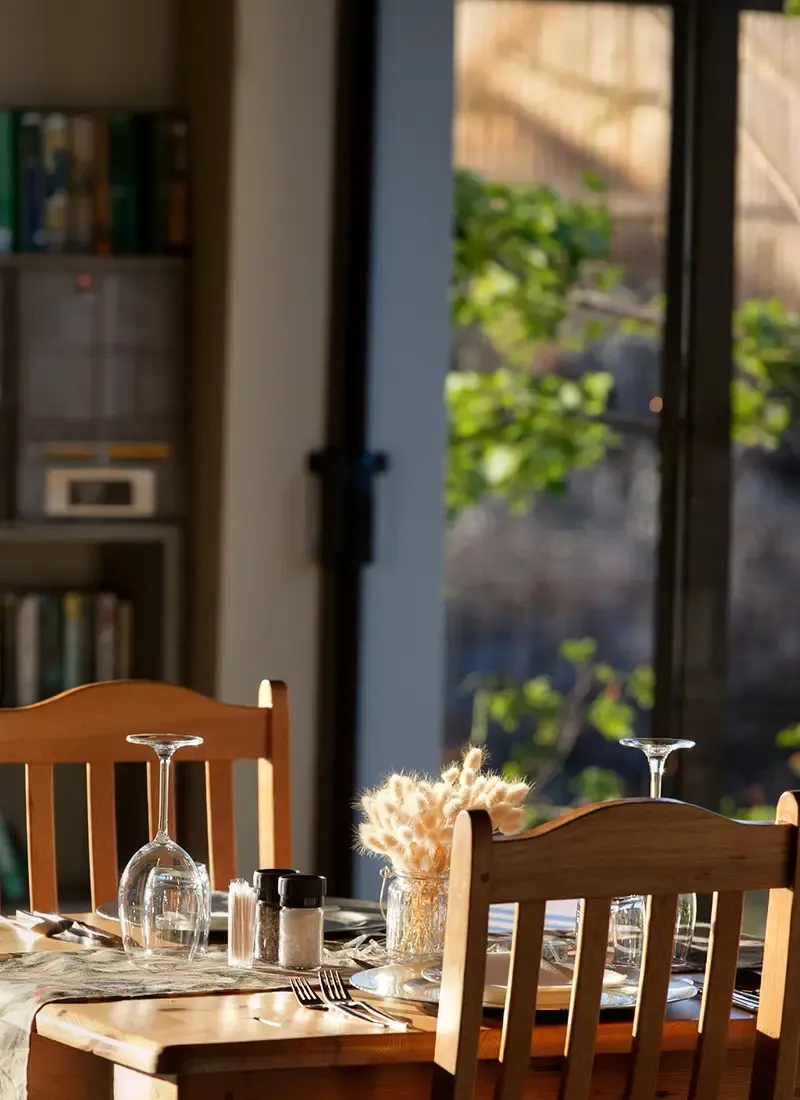
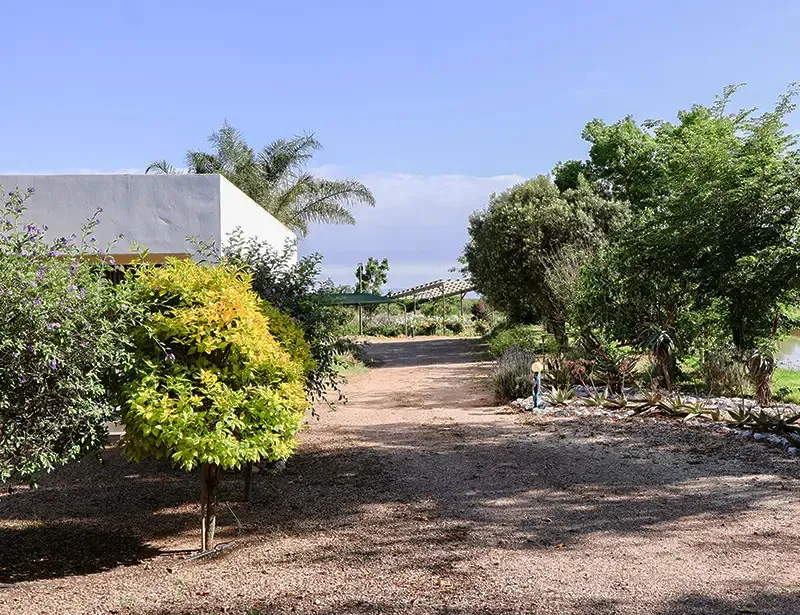
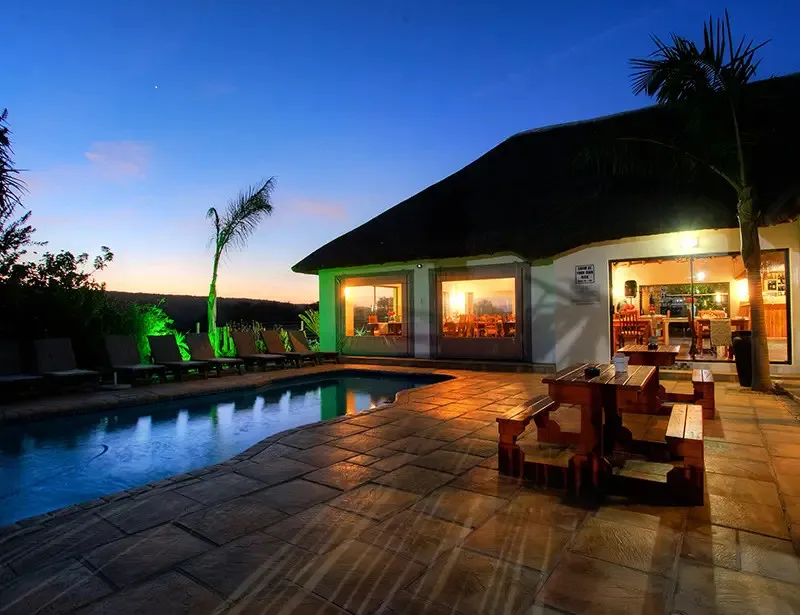
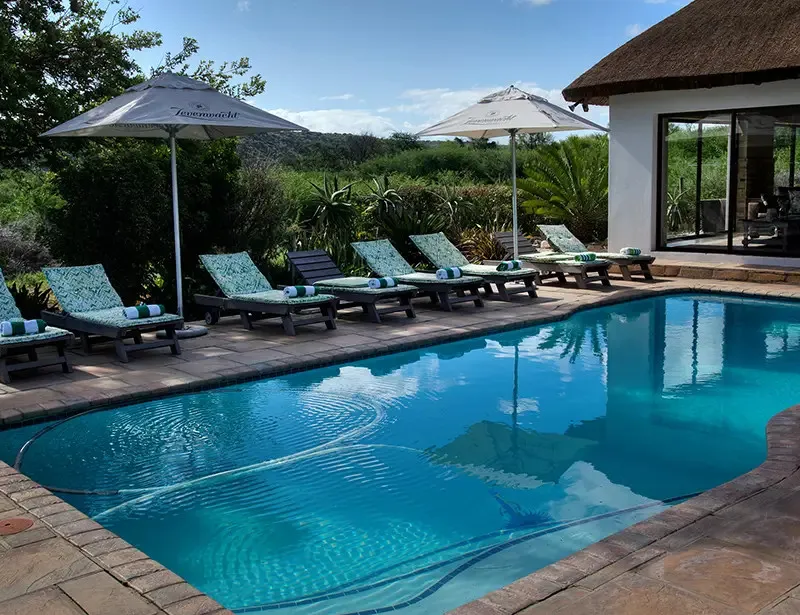
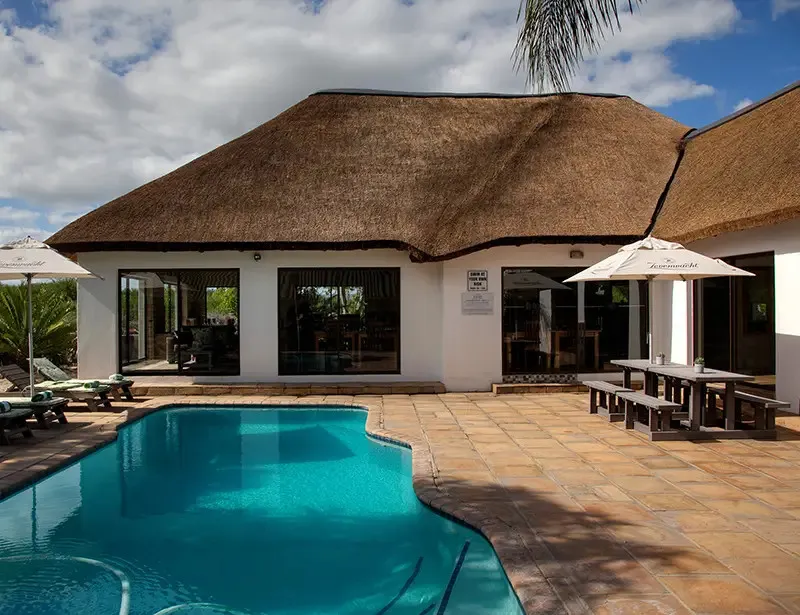
De Old Drift Guest Farm is a working citrus farm near the village of Addo in South Africa's malaria-free Eastern Cape Province. The farm offers self-catering and bed and breakfast accommodation, 15 minutes from Addo Elephant National Park.

De Old Drift Guest Farm
R 2,100
R 1,960
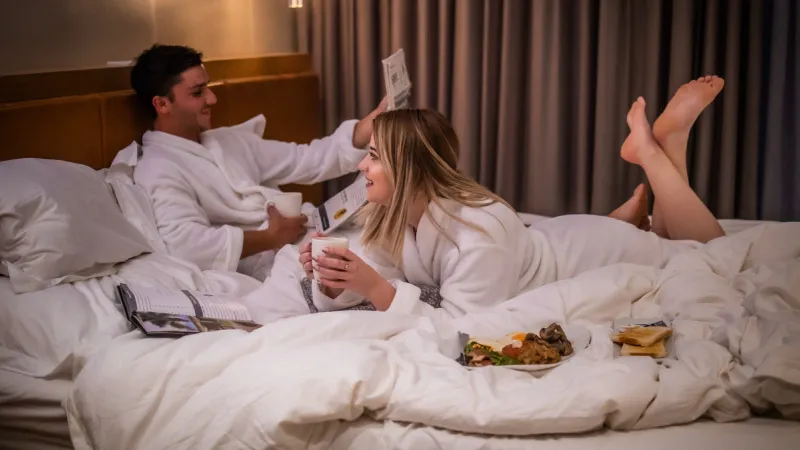
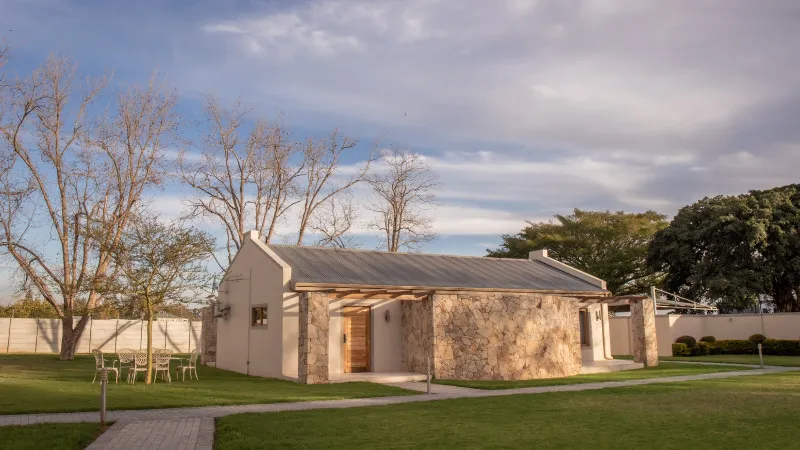
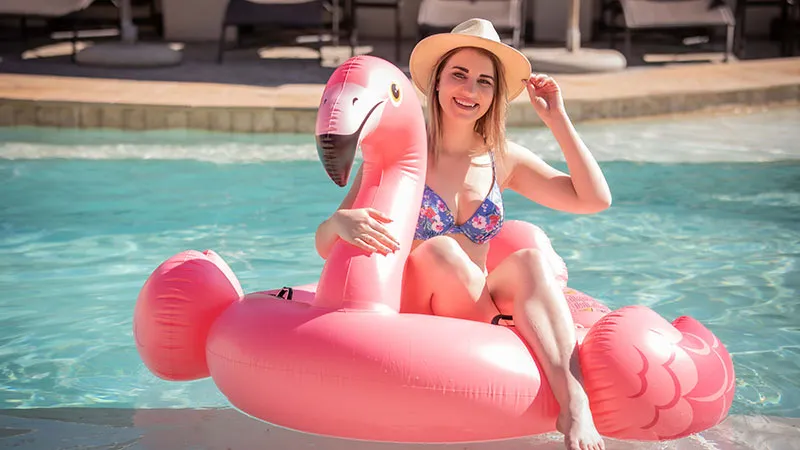
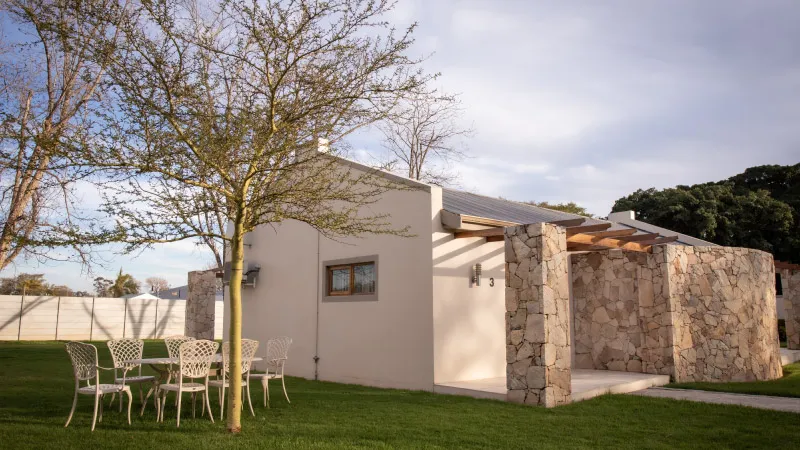
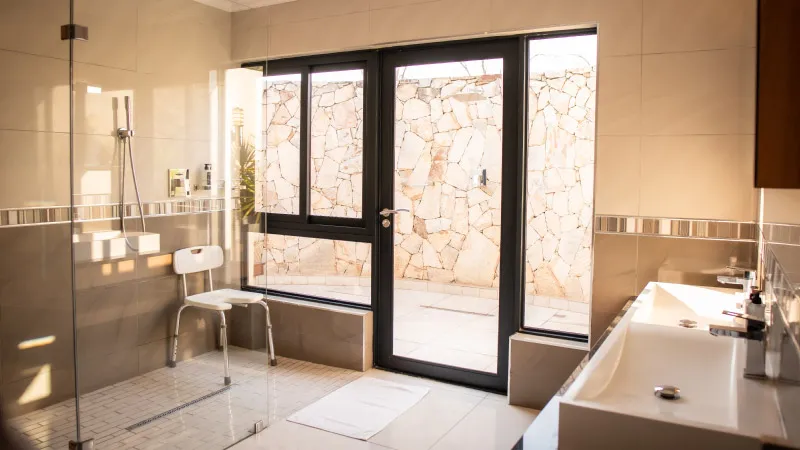
Africanos Country Estate offers 12 luxury rooms and guest suites in a tranquil atmosphere with contemporary architecture. Rooms feature king size beds, en-suite bathrooms, outdoor showers, and access to a restaurant serving country cuisine and the only sushi bar in Addo. Shuttle service is available.
Africanos Country Estate
R 1,960
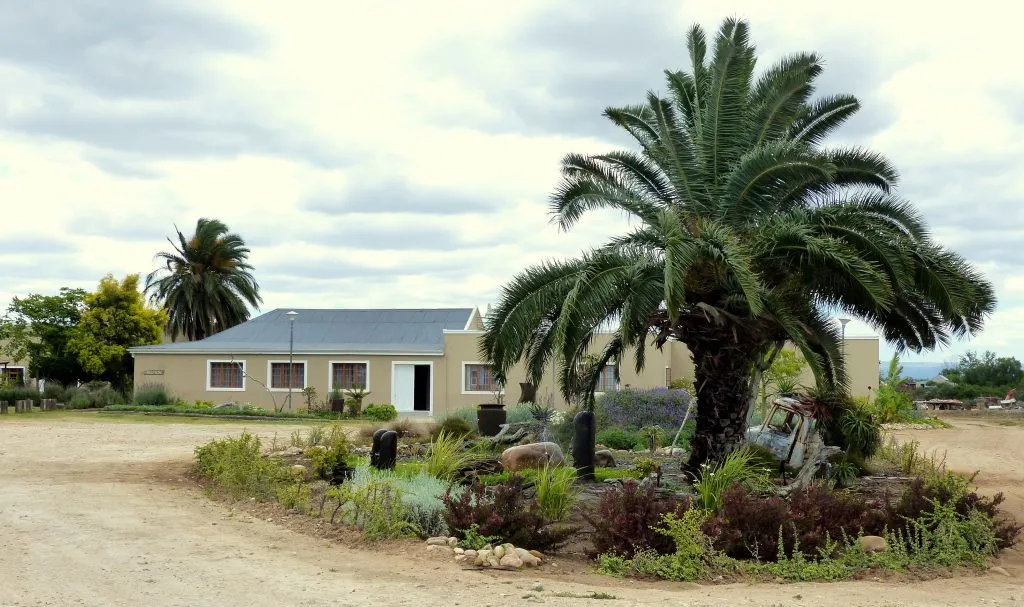
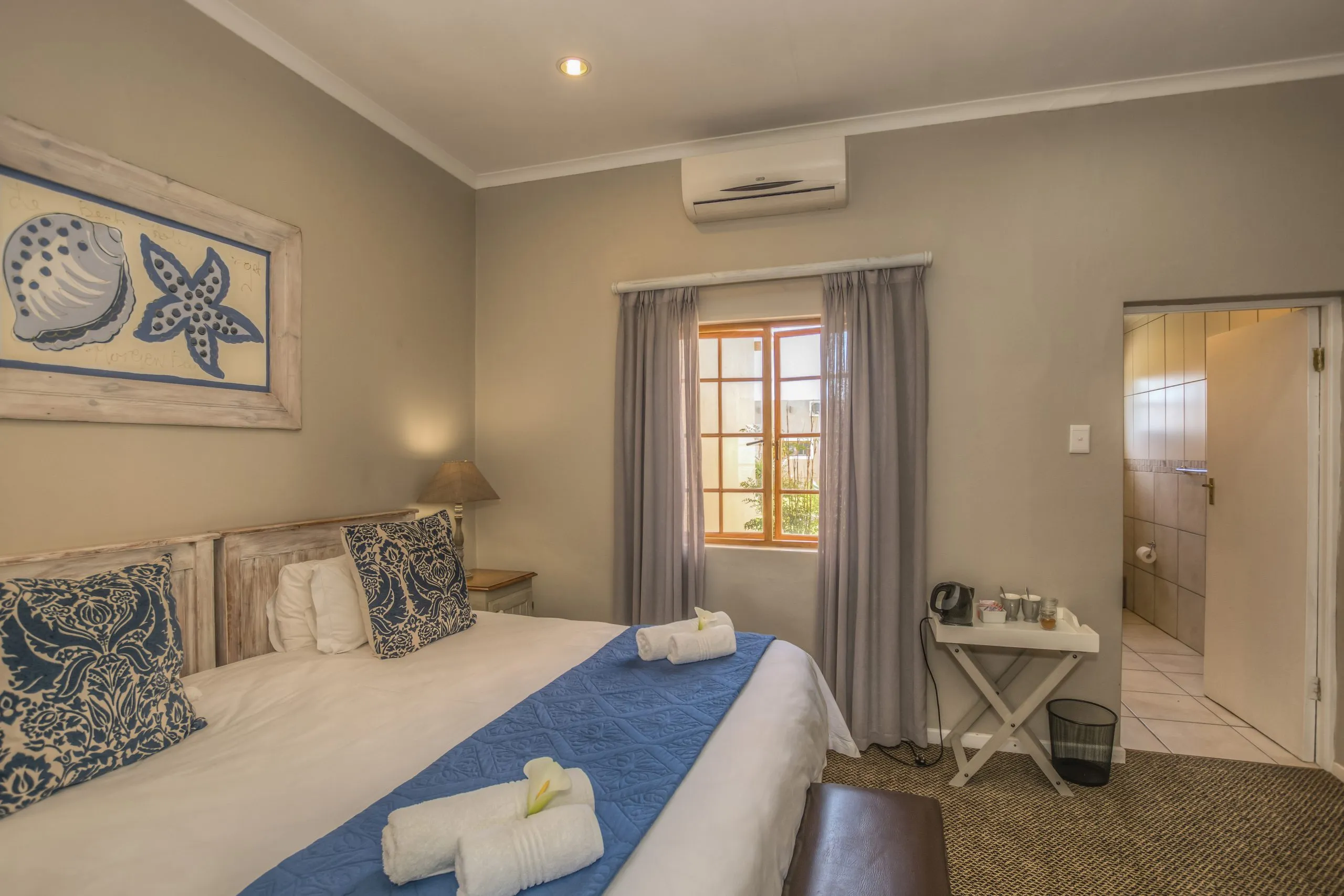
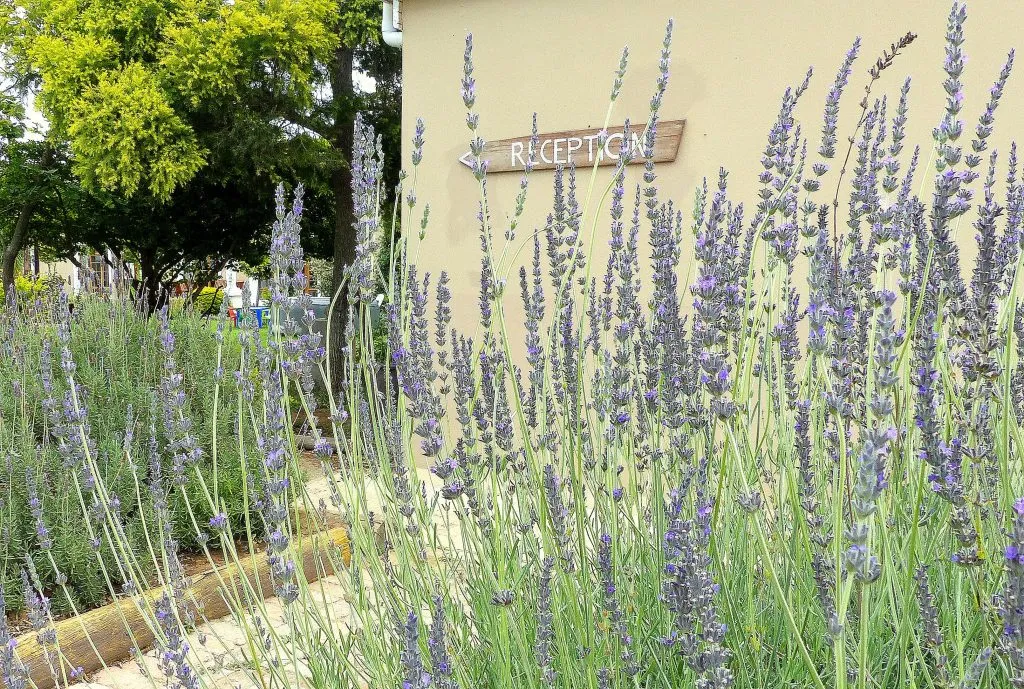
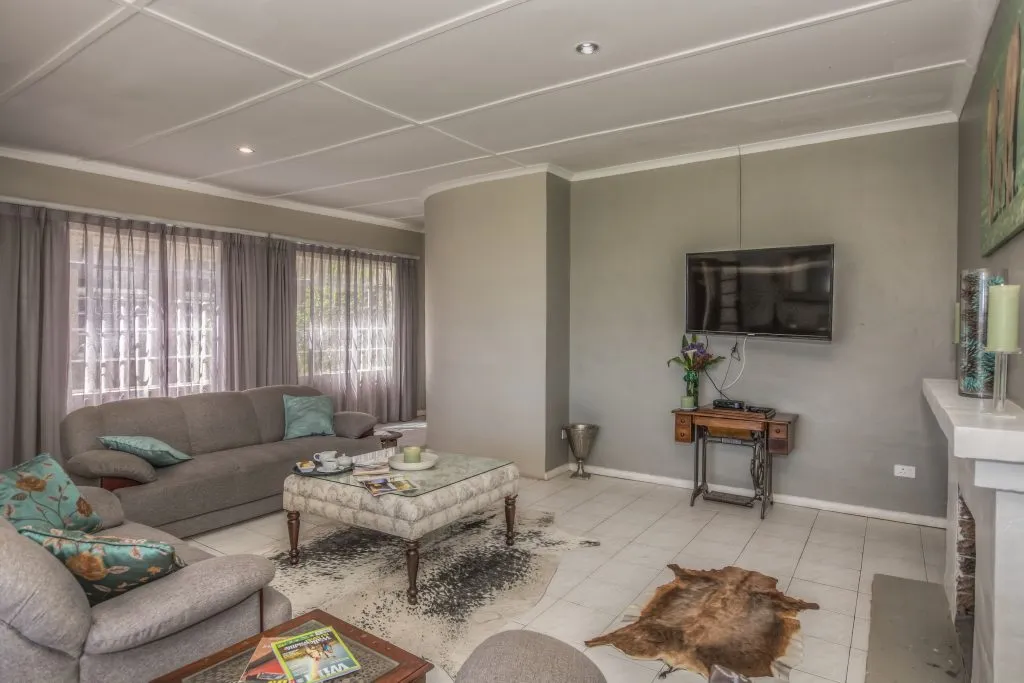
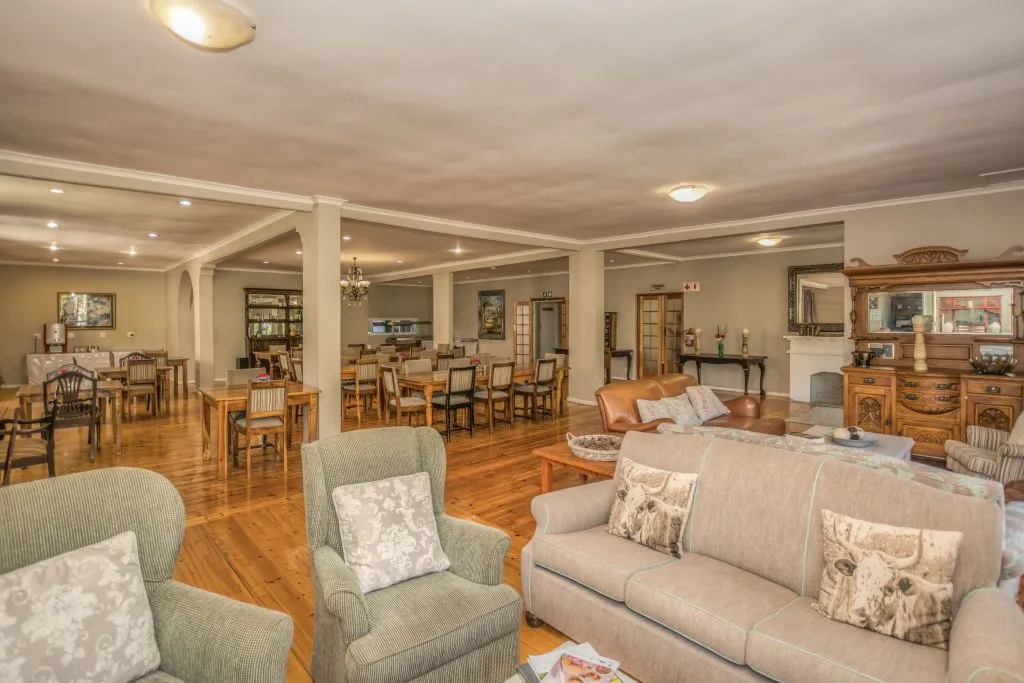
Nestled in the Eastern Cape, Kraal—a restored 1844 estate—exudes colonial charm amid rambling gardens of indigenous flora. Holiday seekers enjoy comfortable accommodation, wildlife encounters at nearby Addo National Park, and relaxing campfire evenings with hearty meals. Book now!
Kraal B&B
Woodall Country House & Spa
R 6,360
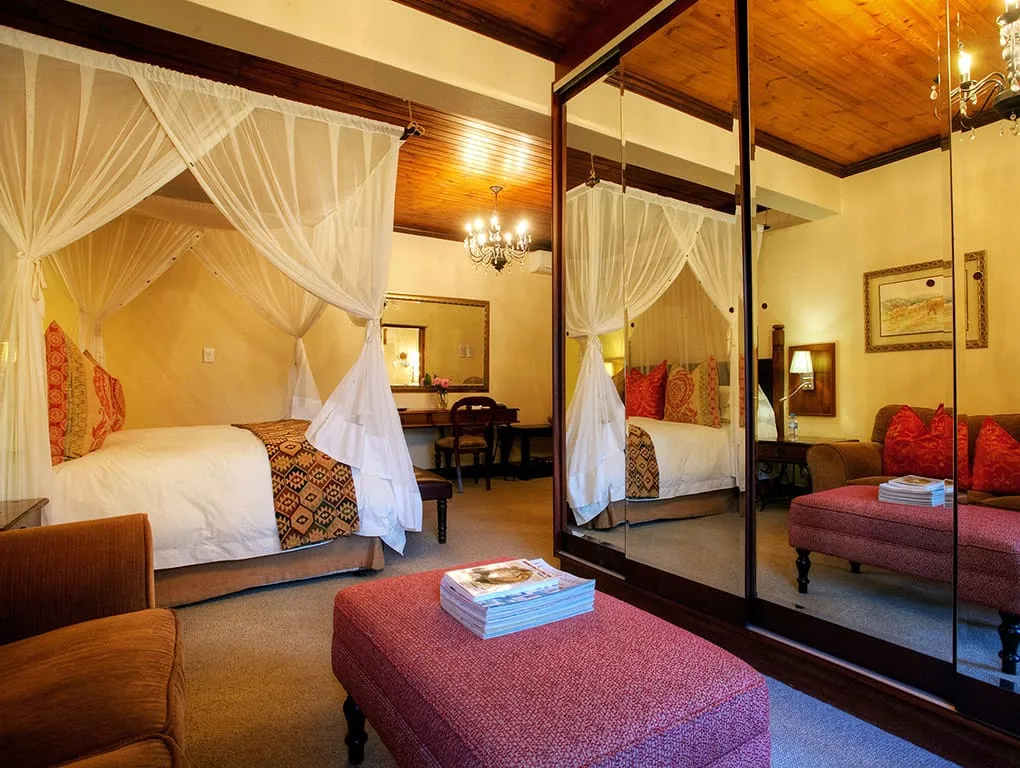
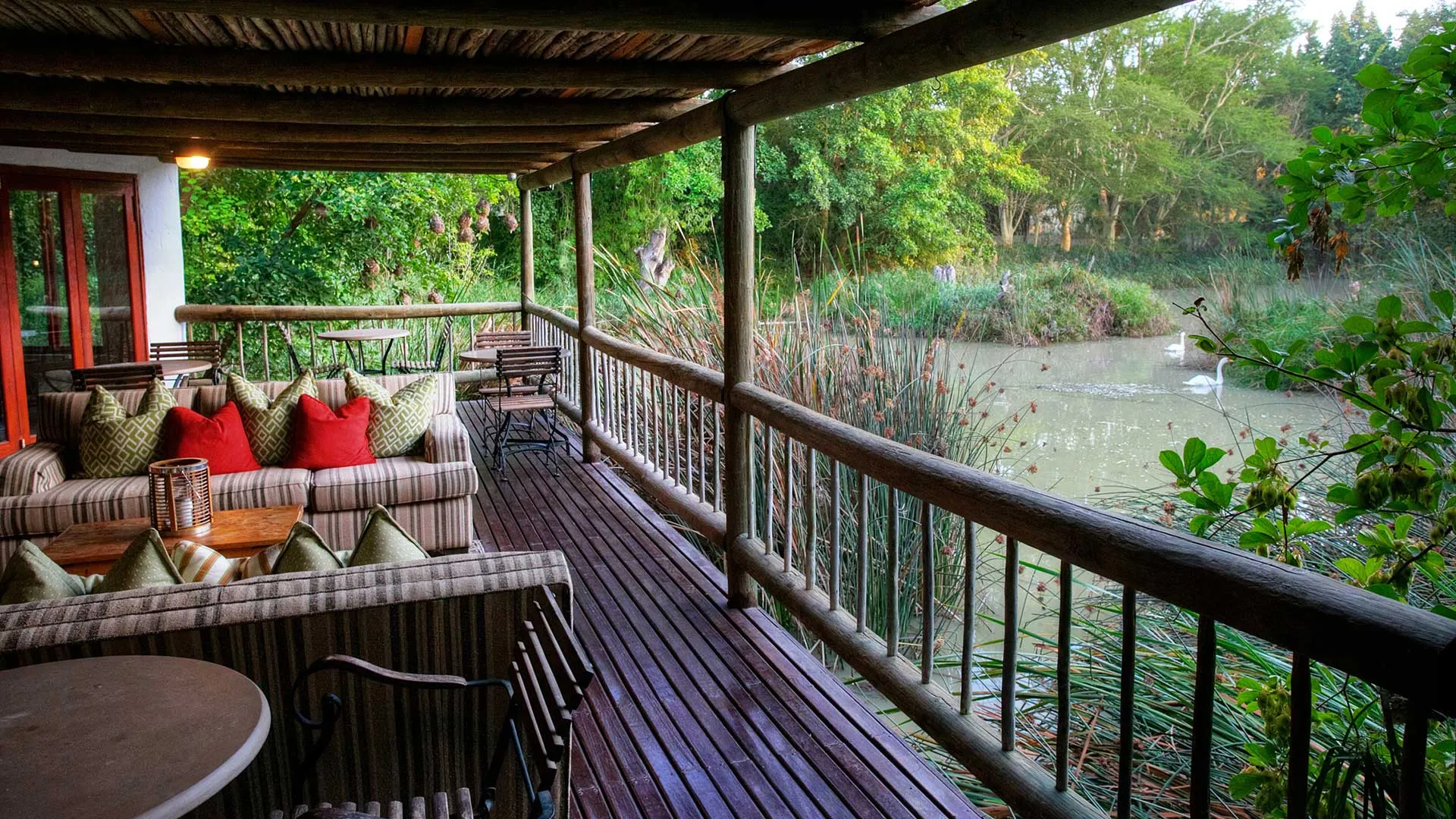
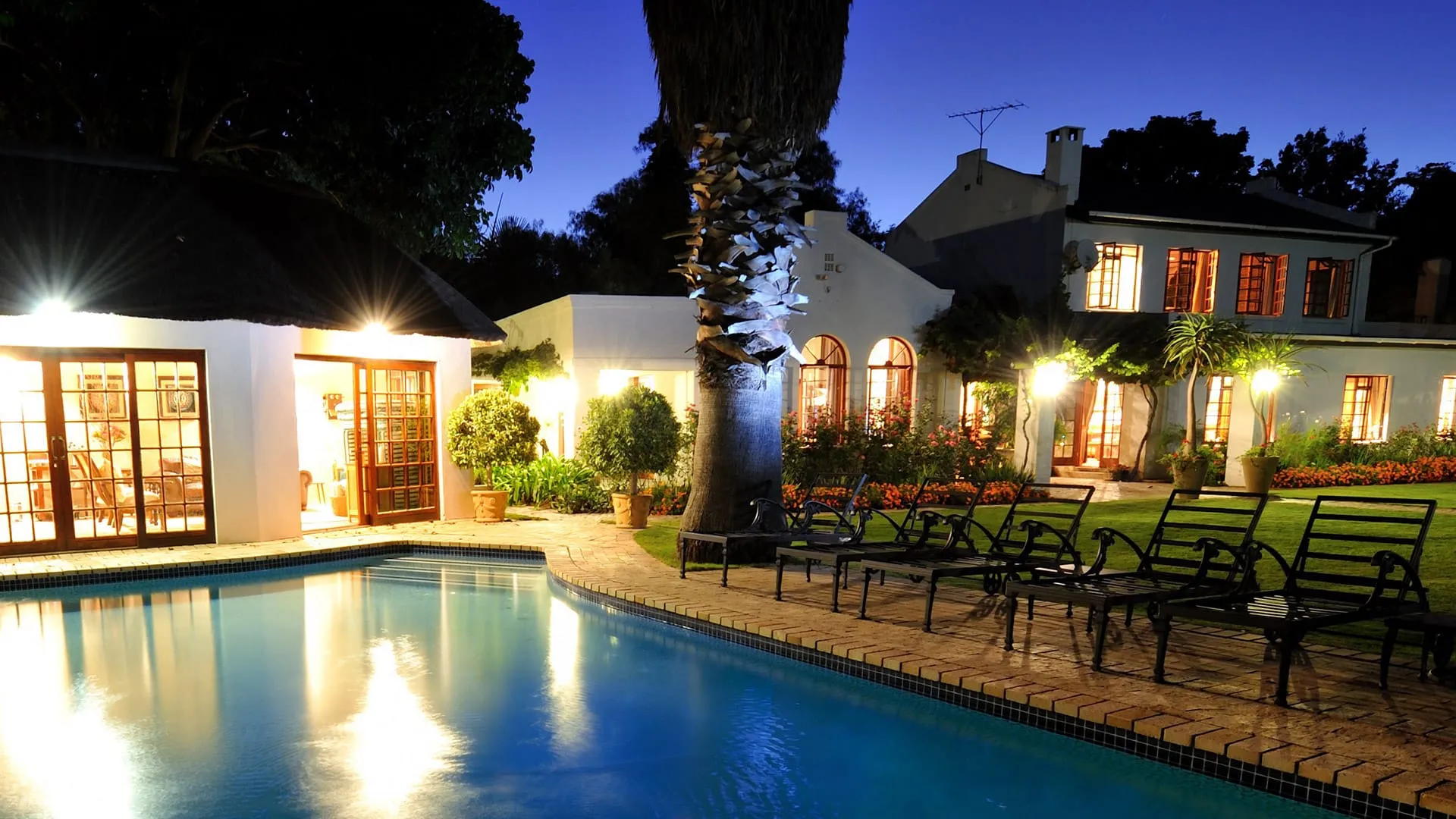
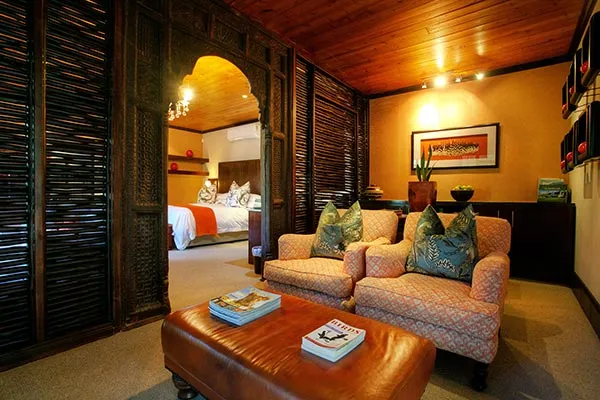
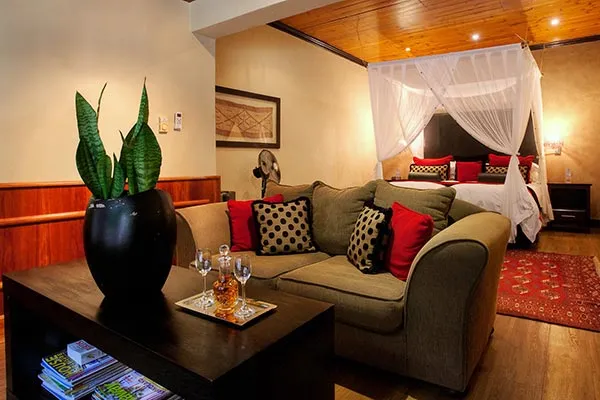
Woodall Country House & Spa is a 5-star boutique hotel on a working citrus farm, just 45 minutes from Port Elizabeth and 7 km from Addo Elephant National Park. This malaria-free accommodation suits nature lovers and food enthusiasts alike.
Woodall Country House & Spa
R 6,360
About Depus
Depus sits in the vast semi-arid landscape of the Eastern Cape interior, where the geology and sparse vegetation define the character of the region. The settlement serves primarily as a waypoint for travelers moving between the larger Karoo towns, with Graaff-Reinet approximately 60 kilometers to the northeast and Jansenville about 50 kilometers to the south. The surrounding area is typical of the Great Karoo, with flat-topped hills, rocky outcrops, and hardy shrubs adapted to the low rainfall and temperature extremes.
The region's economy centers on sheep farming, particularly Merino sheep raised for their wool. Visitors passing through will notice the characteristic Karoo farmsteads scattered across the landscape, with their windmills and stone kraals. The area experiences hot summers and cold winters, with most rainfall occurring during late summer months. This climate has shaped both the natural environment and the farming practices that have sustained communities here for generations.
Those seeking Depus accommodation will find limited options in the settlement itself, though nearby farms occasionally offer guesthouse facilities or self-catering cottages. The area appeals to travelers interested in experiencing the solitude and open spaces of the Karoo rather than conventional tourist attractions. Graaff-Reinet, with its well-preserved Cape Dutch architecture and proximity to the Valley of Desolation, provides more extensive accommodation choices for those using Depus as a base for exploration.
The night skies in this sparsely populated region offer excellent stargazing opportunities, with minimal light pollution revealing the Milky Way in exceptional clarity. Birdwatchers may spot Karoo specialties including the Karoo korhaan and various lark species adapted to the arid conditions. The landscape itself tells a geological story spanning millions of years, with rock formations revealing ancient seabeds and fossil records.
Travelers should come prepared for the isolation and limited services typical of remote Karoo settlements. Mobile phone coverage can be unreliable, and the nearest fuel stations and shops are in Jansenville or Graaff-Reinet. This remoteness is precisely what draws certain visitors to the area, seeking respite from urban life and an authentic experience of South Africa's interior plateau.