


Horse Riding in De Kelders
Showing 1 - 1 of 1 results
From
R 3,390
Per night for two in May
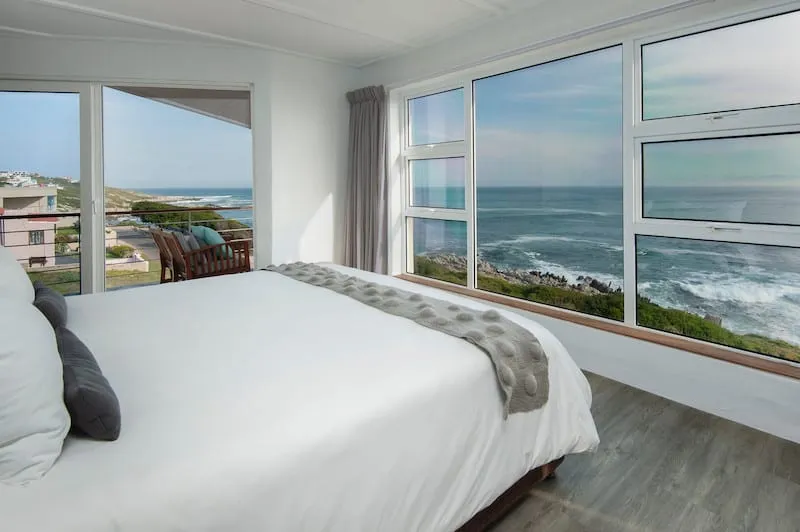
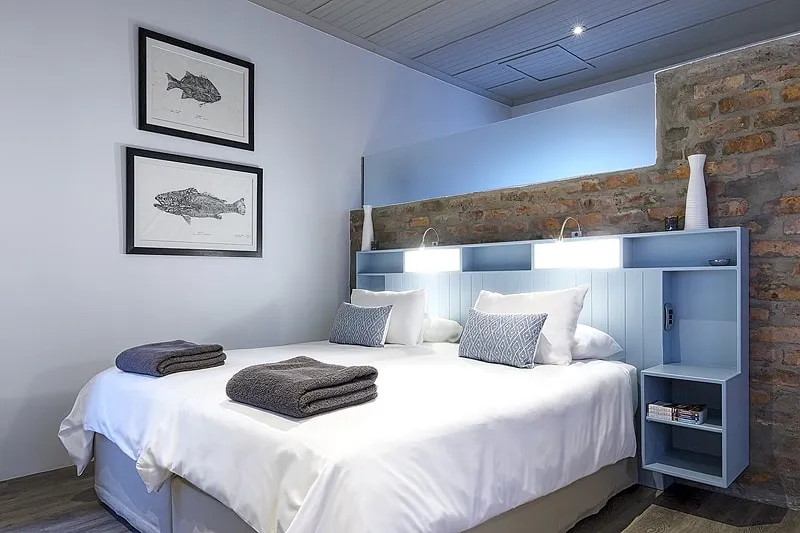
Whalesong Lodge is a boutique accommodation in De Kelders, Gansbaai, less than two hours from Cape Town. Established in 2005, the property has standard rooms, a honeymoon suite, and the Milkwood House extension overlooking Walker Bay.
Laundry Service
Hiking

Whalesong Lodge
Guest house
From
R 3,390
Per night for two in May
Laundry Service
Hiking
About De Kelders
De Kelders is a small coastal village on the eastern shore of Walker Bay, about 160 kilometres from Cape Town. It sits above a rocky shoreline known for some of the best land-based whale watching in South Africa, drawing visitors from June through December each year.
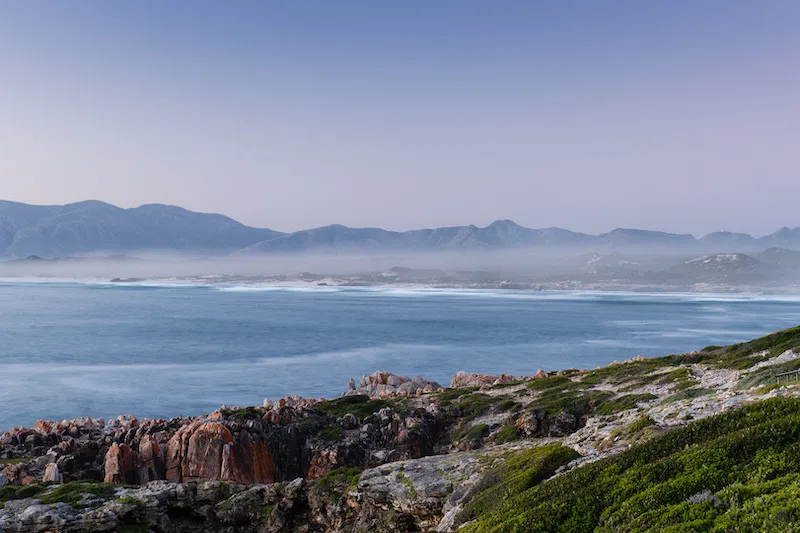
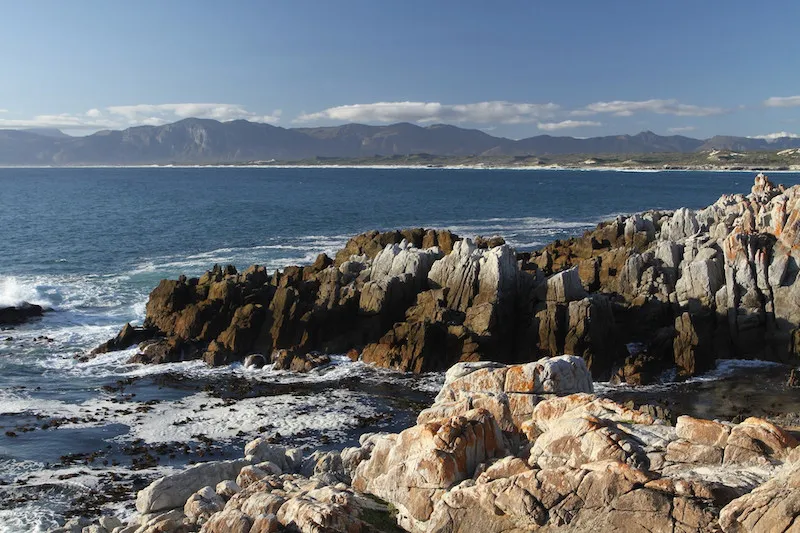
De Kelders sits within the Overstrand municipality in the Western Cape, a short drive from the town of Gansbaai. The village is quiet by design, with no commercial centre to speak of, and the appeal lies almost entirely in the natural environment. The limestone cliffs and rock pools along the shoreline are accessible on foot, and the fynbos-covered slopes behind the village fall within the broader Cape Floral Region, a UNESCO World Heritage Site.
The whale watching here is genuinely exceptional. Southern right whales enter Walker Bay between June and December to calve and nurse their young, and the cliffs at De Kelders provide elevated viewpoints where visitors can observe the whales at close range from land. On a good day it is possible to watch for hours without moving more than a few metres. The Walker Bay Nature Reserve, which borders the village, protects much of this coastline and the vegetation behind it.
Gansbaai, roughly 10 kilometres away, is the nearest town with shops, restaurants, and fuel. It is also the departure point for cage diving and shark watching tours at Dyer Island, where a large colony of African penguins lives alongside Cape fur seals. The channel between Dyer Island and Geyser Rock, known as Shark Alley, has made this stretch of coast internationally known among wildlife travellers.
Hermanus is about 30 kilometres to the west along the R43 and offers more in the way of restaurants, a Saturday market, and the annual Hermanus Whale Festival held in September. Many visitors use De Kelders accommodation as a quieter base and drive into Hermanus for an afternoon or evening.
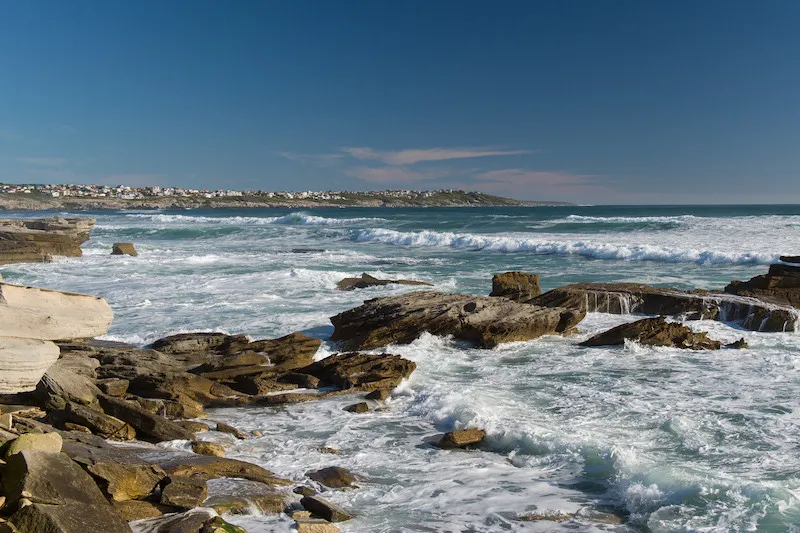
The rock pools at De Kelders are worth exploring at low tide. The cave system that gives the village its name, which translates roughly as "the cellars" in Afrikaans, is accessible along the shoreline and has archaeological significance, with evidence of human habitation dating back tens of thousands of years. The area is not heavily developed, and that has kept the landscape largely intact.
De Kelders sits within the Overstrand municipality in the Western Cape, a short drive from the town of Gansbaai. The village is quiet by design, with no commercial centre to speak of, and the appeal lies almost entirely in the natural environment. The limestone cliffs and rock pools along the shoreline are accessible on foot, and the fynbos-covered slopes behind the village fall within the broader Cape Floral Region, a UNESCO World Heritage Site.
The whale watching here is genuinely exceptional. Southern right whales enter Walker Bay between June and December to calve and nurse their young, and the cliffs at De Kelders provide elevated viewpoints where visitors can observe the whales at close range from land. On a good day it is possible to watch for hours without moving more than a few metres. The Walker Bay Nature Reserve, which borders the village, protects much of this coastline and the vegetation behind it.
Gansbaai, roughly 10 kilometres away, is the nearest town with shops, restaurants, and fuel. It is also the departure point for cage diving and shark watching tours at Dyer Island, where a large colony of African penguins lives alongside Cape fur seals. The channel between Dyer Island and Geyser Rock, known as Shark Alley, has made this stretch of coast internationally known among wildlife travellers.
Hermanus is about 30 kilometres to the west along the R43 and offers more in the way of restaurants, a Saturday market, and the annual Hermanus Whale Festival held in September. Many visitors use De Kelders accommodation as a quieter base and drive into Hermanus for an afternoon or evening.
The rock pools at De Kelders are worth exploring at low tide. The cave system that gives the village its name, which translates roughly as "the cellars" in Afrikaans, is accessible along the shoreline and has archaeological significance, with evidence of human habitation dating back tens of thousands of years. The area is not heavily developed, and that has kept the landscape largely intact.